

Sold as:

from £6.99

Sold as:
from £19.99
 5 Star Service Rating




 Secure, One-Tap Checkout
 5 Star Feefo Rating
 Hand Picked, Delivered to Your Door!
 1 Year Bareroot Guarantee
 Platinum Trusted Service Award 2026
 Mail Order Plant Experts - Est. 1949





Prunus subhirtella Autumnalis Rosea, or Rosebud Cherry,is the pink version of the Winter flowering cherry tree.
The dark pink buds that open into pastel pink flowers from late October to February. The small leaves are bronze in spring, turning green in summer and gold in autumn. It's best to plant this tree beside a path or seated area, where it can be admired up close. The small, bitter fruit attract birds.
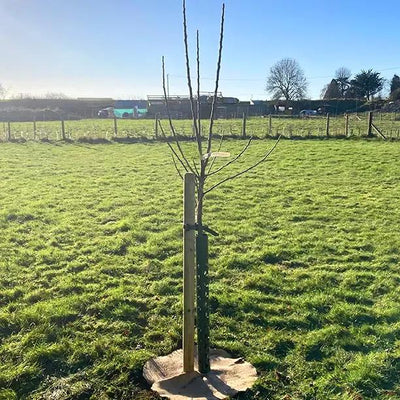
It's a petite, slender tree with an elegant, open form, lots of thin twigs and light branches that cast very little shade, so it's a really useful tree to plant in a border because they won't block much sun from reaching your other plants. It's suitable for a small garden, reaching up to 7 metres.
Browse our range of cherry blossom trees or all our garden trees.
Delivery season: Cherry blossom trees are delivered bareroot during late autumn and winter, approximately November-March inclusive.
Choosing a size: Small trees are cheaper, easier to handle and more forgiving of less than ideal aftercare, so they're best for a big planting project. If instant impact is your priority, or if you are only buying a few plants for use in a place where it's convenient to water them well in their first year, then you may as well use bigger ones. All our bareroot trees are measured by their height in centimetres above the ground (the roots aren't measured).
It'll grow on most well drained soils, preferably rich ones, and although it's a hardy tree, we recommend planting it in sheltered, sunny places, where it'll flower best.
Standard trees are measured by their girth in centimetres 1 metre above ground level: their trunk's waist measurement. Unlike sapling trees and hedge plants, standards aren't measured by their height, which will vary quite a bit both between and within species.
So, a 6/8cm standard tree has a trunk with a circumference of 6-8cm and an 8/10 standard has a trunk 8-10cm around. This measurement makes no difference to the tree's final height.
On average, standard trees are 2-3.5 metres tall when they arrive, but we cannot tell you precisely how tall your trees will be before we deliver them.






 Sign In
 Saved items