


Sold as:

from £6.99

Sold as:
from £19.99
 5 Star Service Rating




 Secure, One-Tap Checkout
 5 Star Feefo Rating
 Hand Picked, Delivered to Your Door!
 1 Year Bareroot Guarantee
 Platinum Trusted Service Award 2026
 Mail Order Plant Experts - Est. 1949
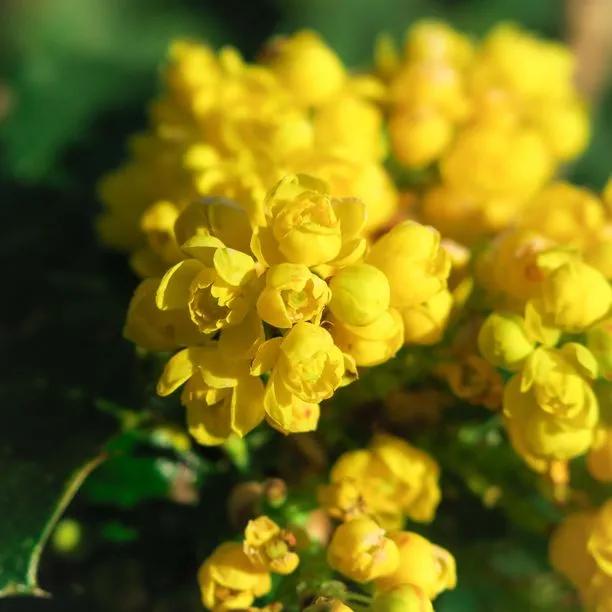
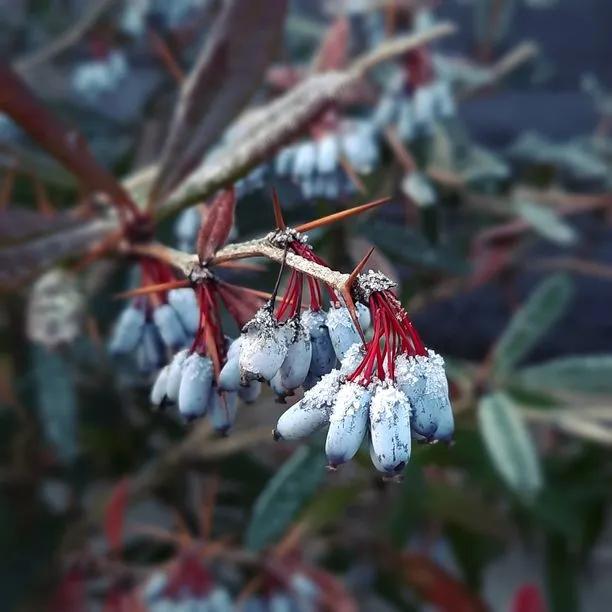





Berberis julianae, known as Wintergreen, Chinese, or Julia's Barberry, is a dense, seriously spiny shrub that makes a strong, impenetrable hedge of up to 3m.
Its new spring leaves unfurl in copper shades amongst yellow flowers, which ripen into black berries.
The evergreen leaves mature to dark green in summer, then turn warm ruddy red late Autumn.
The dense growth and long spines make an excellent intruder-proof hedge.
Barberries will grow well in sun or partial shade but you'll get the best flowers and berries in a sunny position.
They're great for exposed or seaside gardens, and for polluted inner city sites.
A secure hedging plant with year round interest is rare, your other options that fit that bill are pretty much Berberis darwinii, and Pyracanthas.
Its yellow spring flowers, copper-tinted young leaves, and pleasant autumn foliage colours that kick in when the last herbaceous perennials are dying back and then last all winter all make it an excellent evergreen backdrop to any flower border.
It's a great plant for wildlife gardens:
A native of Central China, this is one of the hardiest barberries, tolerating temperatures as low as -15C.
This species was brought to Britain from China by the prolific plant collector Ernest H Wilson in 1900. It was named by the German botanist Camillo Schneider (1876-1951), after his wife, Julia.
Herr Schneider should have gone down in history as the 20th century's greatest Berberis scholar, but his life's academic work and manuscripts were destroyed by Allied bombing in 1943.




 Sign In
 Saved items