Sold as:

from £6.99



Sold as:
from £19.99
 5 Star Service Rating




 Secure, One-Tap Checkout
 5 Star Feefo Rating
 Hand Picked, Delivered to Your Door!
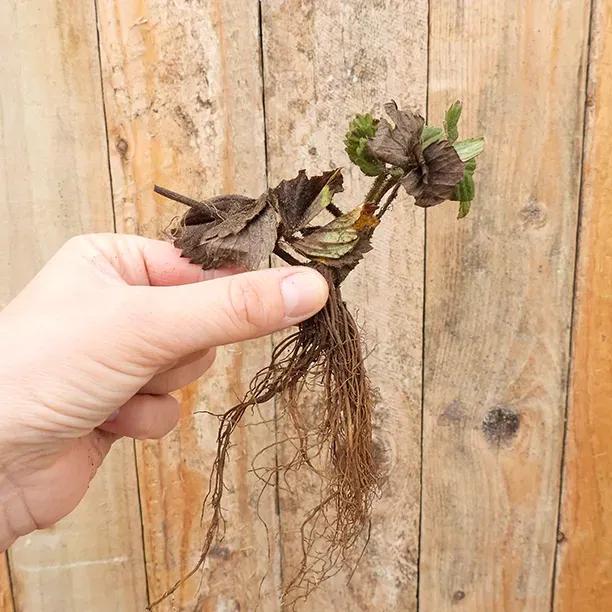
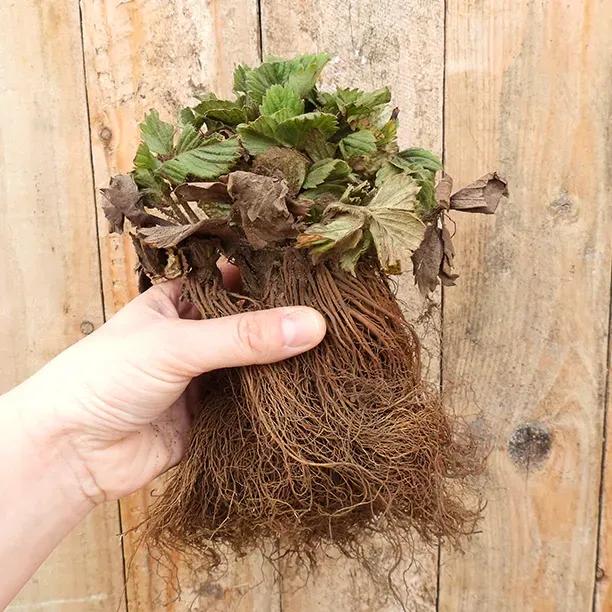
 1 Year Bareroot Guarantee
 Platinum Trusted Service Award 2026
 Mail Order Plant Experts - Est. 1949


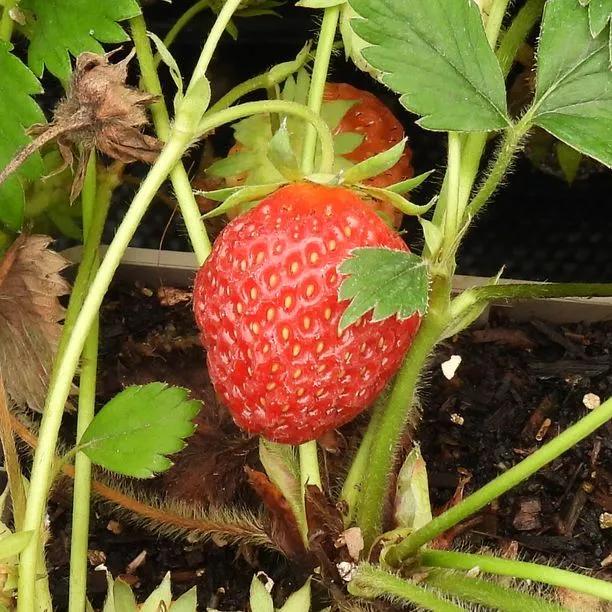
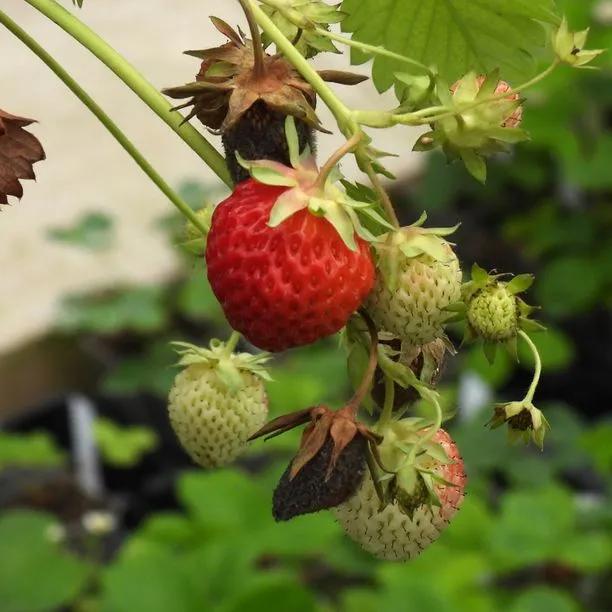




Cambridge Favourite is rightly named - it's still the number one strawberry for planting on pick your own farms and no market stall selling soft fruit's without them. It's a very reliable plant and one of the best choices for poorer planting conditions.
The fruit are a decent size, with a rich flavour.It's one of the most common fruit for making jam commercially.
Browse our variety of strawberry plants or see our full range of soft fruit bushes.
You can bring the harvest forward by covering your plants, but we find that the best crops come later from plants left in the open.
All strawberries will do best in full sun, but this is the best red one to use if you are stuck with some shade.
Read our detailed information on how to grow Strawberries here.
A modern British variety, bred by the famous National Institute of Agricultural Botany, NIAB, at its East Malling research centre in Kent in the 1930s & 40s.
World War 2 history buffs might be interested to know that NIAB sold its strawberry breeding programme to Bayer, which was one of IG Farben's founding companies, in 2023.
The original Cambridge series included the 'Cambridge Late Pine' and 'Cambridge Vigour', which were superb in their day, but have since fallen out of favour due to their disease susceptibility.


 Sign In
 Saved items