


Sold as:

from £6.99

Sold as:
from £19.99
 5 Star Service Rating




 Secure, One-Tap Checkout
 5 Star Feefo Rating
 Hand Picked, Delivered to Your Door!
 1 Year Bareroot Guarantee
 Platinum Trusted Service Award 2026
 Mail Order Plant Experts - Est. 1949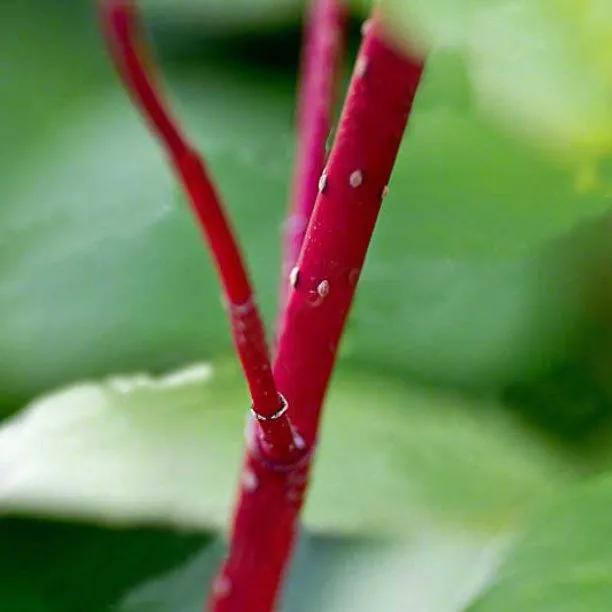





Cornus alba Gouchaultii is a vigorous shrub with coloured young bark and variegated leaves. Dogwoods are popular because they're fast growing, happy in almost any soil and have a great winter colour. Gouchaultii boasts all of those qualities and adds to them with its variegated, pink-tinged foliage. With large, wrinkled leaves that have margins ranging in colour from cream to yellow and random wine coloured splashes, this is possibly the most interesting dogwood to look at during the summer months. If left unpruned, it'll produce small white flowers from May to June, which develop into pretty white berries that are sometimes shot with blue, like a mature cheese. However, it's the shiny red bark, rather than the flowers and fruit, that is of interest to most gardeners. Few plants can light up a winter scene like dogwood, once their leaves have fallen. They can be used to great effect dotted around the garden or in big clumps and go well beside a pond or river. Cornus alba Gouchaultii will reach 2-3 metres.
See our selection of dogwood hedging and shrubs
Cornus alba Gouchaultii plants are delivered bareroot during winter (Nov-April). All our hedge plants are measured by their height in centimetres above the ground (the roots don't count...).
These plants hail from the lands between Siberia and North Korea. This particular variety was bred in the 1880's. It's one of the best dogwoods for frost pockets and cold areas.




 Sign In
 Saved items