Sold as:

from £6.99

Sold as:
from £19.99
 5 Star Service Rating




 Secure, One-Tap Checkout
 5 Star Feefo Rating
 Hand Picked, Delivered to Your Door!
 1 Year Bareroot Guarantee
 Platinum Trusted Service Award 2026
 Mail Order Plant Experts - Est. 1949


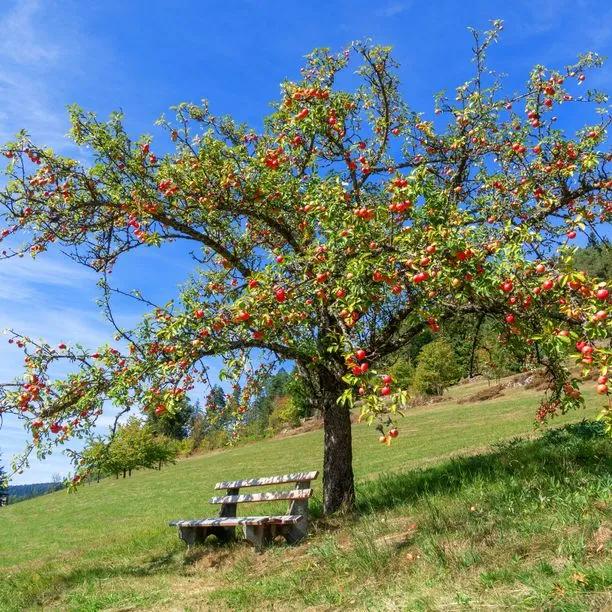
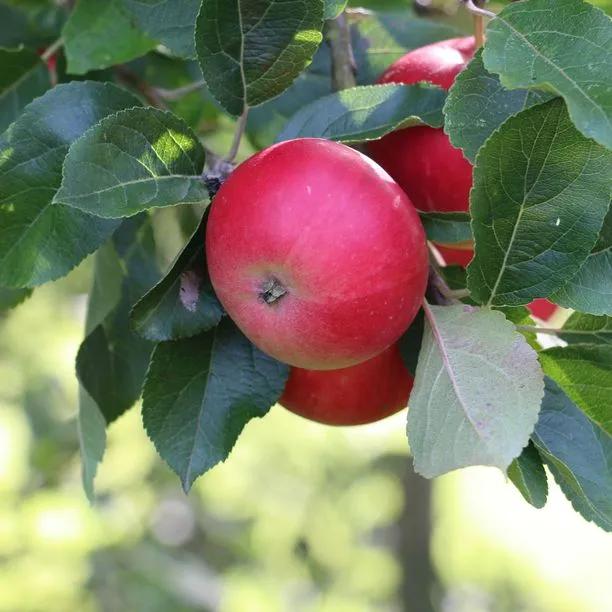
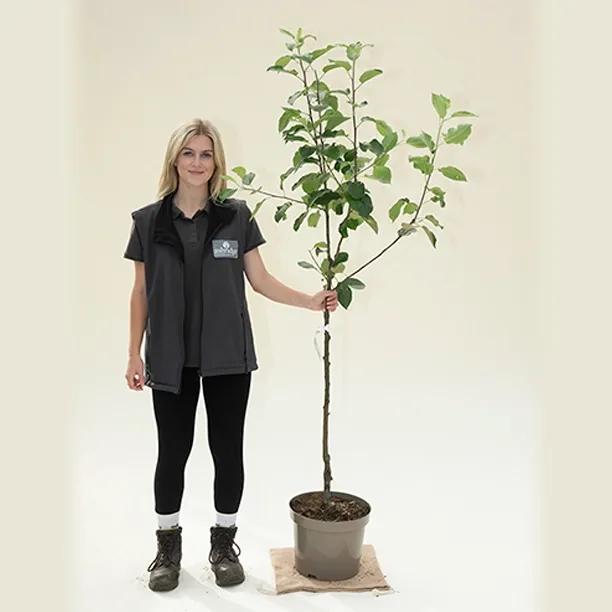
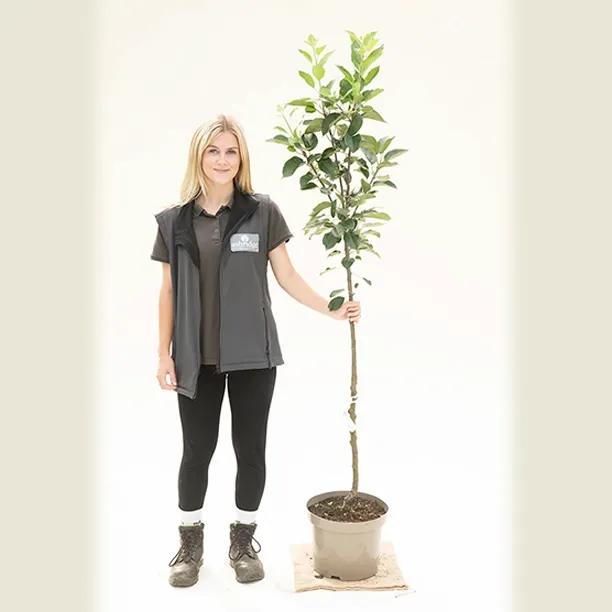
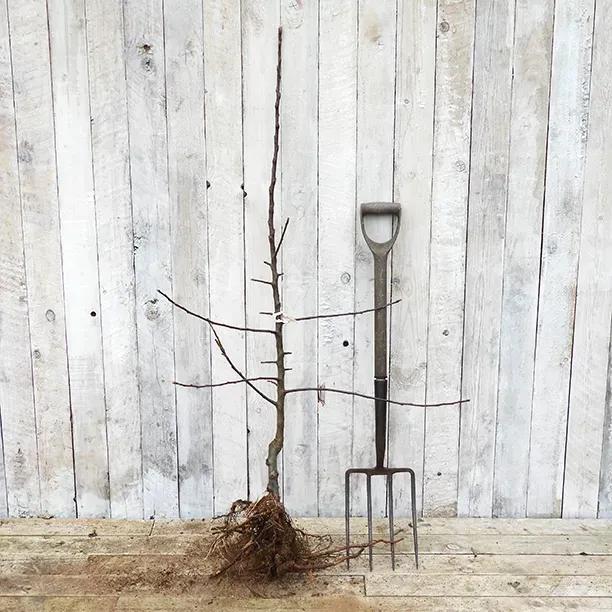
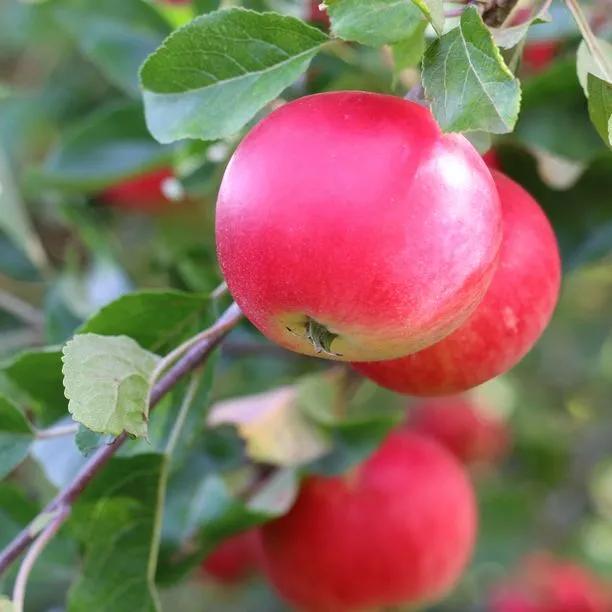




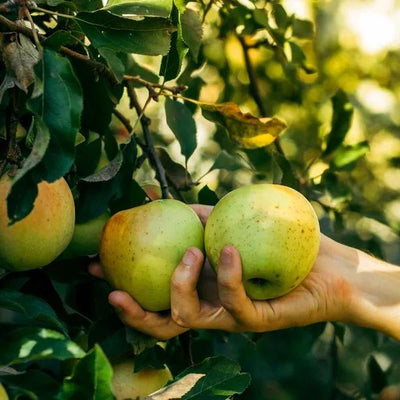
The Discovery apple tree produces an early season eating apple.
Along with Beauty of Bath, this special apple is one of our favourite early cropping varieties. It has excellent texture and flavour: crisp, juicy and sweet. The taste is light, with a dash of fruity, strawberry like aromas and it's lovely when it's eaten from the fridge on a hot day. It's a pale yellow-green colour, ripening to red where the sun hits it.
Like most early season apples, Discovery doesn't store well, so we suggest that you estimate how many of them you'll eat in about 2 weeks and press the rest into juice to refrigerate or freeze.
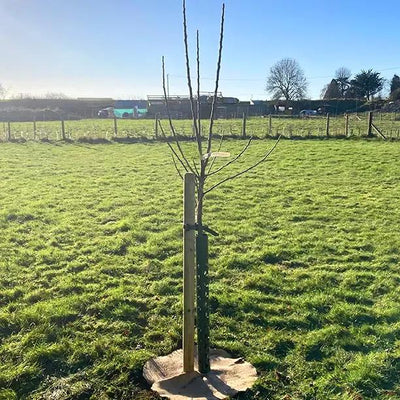
The tree's compact size makes it ideal for smaller gardens. It's often slow to start its cropping life, but mature trees produce reliable yields.
Browse our range of apple trees, or all our fruit trees.
Read our guide to buying apples.
Delivery season: Bareroot plants are delivered in late Autumn to Spring, about November-March inclusive. Pot grown plants, year round.
Apples like rich, well drained soil, and will thrive on clay in locations that do not get waterlogged in winter.
A full day of sun and shelter from the wind is ideal.
Rootstocks:
We use MM106 for Discovery, the UK standard for medium-sized trees, ideal for gardeners. It gives a half-standard about 4m tall, and a bush about 3m.
MM106 maidens are suitable for cordons and espaliers, but we use the less vigorous M9 for our ready-made cordons, and M26 for bushes unless otherwise noted.
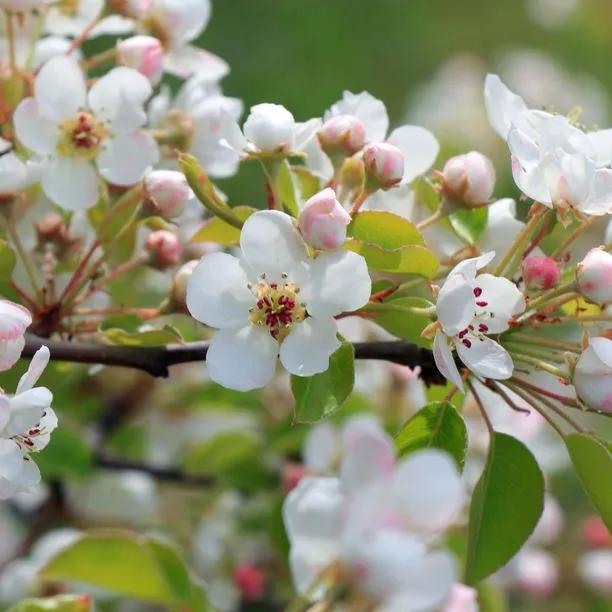
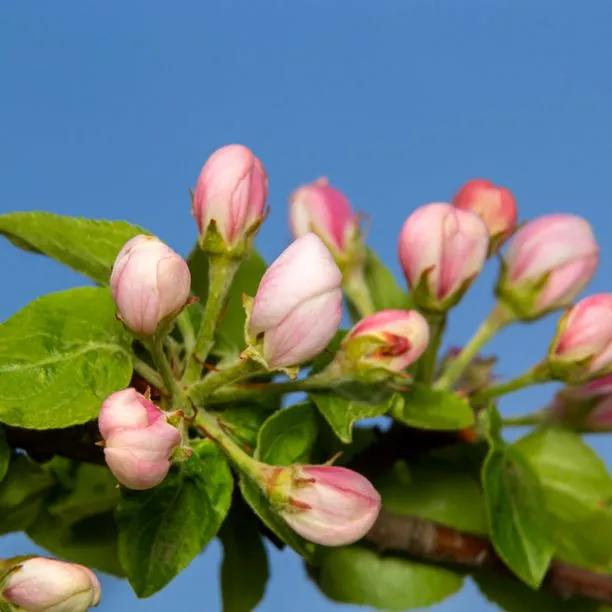
This tree is potentially suitable for organic growing in the more humid West and South of Britain, where scab and canker are more common. It's recommended for the North & Scotland because of its frost resistant flowers.
Disease notes:
Disease resistance: Scab
Prone to spider mite.
Your trees are self sterile and their flowers must be pollinated to make fruit.
Discovery is in Pollination Group C, which cross-pollinates with other apple trees in Groups B, C and D.
Use our Fruit Pollination Checker to quickly find pollination partners, or Apple Tree Pollination Guide to learn more.








 Sign In
 Saved items