

Sold as:

from £6.99
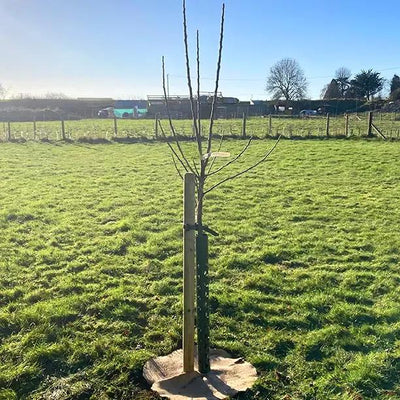

Sold as:
from £19.99
 5 Star Service Rating




 Secure, One-Tap Checkout
 5 Star Feefo Rating
 Hand Picked, Delivered to Your Door!
 1 Year Bareroot Guarantee
 Platinum Trusted Service Award 2026
 Mail Order Plant Experts - Est. 1949

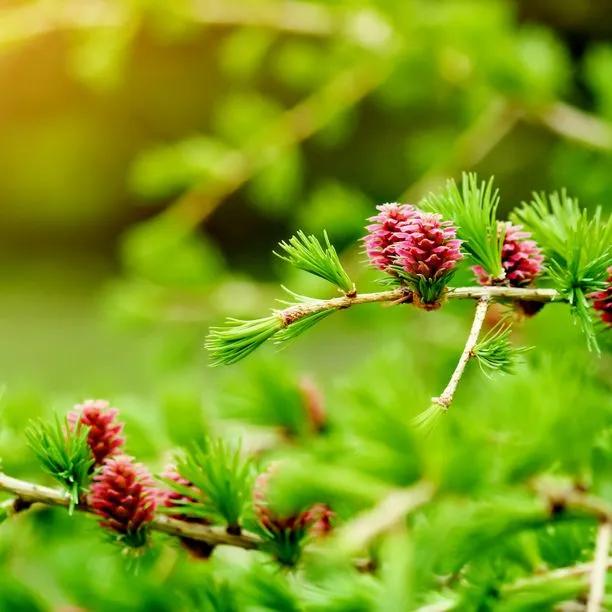
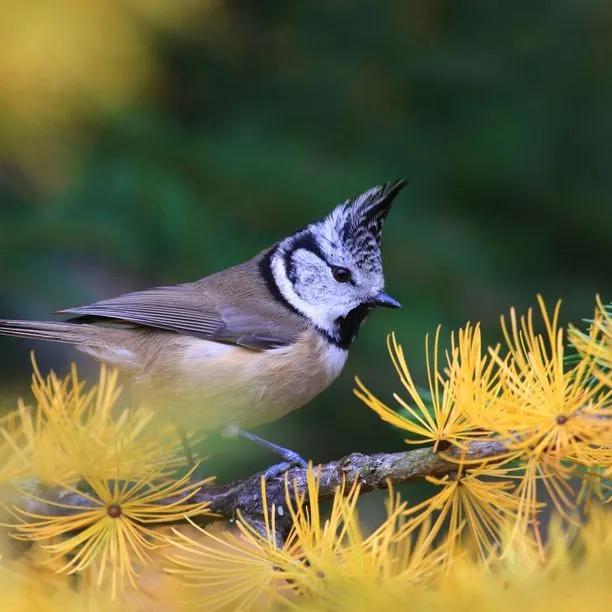




The European Larch tree, Larix decidua, is a deciduous conifer, a large, graceful specimen tree that looks lovely in early spring, when the first new leaves and bright little pink-red female cones appear at the same time. The needles are richly scented and turn rusty orange in the autumn.
Mature trees produce large numbers of miniature cones with seeds that feed several bird species, and the thick, scaly bark is good for insects. The old cones stay firmly on the branches for several years, which is handy for making Christmas wreaths.
To 30-35 metres with a very narrow habit with young, spreading to a pyramid.
You can also buy Japanese Larch to create a wild looking group of trees.
Browse our large garden trees, or all of our trees.
Delivery season: Larch trees are delivered bareroot during late autumn and winter, approximately November-March inclusive.
Choosing a size: Small trees are cheaper, easier to handle and more forgiving of less than ideal aftercare, so they're best for a big planting project. If instant impact is your priority, or if you are only buying a few plants for use in a place where it's convenient to water them well in their first year, then you may as well use bigger ones. All our bareroot trees are measured by their height in centimetres above the ground (the roots aren't measured).
Wet sites or chalky soil aren't suitable. Larches are vigorous, light hungry trees that will shed old, low down branches if they're in the shade too much.
Your trees can reach 45 metres, but about 30 metres is the norm.
European larches of Alpine origin seem to be susceptible to canker and have been replaced in production with other strains of the species from parts of Europe where resistance is high, including trees in Scotland who came from Germany originally.


 Sign In
 Saved items