Sold as:

from £6.99



Sold as:
from £19.99
 5 Star Service Rating




 Secure, One-Tap Checkout
 5 Star Feefo Rating
 Hand Picked, Delivered to Your Door!
 1 Year Bareroot Guarantee
 Platinum Trusted Service Award 2026
 Mail Order Plant Experts - Est. 1949
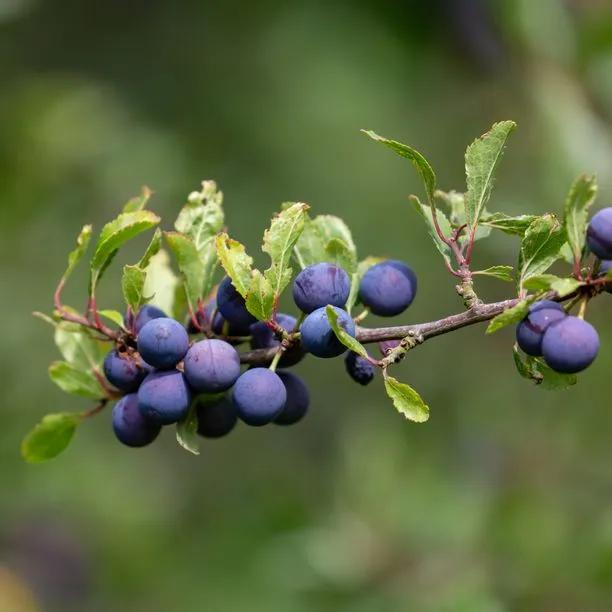
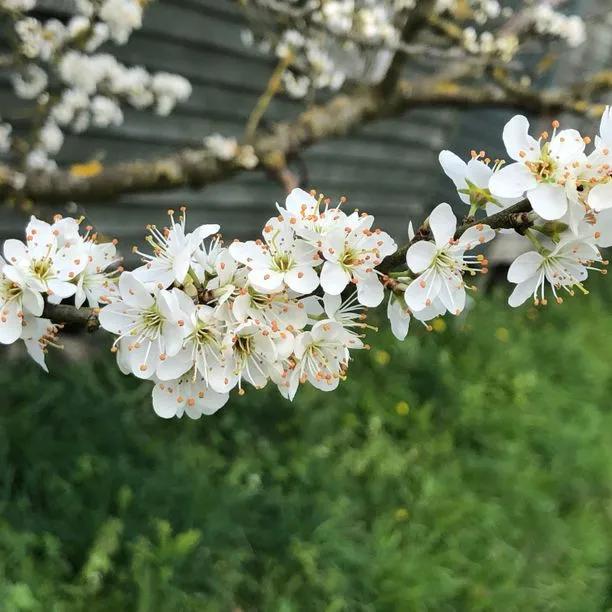




'Farleigh Damson' is a good solid damson tree, and we recommend it especially for the small garden due to its naturally compact growth. The near-black fruit are smaller than some but the crops are so big that, overall, you end up with the same weight of fruit as you would with any other damson. It's reliably self fertile, but the crop will still be improved by cross-pollination with another plum, damson or gage tree.
It's a spiky tree with sharp spurs and so makes an ideal screening tree next to a secure hedge as well!
Browse our range of plum & damson trees or the full variety of fruit trees.
Damsons are very hardy trees and will do well anywhere in Britain.
Rich soil is important - dig in plenty of good manure and compost before planting.
Soil drainage must be good.
The more sun your trees get the better your crops will be.
Farleigh Damson Rootstocks:
Please note that our 2 year old half standard trees and our one year old maiden trees are on St Julien A rootstocks, whilst our two year old bush size trees are on a Pixy rootstock.This is perfect for wire-trained shapes like fans and it can also make a freestanding tree 3 metres high.
Pollination Partners for Farleigh Damson:
Your trees will make better crops when they're pollinated, but it's not essential. Your trees are in pollination group D, which means that they'll cross pollinate with trees in groups C, D and E of our plum tree pollination table.
Details about delivery sizes: Guide to Fruit Tree Sizing.
Your trees originally come from Kent in the early 1800's. They were raised from a seedling of unknown, possibly wild, origin by Mr James Crittenden from Farleigh. The Langley Bullace was bred from this tree.









 Sign In
 Saved items