
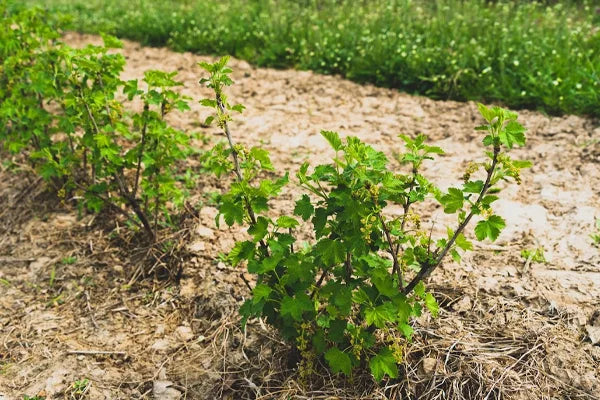
How to Grow Blackcurrants Bushes
Blackcurrants are simple to grow, and the pruning regime is a bit different from pruning Red & Whitecurrants.
Currants are one of the few soft fruit bushes to like damp soil next to water, and they respond to dappled shade by making smaller crops rather than inferior fruit.
Along with their close relatives gooseberries, they are the go-to understory plant for food forest planting schemes.
Still, in the North & Scotland, a sheltered and sunny position is recommended.
They thrive in pots where they are well-fed and never dry out.
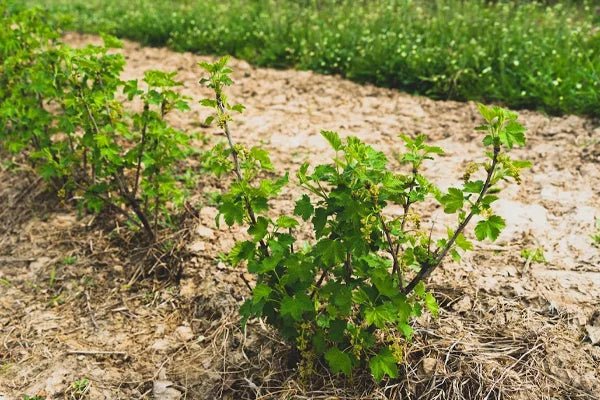
Basic Blackcurrant Growing Principles:
Blackcurrants
- Fruit well on two and three-year-old stems, which then become quite unproductive in their fourth year.
- Produce new stems when you prune out some of a mature plant’s best performing 2/3-year-old stems.
- Are mostly prone to fruit splitting if the top layer of soil drys out in the heat
- Cannot realistically be overwatered in most garden soils in their first year: they love a lot of moisture when they are settling in
Pruning New Blackcurrant Bushes
- After Planting: Cut all the stems down to about 2.5 inches. This is to encourage bushier growth from the base in year one, making a solid foundation. If you were planting pot grown plants in summer, you would leave them to grow as they were until winter, then snip the top/s off to encourage bushiness and still get fruit the next year.
- Year One: Have a cup of tea and wait. Mulch as necessary to prevent the top six inches of topsoil from drying out in summer, but at this stage it is better to use low fertility mulch material to encourage downward & outward root development.
-
Feb-March of Year two: Apply the fertiliser you like in a good amount, following their instructions or your own.
Wait for a month and apply one ounce of sulphate of ammonia for about a square metre around the base of the plants.
Enjoy the summer fruits by July! - Winter of Year Two: Go over the stems, pruning out all the very small and weedy, the rubbing, the hanging, the broken and the diseased.
Pruning plants that are 3 years and older
- Remove about 30-40%ish of the bush from the oldest, most darkly coloured stems. Remove more on unkempt, congested plants.
- Cut them back to one of the lowest outward facing buds. Next, cut all sideshoots off each remaining stem, so that they don’t bend and latch onto other stems.
- Always pick out weak, badly placed or poorly looking stems on sight.
“Happily ever after” with a blackcurrant bush should be about 15 years in most conditions before it should be replaced, so propagate new ones every decade to have mature plants on time. Pay attention to both the yield and the fruit diameter to decide when a plant is on the decline.
Plants in their prime will produce 8-12lbs / 3.5 – 5.5kg of fruit each year.
Difference Between Pruning Blackcurrants and Other Currants
The main difference is that blackcurrant stems are pruned out at the base, whereas red & whitecurrant stems are maintained in a long term framework.
Harvesting Blackcurrants
You’ll see them darken and taste sweet when they are ripe, use scissors to cut them off.
When harvesting, you can also do most of the pruning: cut out some of the most heavily fruited stems, starting with the innermost, and take them somewhere comfortable to be stripped: mopping up the rest on the bush is now easier.
Your plants will often need action against aphids on their juicy new growth,and a bird net is essential in most areas – some places have a lot of cats.


Leave a Reply