Sold as:

from £6.99

Sold as:
from £19.99
 5 Star Service Rating




 Secure, One-Tap Checkout
 5 Star Feefo Rating
 Hand Picked, Delivered to Your Door!
 1 Year Bareroot Guarantee
 Platinum Trusted Service Award 2026
 Mail Order Plant Experts - Est. 1949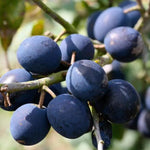

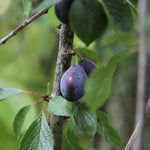





On the whole, damsons are too acidic to be eaten fresh. Bradley's King Damson could indeed be the rightful King of the Damsons; not only is the fruit large and bright purple, it's also a bit sweeter than other damsons and some brave people say they like it raw. For most of us, King Damsons are still at their best when made into jams and preserves or used in your favourite fruit pudding.
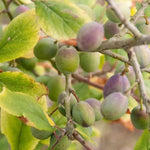
This is a heavily cropping damson tree - from September onwards so it also does well in Northern England. To round off its merits, King Damsons have more tolerance to damp soil than other varieties of damson.
Please remember that thinning damsons shortly after the fruits have formed improves their flavour, ensures the tree's branches do not break under the weight of the ripe crop later, and it also means you will get consistent crops every year.
Browse our range of plum & damson trees or the full variety of fruit trees.
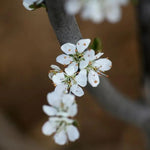
King Damson - which produces white flowers in late April is reliably self-fertile and will do very well by itself. A pollination partner, while not necessary, can improve the quality of the fruit a little.
Damsons have been here for so long that they're quite hardy in the British climate. However, they're still essentially plum trees, like the same care and are prone to the same ailments. The main thing to remember is that they should only be pruned in summer.
All damsons are on St Julien A rootstocks.









 Sign In
 Saved items