
New Hedges: Spring-Summer Checklist
Browse all of our Hedging Plants here.
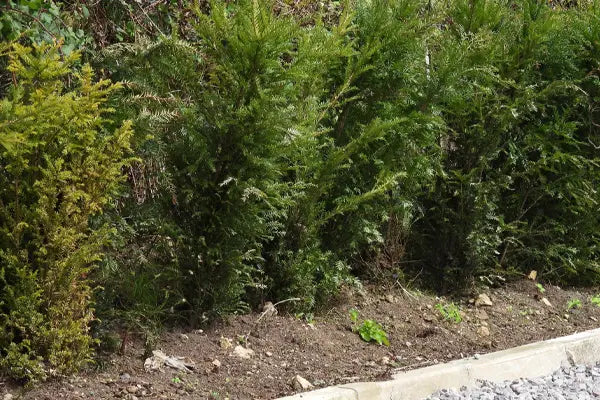
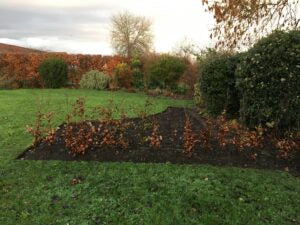
This advice is for new hedges that were planted bareroot in winter or from pot-grown plants during the rest of the year.

Checklist Summary:
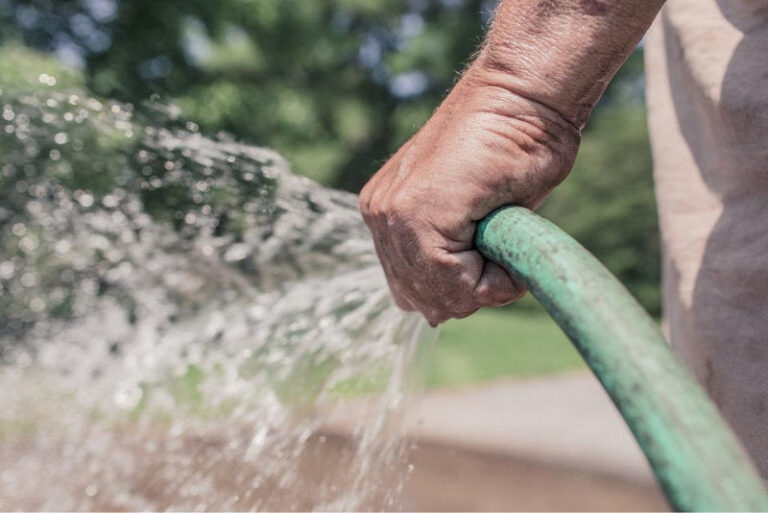
- Water your new hedge regularly or it will die!
- Destroy weeds & grasses with a hoe for about 50cms on either side.
- Firm the soil back down if your plants are pushed around by the wind.
- Protect the hedge with a windbreak if necessary.
- Use a mulch around the hedge in mid spring, when the soil is moist.
- Be patient. Do not worry if the leaves appear late, look quite small or even drop off. This is natural.
Notes:Watering your plants is the most important thing.
Their roots need time to grow deep enough to survive when the top layer of soil dries out.
We recommend using an irrigation system like a
leaky pipe if possible.
Otherwise, soak the soil around your plants twice a week in dry weather.
If you see your plants' leaves wilting, water them right away.
Do not water your plants every day.
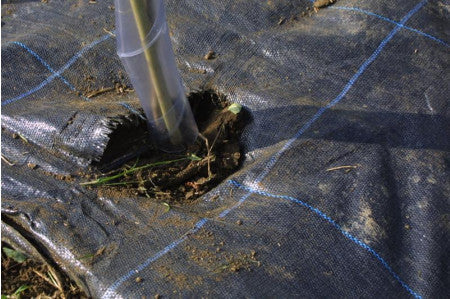
If your soil is very dry or if watering is difficult, we strongly recommend using
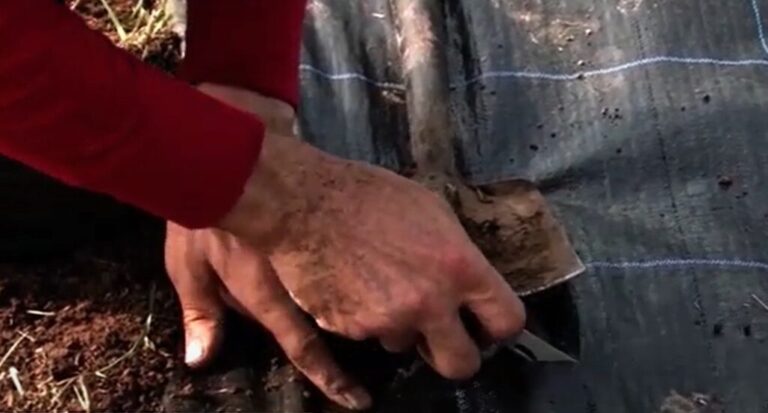
mulch fabric.
Larger hedge plants can be blown over by the wind.
A temporary
windbreak, made from fine mesh held up with stakes, is sometimes necessary on the side facing the prevailing wind.
Your new hedge is putting all its energy into
growing new roots. The leaves might appear very late and evergreens may shed their leaves.
These are normal, natural reactions to being re-planted that protect the plants from drying out while their roots settle in.
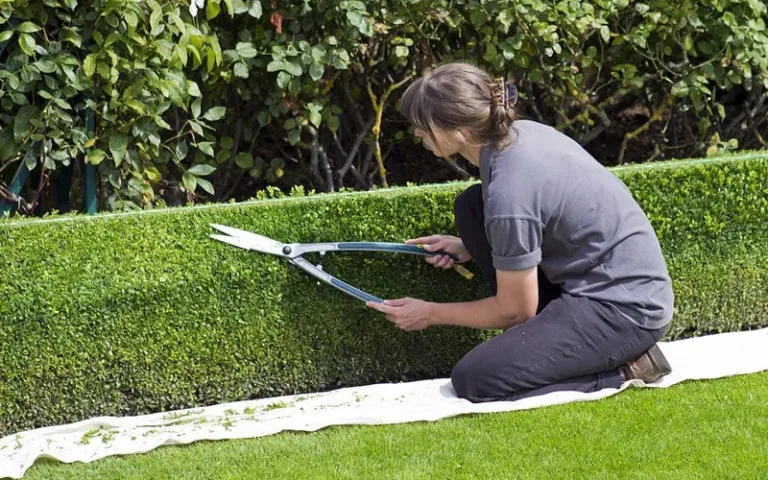
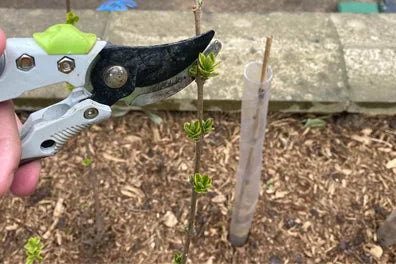
Trimming new plants:Bareroot hedging is lightly trimmed right after planting, although this isn't always necessary for evergreen plants.
From April onwards, it's best to wait until the winter to trim new hedging plants.
You can trim new hedging in spring & summer if you like, but we think winter is definitely the best time.