


Sold as:

from £6.99

Sold as:
from £19.99
 5 Star Service Rating




 Secure, One-Tap Checkout
 5 Star Feefo Rating
 Hand Picked, Delivered to Your Door!
 1 Year Bareroot Guarantee
 Platinum Trusted Service Award 2026
 Mail Order Plant Experts - Est. 1949
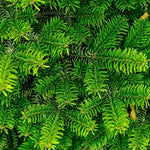





The Common Norway Spruce, Picea abies, is what most people call the traditional Christmas tree, although the "non-drop" Nordmann fir has become popular. When it's grown out in the open, with full sun, it'll take a classic Christmas tree shape, with a broad base of spreading branches close to the ground and a gently tapering shape towards the top. It decorates itself with quite long, cigar shaped cones that hang down from the branches.
If it's grown in a forest situation, it'll lose its lowest branches as they're shaded out and concentrate on growing straight up. Eventually, it'll become a tall, slender tree to 40 metres with a clear trunk for over half its height and quite a small, narrow canopy.
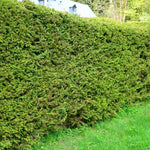
But when clipped as a hedge, it makes an excellent windbreak.
You can also buy Blue Spruce for more ornamental foliage.
Browse our other evergreens, or our full range hedging and saplings.
Delivery season: Spruce are delivered bareroot during late autumn and winter, approximately November-April inclusive.
Chalky soil isn't suitable. Your trees will grow in any soil type that is fairly moist and fertile. When the trees are young, they'll tolerate quite a lot of shade and simply grow slowly, working their way into the light. Exposed, windy locations are fine.


 Sign In
 Saved items