Home > Advice > Fruit Tree Guides > Fruit Tree Orchards - Locating

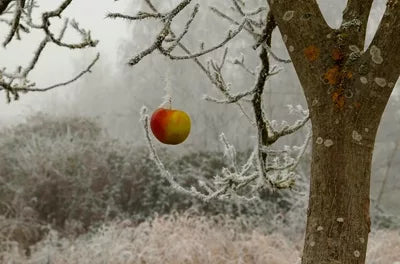
The single biggest enemy of fruit production is frost. Fruit trees flower relatively early and a late frost can wipe out your crop. Cold air is heavy and slides downhill so keep your orchard out of dips, valleys, hollows and sheltered flat ground. Because it is heavy it displaces warmer air so the warmest spots at night tend to be 100-300 feet above sea level on a slope away from the prevailing wind.
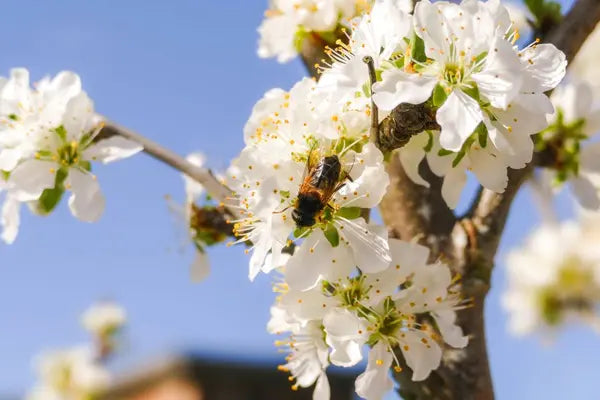
Paradoxically that warm, sunny southwest facing slope will get the prevailing wind (and gales) if it is not sheltered. Pollinating insects hate the wind. A sheltered north-east facing slope is better tham a wind blasted south-western one.
Slopes are great, but above 300 feet over sea level temperatures drop by 1 degree Farenheit for every 300 feet increase in altitude.Up to 600 feet on a sheltered slope is fine and there are successful orchards at 800 feet, but don't go any higher than that. Remember if you are planting high that wind shelter is essential and you may need to plant a windbreak to protect your trees and ensure pollination.
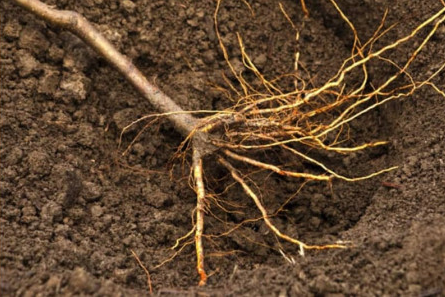
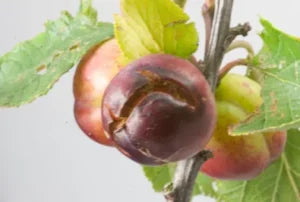
The soil does not need to be especially rich (although good soil helps). The number one soil requirement is that there is a combination of adequate drainage and sufficient moisture. The worst soil is potter's clay which, although rich, is under water all winter and brick hard all summer. Fruit tree roots need to breathe and at the same time they need access to water to help swell their fruit. Good soil texture helps moisture retention and prevents fruit splitting which is a classic sign of an uneven water supply.