DescriptionPlanting InstructionsAfter CareDelivery & Guarantee
Pin Oak Plants - Delivered by Mail Order from the Nursery with a 1 Year Guarantee
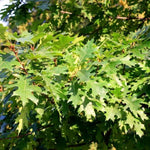
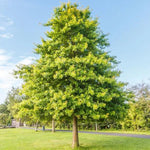
Pin Oak, Quercus palustris, is a big tree but not as spreading as other oaks. It is the best Oak for wet soils that are prone to winter flooding and it also thrives on heavy clay in built up urban areas.
Pin Oak is not suitable for a clipped hedge. It can be grown as a screening tree up to about 25 metres high. It is a good, tall windbreak tree.
The plants on this page are young saplings. You can also buy larger Pin Oak trees here.
Browse all of our other varieties of Oak here.
Pin Oak saplings are only delivered bareroot, during winter (Nov-March).
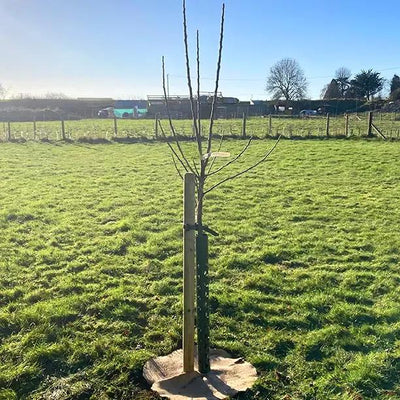
All of our young trees are measured by their height in centimetres above the ground (the roots aren't measured).
General description of Quercus palustris plants:
Pin Oak is more slender and elegant that our sturdy, stout native oaks, with a more conical canopy that makes it suitable for city planting where space is limited. It is a versatile tree that grows in most fertile soils, apart from chalk. Young trees will tolerate partial shade, as long as the tree will get more light as it grows upwards. It has good autumn colour: russet bronze flushed with deep orange.
History & uses of Quercus palustris
This North American tree was brought to Britain in 1800. It is a popular street tree and is widely planted in the USA and Australia. Pin Oak's common name may derive from the short twigs on its main branches, or from the hardwood nails that were made from its timber in the past. It is good firewood.
Notes on planting Pin Oak:
Pin Oak trees will grow best in damp or wet clay and sites next to water, but it is also suitable for dry soils if they are fertile. They are hardy and suitable for exposed locations, but constant cold wind will stunt their growth. Pin Oak prefers acidic soil. Young trees are tolerant of partial shade.
Pin Oak won't grow in full shade, on the coast or on chalk.
Prepare your site before planting:
It is good to dig over the area where you intend to plant several months in advance. Destroy the weeds first: nettles, brambles and ground elder are tough and a glyphosate based weed-killer is the best way to remove them. Then dig the soil over; remove rocks, roots and other rubbish. Mix in well rotted compost or manure down to the depth of about 2 spades.
If you have a heavy clay soil, it might be too difficult to dig over for most of the year. Heavy clay is fertile soil, so you don't really need to improve it; killing the weeds is still necessary.
Remember to water establishing plants during dry weather for at least a year after planting.
Planting accessories:
Prepare your site for planting by killing the weeds and grass with Roundup weed killer.
If you are planting in an area with rabbit and/or deer, you will need to use a protective plastic spiral for each plant, supported by a bamboo cane.
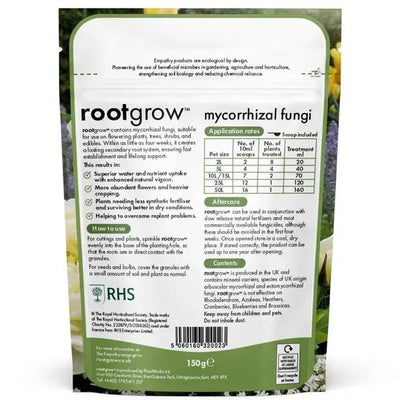
If your soil quality is poor, we recommend using mycorrhizal "friendly fungi" on the roots of new trees and shrubs.
You can also improve your soil with bonemeal organic fertiliser and Growmore.
After you plant your Pin Oak saplings, the most important thing to do is water them in dry weather. You will also need to weed around the plants. Both of these will be necessary for at least a year after planting.
Water thoroughly but not too often: let the soil get close to drying out before watering your plants again.
Special notes on caring for Pin Oak:
Pin Oak is a very tough plant that shouldn't need special attention once it has established. If pruning is necessary, it is best do it in winter. Always hire a tree surgeon to remove large branches.
Hygiene & Diseases:
Dead, damaged or diseased wood can be pruned off as soon as it appears.
Disinfect your pruning tools between every cut if there is any sign of disease.
Burn or dispose of any diseased material, do not compost it.