

Sold as:

from £6.99
Sold as:
from £19.99
 5 Star Service Rating




 Secure, One-Tap Checkout
 5 Star Feefo Rating
 Hand Picked, Delivered to Your Door!
 1 Year Bareroot Guarantee
 Platinum Trusted Service Award 2026
 Mail Order Plant Experts - Est. 1949
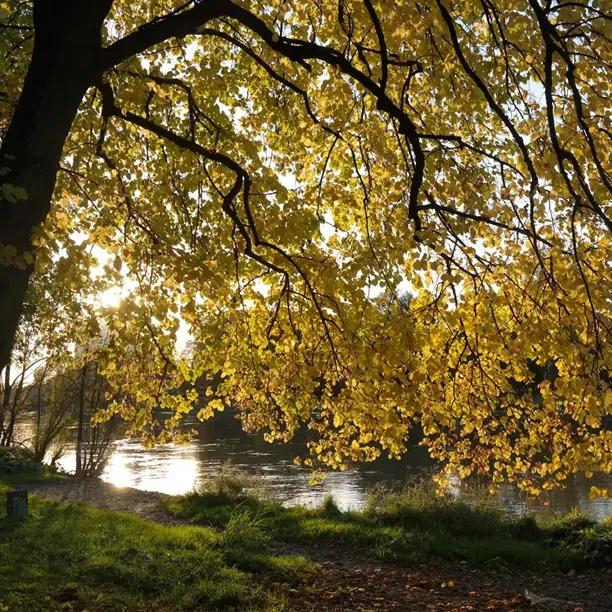




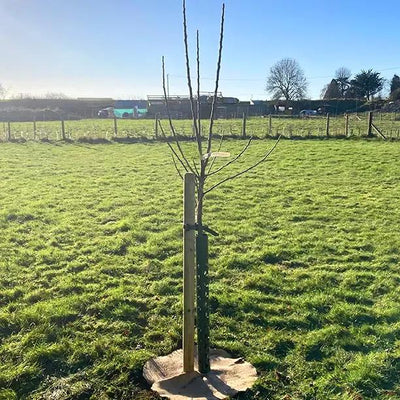
'Red-Twigged Lime' tilia platyphyllos Rubra, is a variety of the native Broad Leaved Lime with lustrous, ruddy red young stems and buds. It's a smaller, less vigorous tree than its parent, which makes it easier to maintain as a roadside tree where space it limited. In early summer, it produces lots of simple, sweetly scented white flowers that aren't very showy but which provide bountiful nectar for bees. The seeds are attached by a stalk to a modified leaf which spins around enough to carry them away from the parent tree when they fall; if seedlings appear on your lawn, just run over them with the lawn mower. Red-twigged lime doesn't have such a powerful suckering habit as other limes making it a better choice as a specimen tree. Like all lime trees it's very pollution resistant. Left to grow freely, this tree will spread out into a wide, pyramidal shape but it's very happy to be pollarded to restrict its size. Tilia platyphyllos rubra can reach a height of about 12+ metres.
Browse our variety of lime trees or our full range of trees.
Older books may list this tree as 'Corallina'. It's a naturally occurring variety, sometimes found in old woodland, and the trees that we grow are cloned vegetatively to ensure that they have a consistent colour and shape. You can make a tea from the first new flowers of the year, but do not use older flowers as they may make you feel sick. (Always this sort of thing carefully before actually doing it...)
How Standard Trees are Measured:
All the plants in the ornamental trees section are graded as standardss, which means that they're measured by their girth in centimetres 1 metre above ground level (basically, their trunk's waist measurement). They aren't measured by their height, which will vary. So, a 6/8 standard has a trunk with a circumference of 6-8 centimetres and an 8/10 standard has a trunk 8-10 centimetres around. This measurement makes no difference to the tree's final height.
Standard trees are 2 - 3.5 metres tall (on average) when they arrive; they're the most mature trees that you can buy from us. We cannot tell you precisely how tall your trees will be before we deliver them.






 Sign In
 Saved items