Sold as:

from £6.99

Sold as:
from £19.99
 5 Star Service Rating




 Secure, One-Tap Checkout
 5 Star Feefo Rating
 Hand Picked, Delivered to Your Door!
 1 Year Bareroot Guarantee
 Platinum Trusted Service Award 2026
 Mail Order Plant Experts - Est. 1949




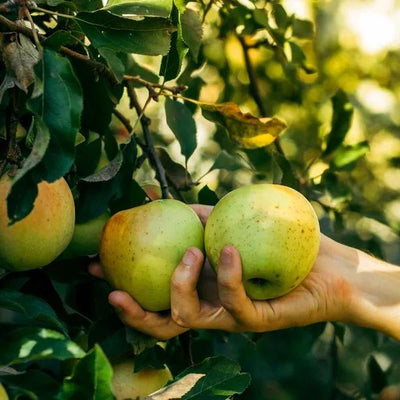
'Reine Claude de Bavay' this classic greengage variety is reliable, has a good crop size and sweet fruit that are best for eating fresh.
Browse our range of plums & gages or all of our fruit trees.
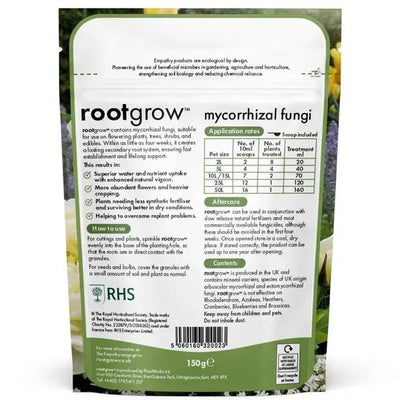
The more sun your trees get the heavier and tastier their crop. Rich soil is important - dig in plenty of good manure and compost before planting. Plums also need good drainage, and they respond well if planted with Rootgrow.
Reine Claude de Bavay Rootstocks:
Please note that all our Reine Claude trees are on St Julien A rootstocks unless otherwise described.
Named after the Director of the Vilvoorde Horticultural Station, near Brussels. Its parentage is unknown. It was raised by Major Esperens in 1832. The nurseryman Thomas Rivers imported it to Britain in 1846. Today, it's one of the most common commercial varieties in France; if you've bought greengages in the supermarket before, it's likely that they were Bavay gages.









 Sign In
 Saved items