

Sold as:

from £6.99

Sold as:
from £19.99
 5 Star Service Rating




 Secure, One-Tap Checkout
 5 Star Feefo Rating
 Hand Picked, Delivered to Your Door!
 1 Year Bareroot Guarantee
 Platinum Trusted Service Award 2026
 Mail Order Plant Experts - Est. 1949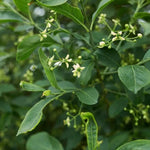
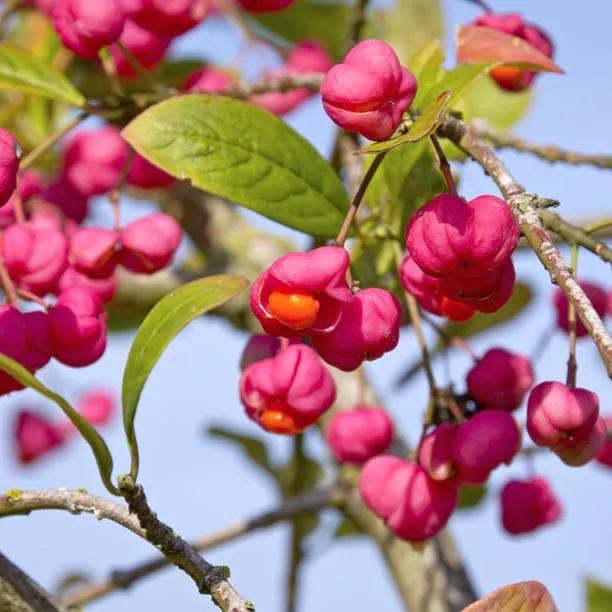





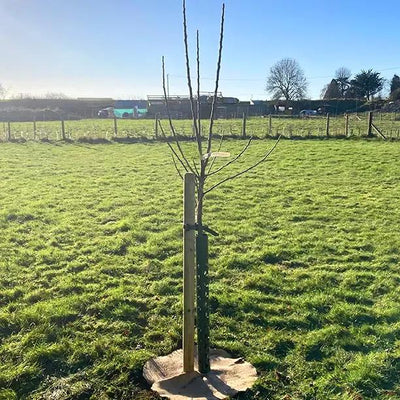
Spindle Berry, Euonymus europaeus, is a large native bush or shrubby tree that makes an excellent country hedging plant. It'll grow on practically any soil and tolerates dappled shade.
Spindle can reach about 6 metres if it grows freely as a tree or large shrub. It's suitable for hedging up to about 4 metres tall.
Bareroot hedge plants are only delivered, during winter (Nov-April).
See our selection of native hedging plants or view our full range of hedging.
Browse all our evergreen and native Euonymus varieties.
Choosing a size:
When you are ordering plants for a hedge, we generally recommend that you use plants that are graded at 40/60cm or 60/80cm. They're cheaper than large plants, easier to handle, and they'll establish well in poor conditions.
Use the larger, 90/120cm tall plants if you want a big hedge quickly or for instant impact as a specimen shrub.
All our hedge plants are measured by their height in centimetres above the ground (the roots aren't measured).
Plant Spindle hedging at 3 plants per metre, 33 apart.
You can also plant at 6 plants per metre in a staggered double row, with 33cm between each plant along the row and 40 between the rows.
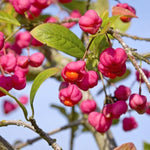
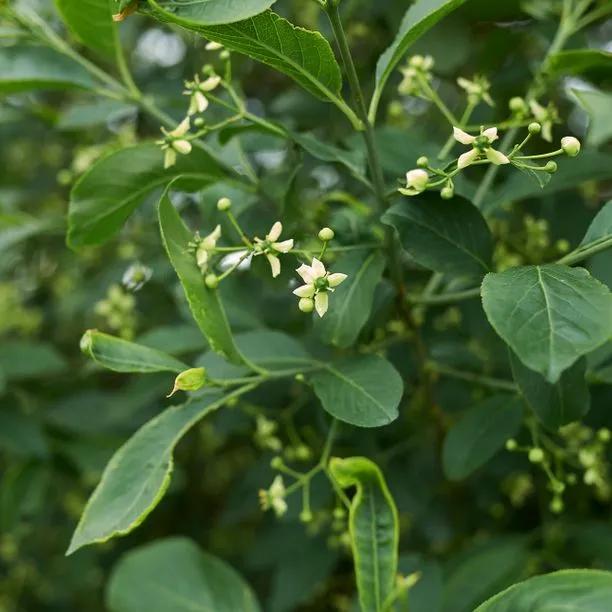
The Spindleberry or Spindle tree, Euonymus europaeus, is one of Britain's most colourful native, large shrubs. It's a fast-growing, bushy plant that is perfect for hedges and rough, country style screening. It has with fantastically bright berries and autumn leaves. The tiny flowers are green and insignificant, but they still attract bees and ripen over the summer into shiny, bright orange seeds that poke out of a punk pink casing.
Spindleberry is commonly used in mixed country hedgerows and is often found growing wild in chalky areas.
Please note that although the seeds are beautiful, they are poisonous to humans. They taste very bitter, so children will spit them out if they try one, but it's still important to educate them about poisonous plants.
Spindle wood is hard and was often used for making tool handles, including textile spindles. Spindle is a classic component of a mixed country hedge.
Native species that are useful to people tend to have a lot of common names around the country: Ananbeam, Catwood, Skewerwood, Pegwood, Gatten or Gatter tree, Louseberry.


 Sign In
 Saved items