

Sold as:

from £6.99

Sold as:
from £19.99
 5 Star Service Rating




 Secure, One-Tap Checkout
 5 Star Feefo Rating
 Hand Picked, Delivered to Your Door!
 1 Year Bareroot Guarantee
 Platinum Trusted Service Award 2026
 Mail Order Plant Experts - Est. 1949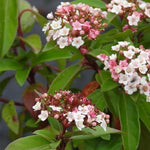
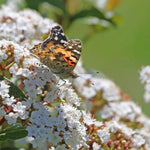
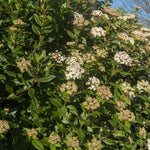

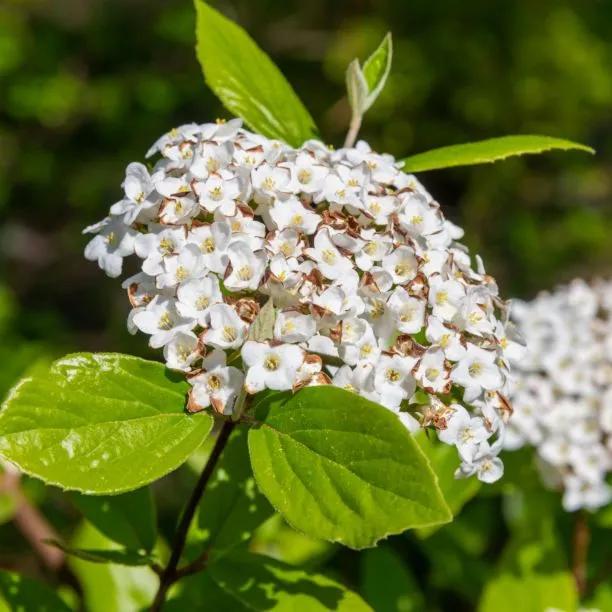
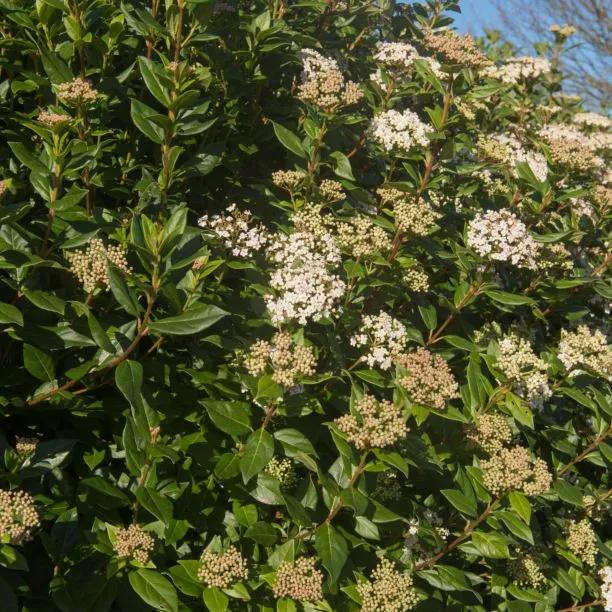
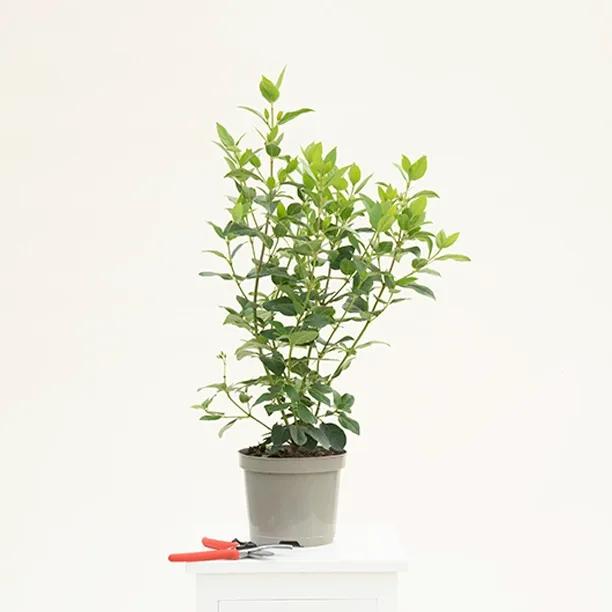

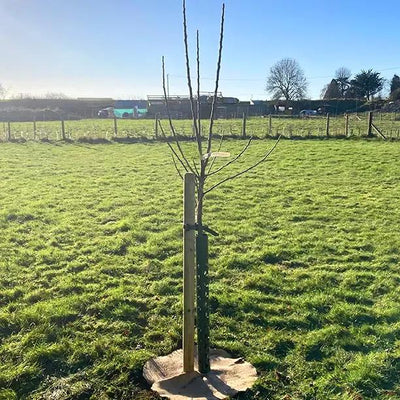
Also known as Laurustinus, Viburnum tinus 'Eve Price', is a steady growing, bushy, evergreen shrub that flowers in winter and makes a pretty hedge plant. Ideal for a small garden and suitable for any fertile soil. In ideal conditions, it'll eventually make a hedge or specimen shrub of up to 3 metres high, although it may struggle to get over 2 metres if your site is shady.
See our selection of evergreen hedging plants or see our full range of hedging.
Viburnum tinus Eve Price plants are only delivered pot-grown, year round.
Choosing a size:
All our hedge plants are measured by their height in centimetres above the ground (the pots aren't measured).
Plant Viburnum tinus Eve Price hedging at 3 plants per metre
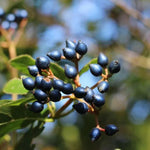
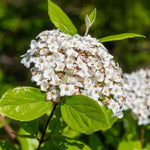
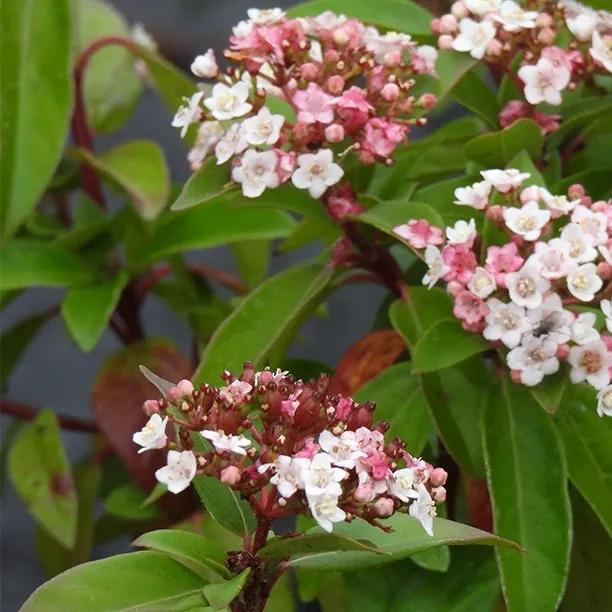
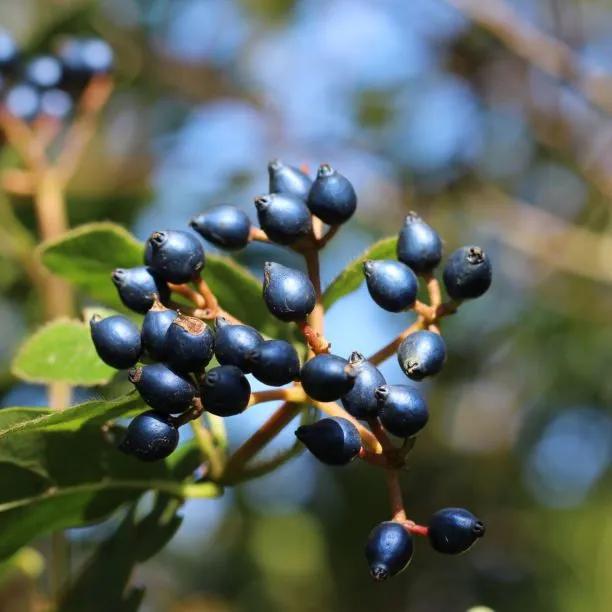
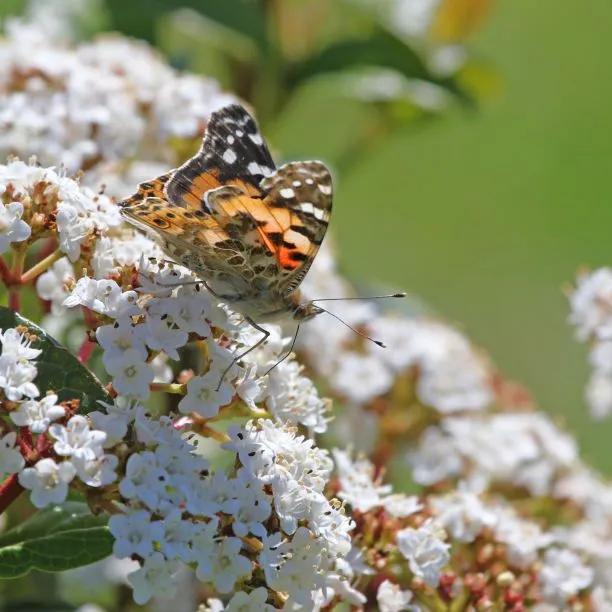
Viburnum tinus Eve Price is also known as Laurustinus. It has lush, glossy evergreen leaves that clip very well and give a perfect backdrop to the neat, flattened clusters of tiny carmine coloured flower buds that form in late summer. The bush begins to flower in October and continues through to April. The domed white flower heads bloom in waves, mingling with the delicate pink unopened buds. The berries that follow are deep blue-purple and attractive to wildlife.
It's an excellent plant for a problem areas, as it's good in shade, thrives by the sea, stands wind well and is happy in almost any soil. It's a good choice for the low, shrubby element in a windbreak, planted alongside rows of taller trees. It's also great for planting directly beneath deciduous trees.
Viburnum tinus Eve Price is unusual in that, unless the winter is very harsh, it'll often still be bearing the previous year's berries when the new buds are beginning to flower. This adds to your plant's ornamental value and it's also good news for hungry birds. It's fully hardy throughout Britain, although tough winters can suppress the flowers.
The name Laurustinus, comes from the similarity of its leaves to those of the bay laurel, which is in the genus Laurus. However, Viburnums aren't related to laurels, but are in the Adoxaceae family along with the very different looking genus Sambucus, elderflower.
Tinus is Latin for 'tenth', which refers to the shrub's habit of flowering in October, the tenth month.
Viburnum tinus originates from the Mediterranean and in particular the islands off the coast of North West Africa, which can experience extreme temperature swings and tempestuous weather conditions - not so different from Britain!
Viburnum tinus has been cultivated in England for about 400 years and Eve Price was named after the lady of the manor at Wakehurst Place, West Sussex, where it was bred in the first half of the 20th century.
Today, Wakehurst is owned by the National Trust, and managed by Kew Royal Botanic Gardens.


 Sign In
 Saved items