

Sold as:

from £6.99

Sold as:
from £19.99
 5 Star Service Rating




 Secure, One-Tap Checkout
 5 Star Feefo Rating
 Hand Picked, Delivered to Your Door!
 1 Year Bareroot Guarantee
 Platinum Trusted Service Award 2026
 Mail Order Plant Experts - Est. 1949


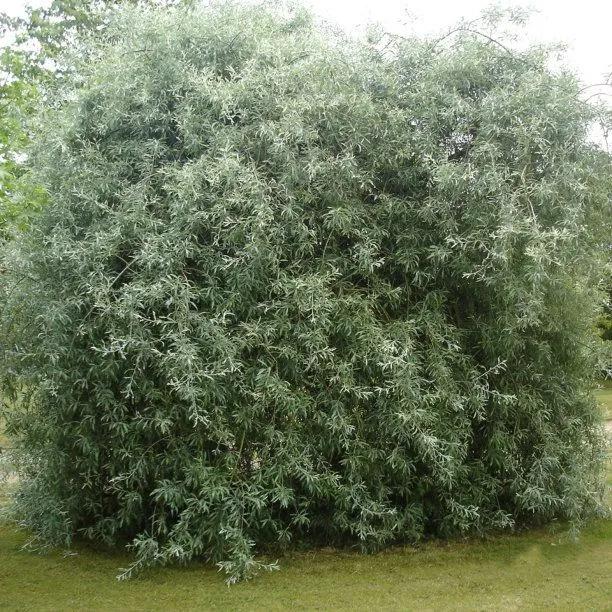




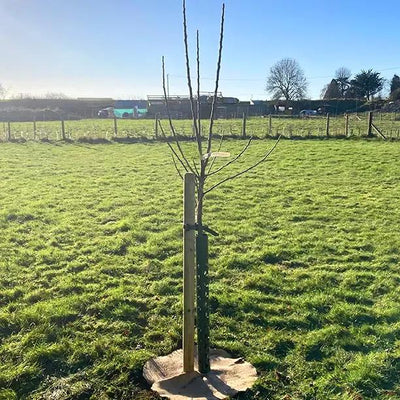
Pyrus salicifolia Pendula, is a an ornamental Weeping Pear tree. It's suitable for a small garden and will grow on any soil.
Pendula can reach a height of about 6 metres at most, but can easily by kept at 3-4 metres with a little pruning.
You can buy eating pear trees here, as well as wild pears and ornamental Chanticleer pears.
How Standard Trees are Measured:
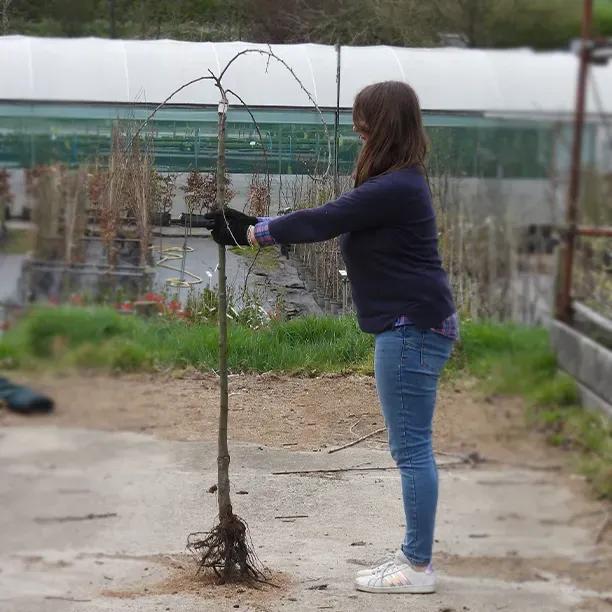
All the plants in the ornamental trees section are graded as standards, which means that they're measured by their girth in centimetres 1 metre above ground level (basically, their trunk's waist measurement). They aren't measured by their height, which will vary. So, a 6/8 standard has a trunk with a circumference of 6-8 centimetres and an 8/10 standard has a trunk 8-10 centimetres around. This measurement makes no difference to the tree's final height.
Standard trees are 2 - 3.5 metres tall (on average) when they arrive; they're the most mature trees that you can buy from us. We cannot tell you precisely how tall your trees will be before we deliver them.
This little tree has a delicate appearance, but it's one of the toughest ornamental plants we sell. It a small, weeping tree with slim, silvery leaves that darken as summer wears on to a shiny grey-green. It carries masses of small white flowers in spring and early summer, which are followed by small brown fruit. The fruit aren't really edible, as they taste too bitter, but they're totally safe and should get some interest from hungry birds in early winter.
Weeping pears naturally have a neat round canopy about 2 metres across and are ideal specimens for lawn planting or small gardens.
Pyrus salicifolia, which means "willow leaf pear", is native to the Middle East, Turkey and South-Eastern Europe and was introduced to Britain in about 1780. This weeping variety won the RHS Award of Garden Merit in 2002 for being both pretty and easy to grow.






 Sign In
 Saved items