Sold as:

from £6.99

Sold as:
from £19.99
 5 Star Service Rating




 Secure, One-Tap Checkout
 5 Star Feefo Rating
 Hand Picked, Delivered to Your Door!
 1 Year Bareroot Guarantee
 Platinum Trusted Service Award 2026
 Mail Order Plant Experts - Est. 1949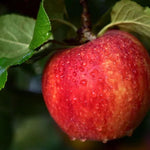
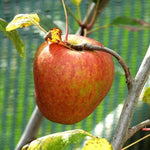
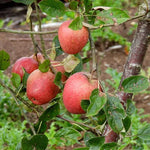
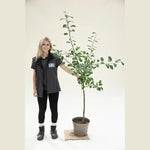
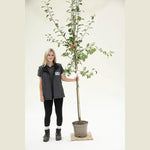
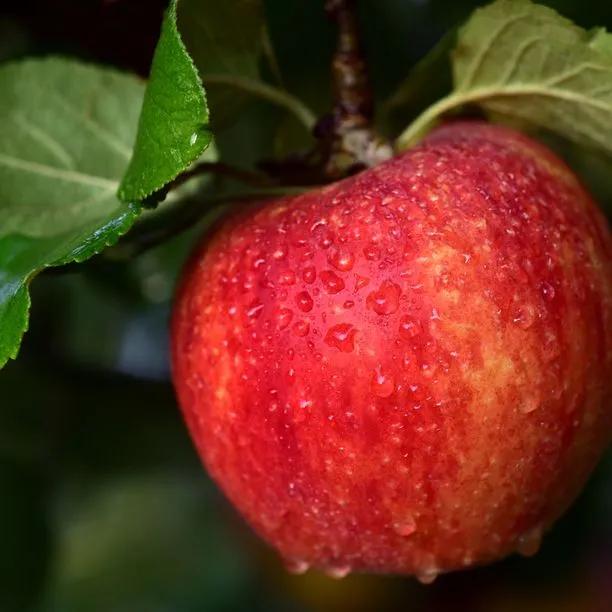
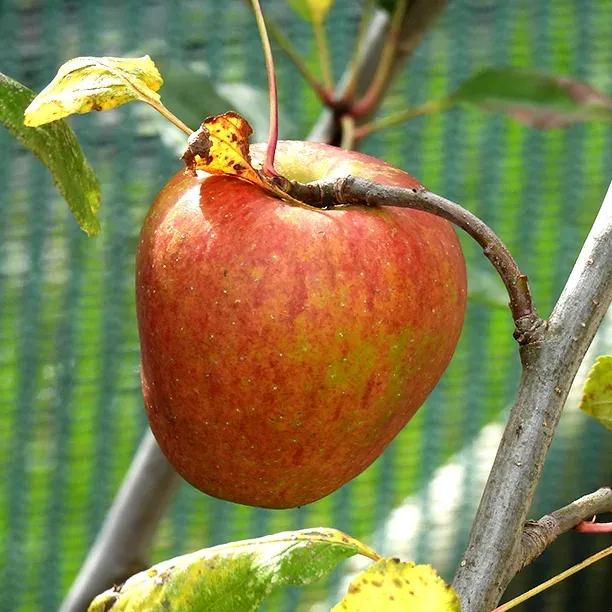
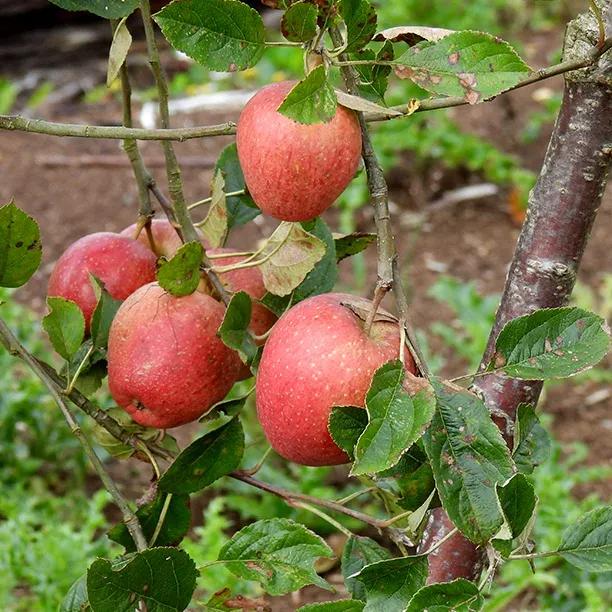
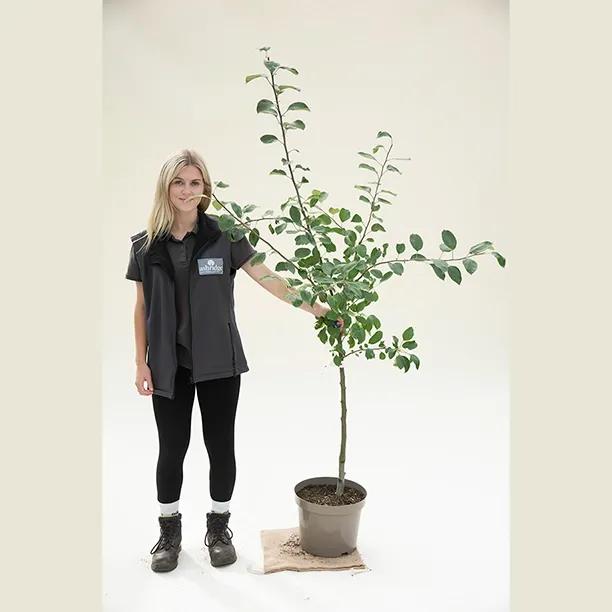
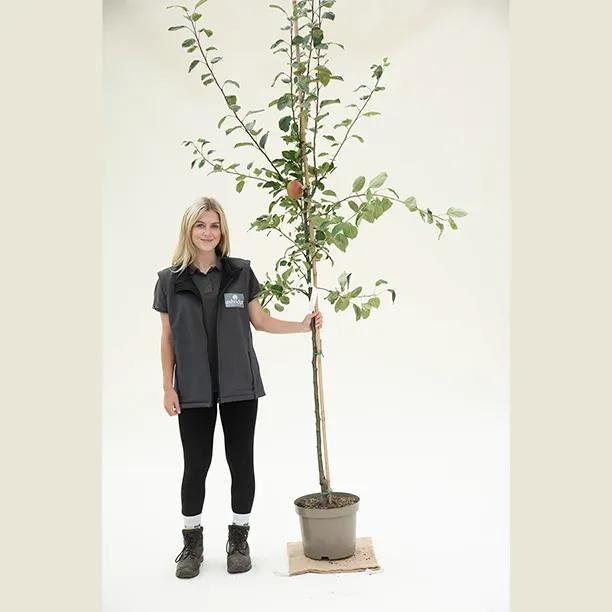



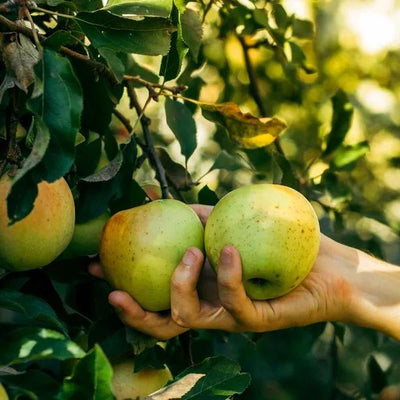
'Adams Pearmain' adam's Pearmain apple trees produce mid-season eating apples with a crisp and juicy texture. The flavour is on the dry sharp side, with a blend of subtly sweet, nutty flavours that go very well with cheese.The juice has a nice pink tinge to it.The yellow skin flushes with a deep, russet flecked red as they ripen and is quite tough.The fruit hangs well on the branches until picked (this tree is also called Hanging Pearmain), and store well.
Browse our range of apple trees, the full variety of fruit trees, or read our guide to buying the right apple tree.
Rootstocks:
All of our Adam's Pearmain trees are grown on MM106 rootstocks.
Pollination Partners for Adam's Pearmain:
Your trees are self sterile and their flowers must be pollinated to make fruit.
Adam's Pearmain is in pollination Group C.
This means that it'll cross-pollinate with other apple trees in pollination Groups B, C and D.
This tree's flowers have good frost resistance.
See our Guide to Apple Tree Pollination for a full list of partners & more tips about pollination.
Adam's Pearmain disease notes:
Disease resistance: Scab








 Sign In
 Saved items