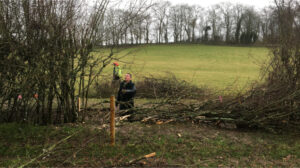
Here at Ashridge the ‘dormant season’ is anything but – in fact it’s our busiest time of the year. But we’re not the only ones kept busy in winter. While we’re despatching bareroot trees and hedging plants from the nursery, out in the fields hedge layers are hard at work. Hedge laying has been practised… Continue reading Getting a Word in Hedgewise

Category: Hedges
Why I love hazelnuts. Or cobnuts?
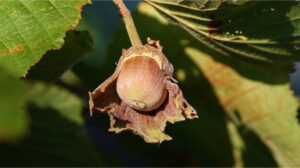
What is the difference between a cobnut and a filbert? Are they the same thing, with regional variations of nomenclature? Is a filbert the fancier version of a cobnut with a longer husk? And how do they relate to hazelnuts? There must be a kernel of truth in there somewhere… Kent is where you’ll find… Continue reading Why I love hazelnuts. Or cobnuts?
The Best Plants for a Wildlife Hedge

A good hedge is an invaluable addition to any garden. From the outside, it delineates and disguises boundaries, creating structure in a space. Up close (and there’s no better way to get a close-up view than by learning the ancient art of hedge laying) it reveals shady spots on the ground and well concealed areas… Continue reading The Best Plants for a Wildlife Hedge
Bring on the blossom

Every year the anticipation mounts. I look out of my bedroom window at the ornamental plum tree on the street, scouring its deep claret branches for signs that the colour is changing, life stirring within. Subtly, from a solid winter opacity to something with just a hint of deepest rose. Sometimes I think I see… Continue reading Bring on the blossom
Hips and Haws
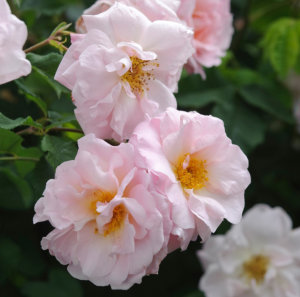
Rosa rugosa makes a truly decorative hedge on its own or mixed with other hedge plants, especially if the plants are in the sun so that they flower well. Choose vibrant pink or purest white flowers for your summer interest and then enjoy the enormous orange gobstoppers of hips that they produce in autumn that… Continue reading Hips and Haws
Using Copper foliage in the garden
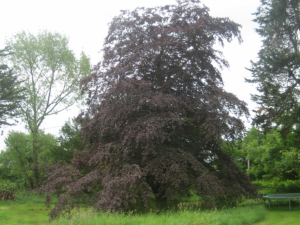
And why it is it copper anyway? Contemporary gardeners often use dark colours…look how the ‘Queen of the Night’ tulip has become ubiquitous, and the black grass Ophiopogon planiscarpens nigrescens pops up in urn plantings or as a contrast to pale paving. There is something fascinating about the pool of shade that sombre colours cast… Continue reading Using Copper foliage in the garden
Copper Beech – a hedge for all seasons
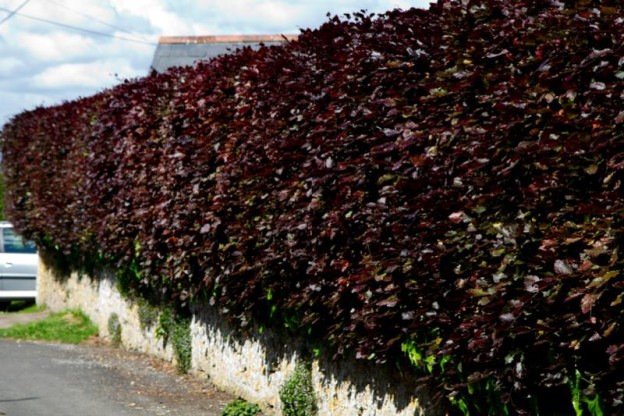
Copper beech is one of the most elegant hedges available to the British gardener. It has all the qualities of green beech hedging; it grows almost anywhere where there are reasonable light levels and where the ground is not waterlogged. Beech is a true British native and as such it is happy growing across the… Continue reading Copper Beech – a hedge for all seasons
Cornus sanguinea Midwinter Fire
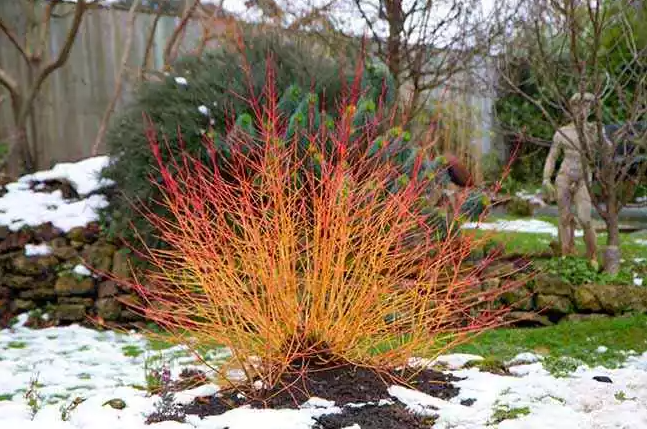
Dogwoods, members of the Cornus family, are often the unsung heroes of the winter garden. Although there are exceptions, in summer they tend to be unremarkable. This is because they are covered in foliage when daylight hours are longer and their crowning glory is their bark which can only be seen when the leaves… Continue reading Cornus sanguinea Midwinter Fire
Living sculpture: Topiary plants a little less ordinary

Shrubs trained as topiary are at home in any garden. From a cottage setting where intriguing forms nestle casually between flowers and vegetables, to a much grander scheme where repetitive shapes are rigid and regimented, topiary can be both charming and formal. And let’s not forget that when you trim your humble garden hedge, you’re… Continue reading Living sculpture: Topiary plants a little less ordinary
Choosing and planting potted hedging
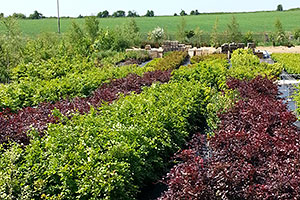
Container-grown hedging plants are perfect for planting all year round. Generally speaking, hedging is put in the ground over winter, using young bareroot plants when they are dormant. However, some circumstances call for a more instant, mature hedge – which is where container-grown (or potted) hedging plants play their part. Why choose potted hedging? Among… Continue reading Choosing and planting potted hedging