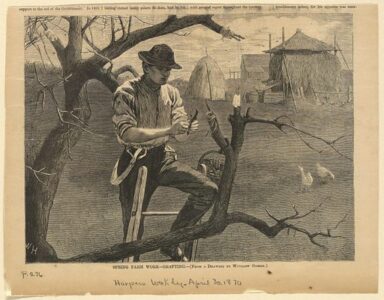
Pruning woody plants is a big part of a gardener’s life, and winter is when a lot of it gets done – especially after windy weather leaves some rough edges to tidy up. When we examine a typical branch, we can see that there are basically three ways one could cut it: So, a hedge… Continue reading How to Prune Trees VS Clipping Hedges

Tag: trees
15 Ideal Trees for Growing in Pots
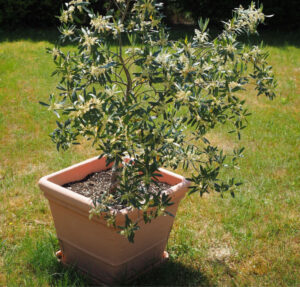
According to the proverb, ‘To be happy for a year, get married; to be happy for life, plant a garden.’ A well-chosen tree makes the perfect finishing flourish, and by planting trees in a pot, it’s perfectly possible for even a balcony-sized garden to enjoy their many benefits. Container grown trees make an attractive focal… Continue reading 15 Ideal Trees for Growing in Pots
Everything You Need to Know about Yew Trees
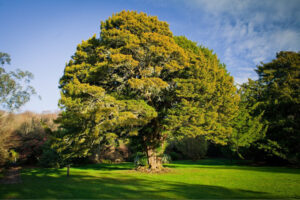
One of only 3 conifers native to the United Kingdom (along with Scots pine and juniper), yew is a familiar feature of our gardens and parks. But how much do you really know about it, and could there be a place for it in your garden? In this article, you will find everything you need… Continue reading Everything You Need to Know about Yew Trees
Your Guide to Oak Trees: Facts, Types & Essential Information
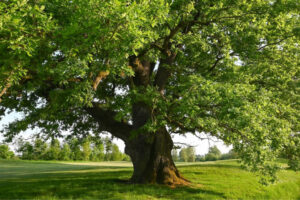
It’s no exaggeration to describe oak trees as the national tree of Great Britain. They have been integral to our countryside for centuries, so naturally, many people are interested in growing oak trees for themselves. Planting an oak tree is one of the most altruistic things a gardener can do. These slow-growing giants take a… Continue reading Your Guide to Oak Trees: Facts, Types & Essential Information
The best of bareroot trees
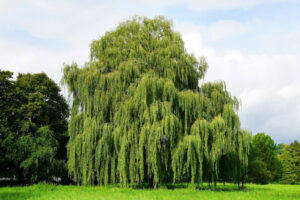
We’re slap-bang in the middle of bareroot planting season. And that’s something worth celebrating when you love trees and shrubs but are on a budget. If you’re new to the joys of bareroot, the bottom line is that these are brilliantly healthy – but dormant – specimens. All trees and shrubs enter a period of… Continue reading The best of bareroot trees
Stop and Smell the Roses

I like to remember my mum smelling the roses, stopping to think, breathing in a lungful of sweet morning air (or the sharp, rich fug of a strong coffee) and listening to the excited trill of the blackbirds. She savoured the simple pleasures of life; even before the intrusions of phones and apps, it was… Continue reading Stop and Smell the Roses
Bring on the blossom
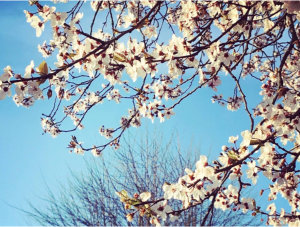
Every year the anticipation mounts. I look out of my bedroom window at the ornamental plum tree on the street, scouring its deep claret branches for signs that the colour is changing, life stirring within. Subtly, from a solid winter opacity to something with just a hint of deepest rose. Sometimes I think I see… Continue reading Bring on the blossom
Freezing weather & bareroot plants

Most of the damage caused to bareroot plants in cold, freezing conditions is to the delicate roots themselves. The roots are fine, fibrous structures with a high water content: moving them, or even the slightest touch whilst frozen, can cause damage. Almost all of a shrub or a tree’s energy reserves are stored in the… Continue reading Freezing weather & bareroot plants
Brutting Hazel to Get More Nuts!
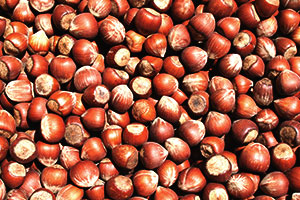
Brutting is a really simple technique to make your hazel or cobnut trees produce more nuts. It is done in August. You can do this on any type of hazel, cobnut or purple hazel. All you do is snap (but don’t break off) the ends of all the new shoots that were made this year.… Continue reading Brutting Hazel to Get More Nuts!
A Yew Supplier’s Thoughts for Yew

We say 3 things about Yew – quick growing when young, likes clay on the dry side & is very durable.