Sold as:

from £6.99

Sold as:
from £19.99
 5 Star Service Rating




 Secure, One-Tap Checkout
 5 Star Feefo Rating
 Hand Picked, Delivered to Your Door!
 1 Year Bareroot Guarantee
 Platinum Trusted Service Award 2026
 Mail Order Plant Experts - Est. 1949





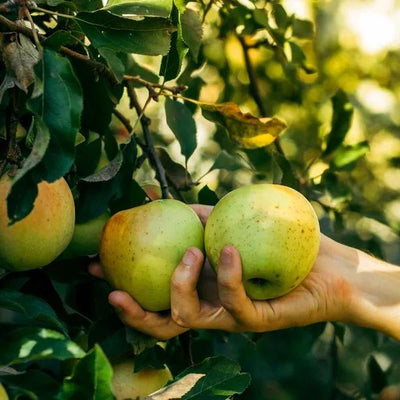
Williams' Bon Chrétien is the large, sweet, juicy Pear that turns from green to yellow as it ripens in mid to late September. It needs a pollination partner, and the fruit keeps for days, not weeks, so eat it fresh, poach it or preserve it. On Quince A it makes a garden tree of 3 to 4 metres.
Usually just called William's, this is a beautiful old pear variety: large, sweet, smooth and very juicy with the fruit turning from green to yellow when ripe. While it's a standalone, superb eating pear, Williams bon Chretien, which needs a pollination partner, is also great for stewing or poaching. Jamie Oliver has a great recipe for poached pears that works best with this variety.
It's a reliable, heavy cropping and hardy tree that is grown on a large scale on farms all over the world. It's more spreading than most pear trees.
Browse our range of pear trees or see the full variety of fruit trees.
Pollination Partners for Williams Bon Chretien:
This pear is in pollination group C, which means that it'll cross-pollinate with the other pear trees in groups B, C and D (except Louise Bonne of Jersey & Sensation).
See our guide to Pollinating Pear Trees for more details.
Growing Williams Bon Chretien Pear Trees:
Rich soil is important: dig in plenty of good manure and compost before planting.
Soil drainage must be good.
The more sun your trees get the better your crops will be.
Details about delivery sizes: Guide to Fruit Tree Sizing.
Found as a chance seedling around 1770 in the garden of Mr Wheeler, a schoolmaster at Aldermaston in Berkshire. A Mr Stair later bought the house and took grafts from the tree with Richard Williams, a nurseryman, who named it after himself in 1814.
It's the most widely grown pear tree in the world, partly because although it's best eaten fresh, it's also very good for canning.
In America, it's called Bartlett. At Ashridge, we call him Willboch.
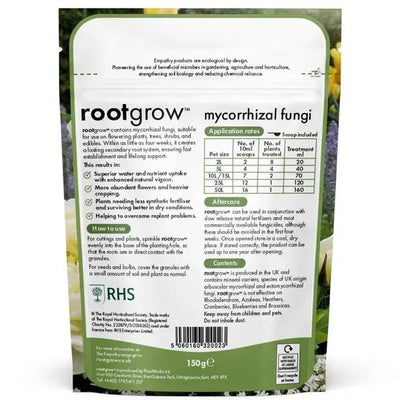
Williams flowers in group C, and it needs a partner. Conference is the easy choice: same group, and self-fertile, so it crops well in its own right. Beth and Beurré Hardy are in group C too. Every Pear here stands on Quince roots: see our Quince trees for the fruit itself. Dust bareroot roots with Rootgrow as you plant.
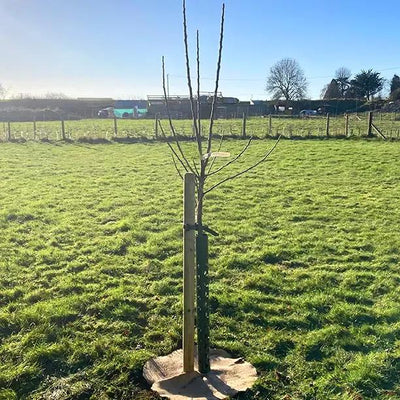
Field grown specifically for us and lifted fresh to order, your Williams Pear is on Quince A rootstock, and maidens are pre-pruned before despatch. Bareroot trees are guaranteed for 12 months, and so is a potted tree delivered leafless between November and March. Ashridge has sold plants since 1949.
Yes. It needs another variety for pollination. Plant it with a Pear from group B, C or D, such as Conference, Beth or Beurré Hardy.
Louise Bonne of Jersey and Williams do not pollinate each other, and nor do Williams and Sensation, which is a sport of Williams. Choose any other Pear in group B, C or D.
Yes. The nurseryman Richard Williams gave it his name in 1814, and in America Enoch Bartlett renamed it after himself in 1817. It is one English Pear under two names.
On Quince A rootstock, it makes a garden tree of about 3 to 4 metres, which crops within a few years. It is not an orchard giant.
For days, not weeks. Pick them full-size but still hard, ripen them indoors, and eat or preserve them promptly. Conference is the Pear to grow for keeping.
Yes. It is a spur bearer, and suits all training forms, espaliers, fans and cordons included. Buy a maiden and tell us the form you want.
Bareroot trees are delivered from November to April, while they are dormant. Pot-grown trees can be delivered and planted in any month when you find them in stock.






 Sign In
 Saved items