Lavender Plants for Sale – UK Grown & Delivered
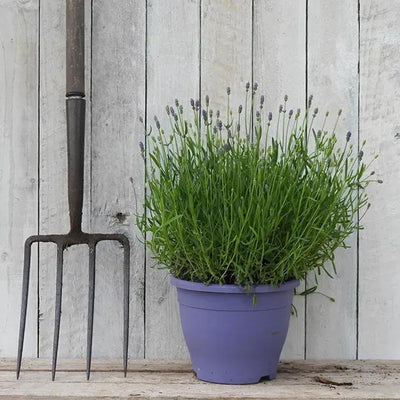
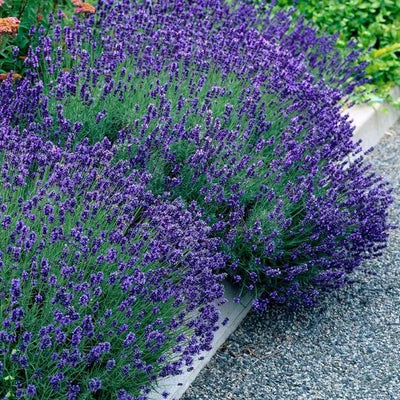
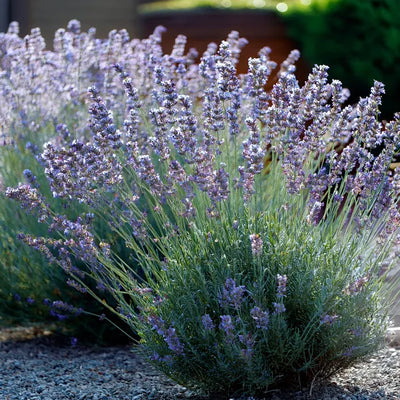
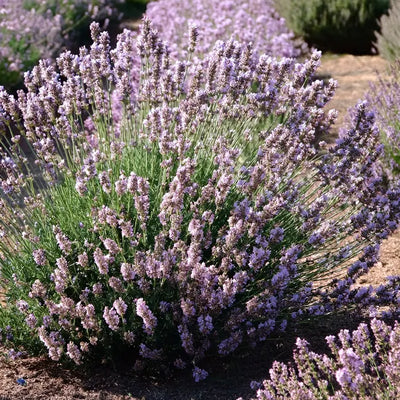
Our UK-grown, peat-free lavender plants are hardy, pest-resistant and easy to grow, making them perfect for pots, borders and hedging in UK gardens. Lavender plants are a reliable and long-lasting choice - people love them, pollinators love them, and we love them too.
A well-cared-for lavender plant can thrive for a decade, bringing year-round structure, fragrance and colour to your garden with little maintenance or gardening know-how required.
Order Lavender Plants Online
All our lavender plants are grown in the UK and dispatched when conditions are perfect for planting:
- Seasonal dispatch – lavender prefers warm soil, so plants are only sent when conditions are right
- Typical lead time – most orders are dispatched within two weeks when in season and in stock
- Fast delivery – once dispatched, plants are delivered by next working day courier
- Order updates – we’ll keep you informed by email
- Friendly support – contact us for support and speak to our knowledgeable team by phone or email
We expect our first lavender plants of 2026 to be ready from April/May onward, depending on pot size.
Choosing the Right Lavender Plant
Choosing a variety:
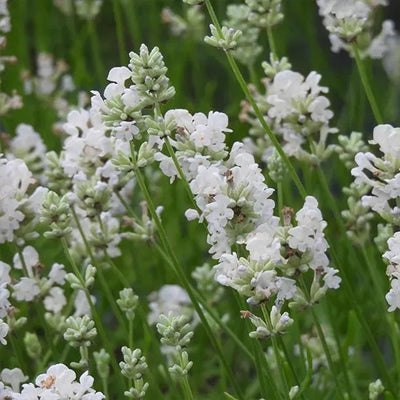
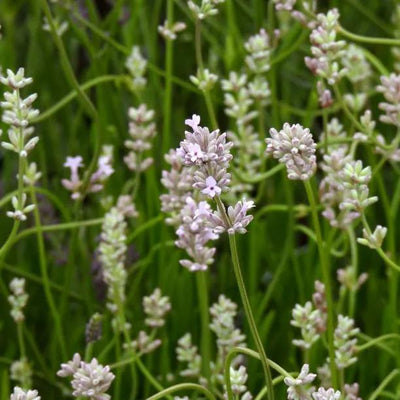
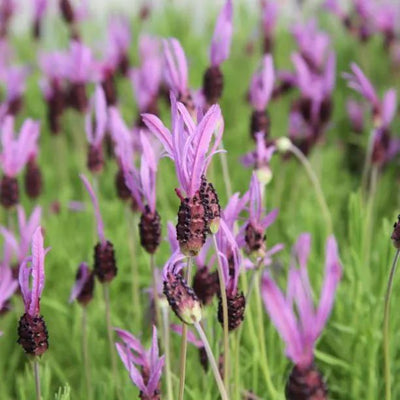
English lavender (such as Hidcote and Munstead) is the most popular choice for UK gardens — hardy, fragrant, and perfect for hedging, edging and cooking. French Butterfly Lavenders suit sunny pots and patios, while Lavandin varieties like Grosso are ideal for harvesting aromatic flowers and oil.
Choosing a pot size:
- P9 pots – Great value for pots and later planting
- 2 litre pots – Ideal for quick borders and hedges
- 5 litre pots – Maximum impact and established plants
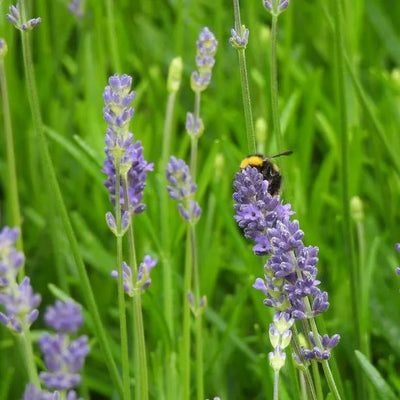
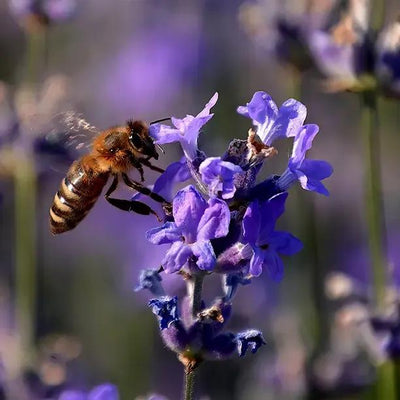
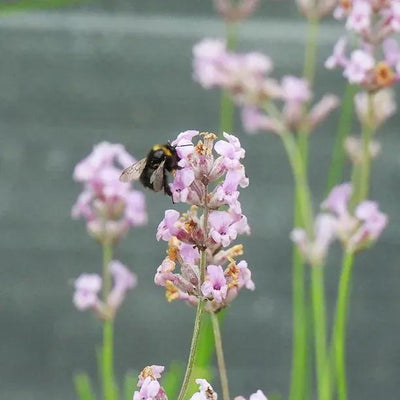
Lavender is fantastic for bees, tolerant of drought once established, and long-lived when pruned annually. For detailed advice on planting, care, and choosing the best variety for your garden, see our lavender growing guides.
Why Choose Ashridge Nurseries Plants
Expertly Grown, Peat-Free Lavender
Cultivated in the UK for strong, garden-ready plants
Growing & Supplying Since 1949
Decades of horticultural know-how behind every plant we supply
Hand Picked Quality
Carefully selected and packed to arrive in top condition by trusted couriers
Award-Winning Service
Recognised by Which? As Best Plant Supplier in 2025


 Sign In
 Saved items



 5 Star Service Rating




 Secure, One-Tap Checkout
 5 Star Feefo Rating
 Hand Picked, Delivered to Your Door!
 Platinum Trusted Service Award 2026
 Mail Order Plant Experts - Est. 1949
 1 Year Bulb Guarantee