Sold as:

from £10.95


Sold as:
from £19.99
 5 Star Service Rating




 Secure, One-Tap Checkout
 5 Star Feefo Rating
 Hand Picked, Delivered to Your Door!
 1 Year Bareroot Guarantee
 Platinum Trusted Service Award 2026
 Mail Order Plant Experts - Est. 1949
 1 Year Bulb Guarantee







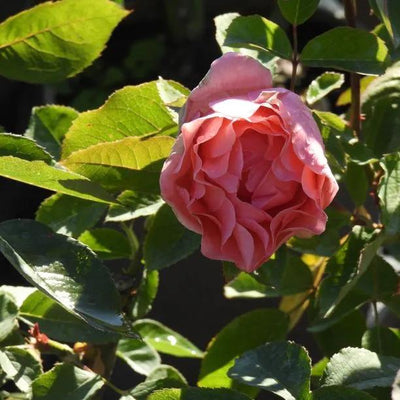
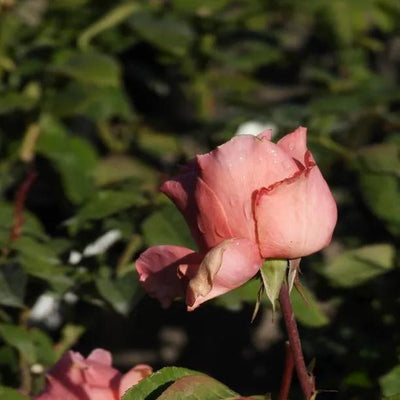
Aphrodite is a pale pink shrub rose with large, cupped, fully double blooms, 10 to 12cm across, and a strong, classic rose fragrance. A reliable repeat-flowering rose that makes an excellent cutting variety and a romantic focal point in any border.
Named after the Greek goddess of love, Aphrodite is a rose that lives up to its heritage. The pale pink colouring is romantic without being garish, and the large, cupped, fully double blooms open from beautifully spiralled buds. This is a rose that looks equally at home as a cut flower in a vase on your kitchen table as it does growing in your border.
The fragrance is strong and genuinely sweet, with that unmistakable classic rose scent that modern breeding has sometimes sacrificed in pursuit of colour or form. With Aphrodite, you get no such compromise. Flowering reliably from June through to October, it delivers repeat flushes of blooms across the growing season, so you will have a steady supply of cut flowers and a continually rewarding display in the garden.
At around 1m (3ft) tall, and up to 1.5m, Aphrodite is a bushy shrub rose of manageable size for most borders, and works well either as a specimen plant or grouped with complementary plantings. The bushy habit, healthy bright green foliage and consistent flowering make it a dependable choice whether you are an experienced rose grower or returning to roses after a gap.
Aphrodite was bred by the German nursery Rosen Tantau and introduced to Britain in 2007. It is one of Tantau's Nostalgic roses, which have very full, fragrant blooms with a more compact habit than many shrub roses of this kind, and it holds the RHS Award of Garden Merit.
If you cut roses for the house, Aphrodite should be on your list. The large, fully double blooms are well suited to the vase and the strong fragrance means a single stem can perfume an entire room. Cut in the early morning when the stems are full of water, choosing blooms that have just opened. They will continue to develop over several days indoors, giving you remarkable value from each flowering flush.
The pale pink colouring combines beautifully with white, cream, and deeper rose companions. A few stems of Aphrodite arranged with lavender or white lisianthus creates the kind of informal cottage-garden posy that always impresses.
Aphrodite needs full sun, ideally at least six hours daily, to flower well and develop its fragrance. Plant in fertile, well-draining soil enriched with compost or well-rotted manure. Feed with a balanced rose fertiliser in spring and repeat-feed through the growing season to maintain the flowering display. Deadhead spent blooms promptly to encourage new flowers, and prune in February or March, lightly in the first year.
Pair Aphrodite with softly coloured perennials and complementary shrubs. Lavender echoes the romantic theme and attracts pollinators. Clematis grown through the rose adds height and structure. Consider allium bulbs for spring interest before the rose comes into flower, or underplant with herbaceous perennials like catmint and salvia for a softer, fuller effect. White or cream roses from our rose collection work beautifully alongside Aphrodite.
We grow Aphrodite and our entire rose range on vigorous rootstock selected for our UK climate and soil conditions. All our roses are sourced from specialist growers who understand what British gardeners need. Award-winning service, backed by real horticultural knowledge. Browse our full rose collection.
Prune in February or March. In the first year, prune very lightly, reducing stems by no more than a third. In later years you can reduce growth by up to a half to keep a shapely plant, and remove any dead or diseased wood. Summer pruning should be light, focusing on deadheading and shaping. Read our detailed pruning guide.
Aphrodite is a reliable repeat-flowering rose, producing blooms from June through October. The frequency of flushes depends on feeding, deadheading and weather, but you can expect new flowers roughly every 6-8 weeks in the growing season.
Yes. Use a large pot at least 50cm deep, filled with quality rose compost or a 50/50 mix of peat-free compost and horticultural grit. Water regularly and feed weekly during the growing season. Containers dry out quickly, so check soil moisture daily in warm weather.
Aphrodite has a strong, sweet classic rose fragrance. It is not spicy or fruity, but rather the classic rose scent that has made roses beloved in gardens for centuries. Scent intensity varies with temperature and time of day.
Aphrodite prefers full sun for best flowering and fragrance development. In partial shade (less than six hours of direct sun), she will grow but produce fewer blooms and weaker scent. If shade is unavoidable, select your sunniest border position.






 Sign In
 Saved items