
Sold as:

from £10.95

Sold as:
from £19.99
 5 Star Service Rating




 Secure, One-Tap Checkout
 5 Star Feefo Rating
 Hand Picked, Delivered to Your Door!1 Year Bareroot Guarantee
 Platinum Trusted Service Award 2026
 Mail Order Plant Experts - Est. 1949
 1 Year Bulb Guarantee
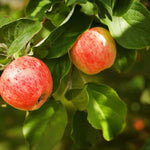



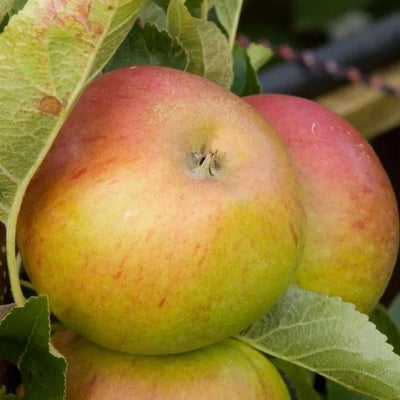
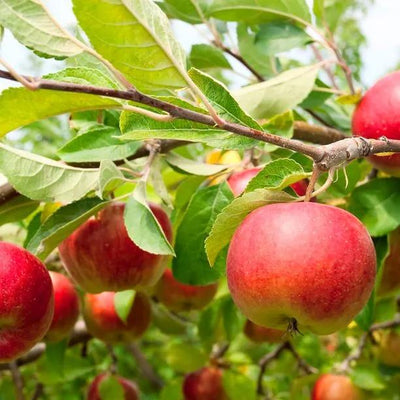
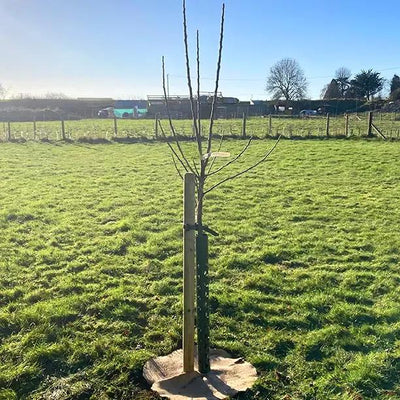
A solid cider variety, the Somerset Redstreak is the apple behind Thatchers Redstreak Cider, which won the 2007 International Cider and Perry Competition. The attractive fruit are deep, shiny red with stripy marks. They aren't great eaters, having a rather woolly texture and the juice is a refreshing, mild bittersweet. This is a good tree if you are in hurry to start making cider as it'll begin cropping a year before most other varieties. Though it does tend to a biennial cropping habit, it's a reliable in its cycle and crops very well during an active year this trait also has the side benefit of letting the tree grow faster. Thatchers use a technique called cuvage to improve their single variety Redstreak cider. Unless you are a cider technician, we would recommend using it in conjunction with other cider apples to get a full-bodied drink. The fruit are ready to go in the first weeks of October. Like all apples, it is on the RHS Plants for Pollinators list.
Browse all our apple trees or read our guide to buying the right apple tree.
There is no better way of ensuring strong pollination than by planting a crab apple like Golden Hornet nearby. If you want to use an apple tree, Somerset Redstreak is in the mid-season flowering group and can be pollinated by any fertile tree in the Apple Tree Pollination guide, though another mid-season variety is best if you only plan on having a few trees.
Have a look at our quick guide if you are new to brewing cider at home.
This variety is grown on MM106 rootstocks that produce trees up to 4.5 metres in height.
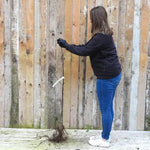
Apple Sawfly can be an issue with this breed. If you don't want to use a pesticide, rake the soil around the tree thoroughly a few times during the winter. This exposes the hibernating insects to the winter frosts and kills them - if sparrows, blue tits and robins do not get them first. Destroy any young or fallen fruit that has a telltale hole in them.




Somerset Redstreak Cider Apple Trees needs a different apple tree nearby, in flower at the same time, to produce fruit. The varieties below are compatible pollination partners.


 Sign In
 Saved items