


Sold as:

from £6.99

Sold as:
from £19.99
 5 Star Service Rating




 Secure, One-Tap Checkout
 5 Star Feefo Rating
 Hand Picked, Delivered to Your Door!
 1 Year Bareroot Guarantee
 Platinum Trusted Service Award 2026
 Mail Order Plant Experts - Est. 1949


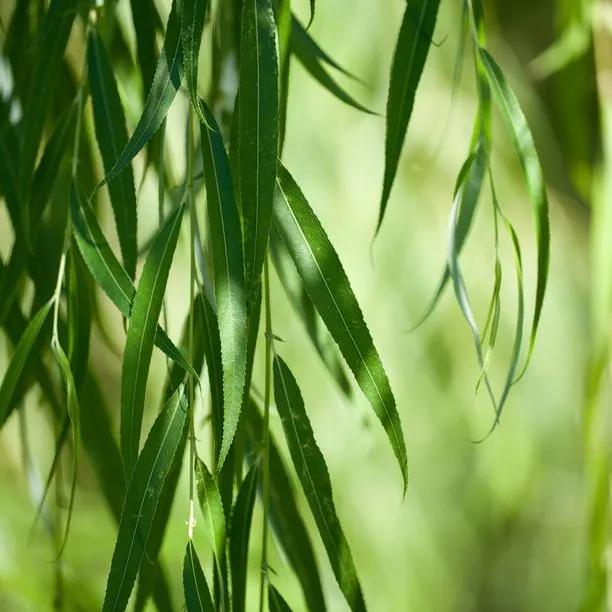





The Golden Weeping Willow is a large weeping tree with golden-yellow branchlets, growing to about 15 metres tall and as wide. It holds the RHS Award of Garden Merit, is on the RHS Plants for Pollinators list, and wants full sun and moist or wet soil.
The Golden Weeping Willow tree, Salix sepulcralis Chrysocoma, is the world's most popular ornamental weeping tree and the only weeping willow with golden-yellow stems. It has a stout, gnarled trunk when it's mature, with quite stumpy main branches that end in radiant showers of hanging, golden-yellow stems. It looks fabulous in spring, when the young leaves are still small and pale yellow-green and the yellow catkins are visible. The leaves turn green in summer and then back to yellow in autumn.
Weeping willows are vigorous and have a variable final height range. In general, trees on sheltered sites will be taller. Anywhere from 12 to 20 metres is possible.
Browse our variety of willow trees or our full range of garden trees.
Delivery season: Willow trees are delivered bareroot from late autumn to early spring, November to April.
Choosing a size: Small trees are cheaper, easier to handle and more forgiving of less than ideal aftercare, so they're best for a big planting project. If instant impact is your priority, or if you are only buying a few plants for use in a place where it's convenient to water them well in their first year, then you may as well use bigger ones. All our bareroot trees are measured by their height in centimetres above the ground (the roots aren't measured).
Willows in general thrive best on wet soil in full sun, ideally beside water, but really aren't fussy as long they have enough light. This species will tolerate chalk, but prefers acidic soil.
They respond well to pruning, and are perfect for coppicing and pollarding.
Please note: old trees have brittle wood and are likely to drop branches in a storm.
This hybrid of native and Asian willows was introduced in Germany around 1888. Its parentage is a matter of debate, but it is probably an improvement of Salix alba Tristis.
Standard trees are measured by their girth in centimetres 1 metre above ground level: their trunk's waist measurement. Unlike sapling trees and hedge plants, standards aren't measured by their height, which will vary quite a bit both between and within species.
So, a 6/8cm standard tree has a trunk with a circumference of 6-8cm and an 8/10 standard has a trunk 8-10cm around. This measurement makes no difference to the tree's final height.
On average, standard trees are 2-3.5 metres tall when they arrive, but we cannot tell you precisely how tall your trees will be before we deliver them.
The other willow we sell as a tree is the Scarlet Willow, grown for its winter stems and pollarded to keep them bright. For the same wet corner, Common Alder is the other waterside tree, and there are more under Alder trees and trees for large gardens. Dust the roots with Rootgrow as you plant.
Ashridge Nurseries was established in 1949 and holds the Feefo Platinum Trusted Service Award. Your willow comes as a bareroot tree, lifted while dormant, and like for like a bareroot tree is larger and better value than a potted one. It is guaranteed for 12 months.
Well clear of it. This is a fast, thirsty tree with a wide root system. We give no figure, because the safe distance depends on your soil, and shrinkable clay is where the risk lies.
They seek water, so keep a Weeping Willow away from drains, old ones especially, and from foundations and walls on clay. Beside a pond or a stream is its proper place.
The RHS gives the same figure both ways: to 15 metres tall and 15 metres wide, reached in 10 to 20 years. It is not a tree for a small garden.
Yes. The RHS advises full sun in moist or wet soil, on clay, loam or sand. Plant it beside water, not standing in it.
You can. Willows respond well to pruning and regrow strongly from hard cuts. The RHS puts it in pruning group 1, which means it needs little beyond removing dead or crossing wood.
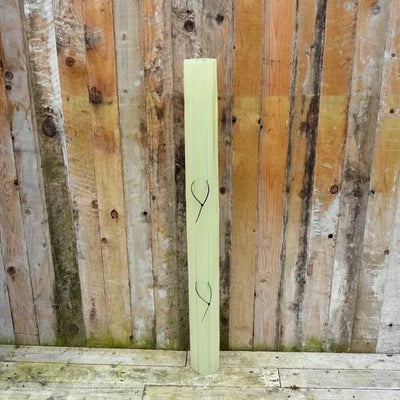
Bareroot, from November to April, while the tree is dormant. Stake a standard tree for its first two years.




 Sign In
 Saved items