PICK OF
THE MONTH
Welcome to the second edition of our newsletter which we hope you will find helpful. Lots of stuff here is pretty gentle really - in particular can we recommend hoeing while holding a drink in the other hand? There is nothing like fresh elderflower cordial (recipe below), with or without a bit of vodka! Having said which it is probably better to tie roses with two gloved hands and before that well earned in relaxing cocktail on the patio...
Fruit Trees
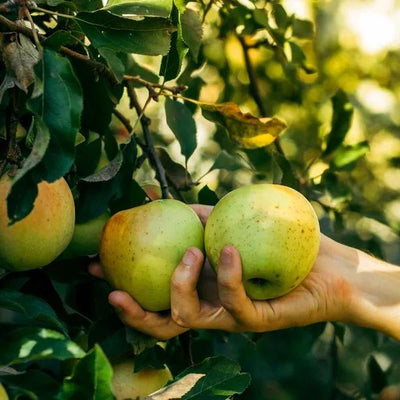
If you missed the winter planting season and want to get a headstart on next year's crop, you will find most of our top fruit range available more >
Trees
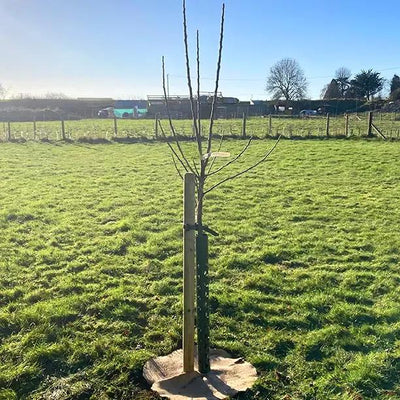
The planning for next year goes on - there are a couple of outstanding June plants that you might think about for next November. more >
A Garden is for Life... but it is GREAT in June!
Hopefully we are on track, bringing you handy reminders and tips about some of the more topical garden jobs at this time of year. Not too many plugs for our (or anyone else's) stuff with most of the links going to pages on other specialist web sites with good, clear, unbiased information. You should not find this too long, and if it jogs your memory about just one thing it has done its job. Having said which, if you have any suggestions, comments or questions please just drop us an email to newsletter@ashridgetrees.co.uk and we will do our best to either build it into this letter or just answer you individually
June is one of the best months to plant out pot grown hedging and other plants that come in containers, like POTTED FRUIT TREES. Probably (as Heineken would say) because no one can guarantee the weather, but the idea is that the ground is warming up and has some moisture left from the spring rains. Ideal conditions for quick and strong root establishment. Even so, your potted plants will need watering with some regularity during the summer. If prowling around with a hose is not feasible, you can either make or buy a hose that drips water from along its length to make life easy for you.
Some variegated plants are inclined to produce shoots that revert to single colour leaves. If so, they tend to do it in early summer, so June is a good month to cut reverting shoots out completely whenever you see them. Formal evergreen hedges should be clipped this month as well. Generally speaking, it is a good idea to prune flowering shrubs and hedge plants as soon as they finish flowering - as they waste energy setting seed. Deutzia and Philadelphus especially will like a trim soon. Keep an eye out for box blight if you have a box hedge. Check your roses for black spot and aphids and spray against both. If you are concerned that trees, hedging or large shrubs are supporting large number of aphids that continually re-infest your other plants, and you don't use sprays, then try natural insect predators to control them instead
If you missed the winter planting season and want to get a headstart on next year's crop, you will find most of our top fruit range available in our POTTED FRUIT TREES section, ready for delivery right away.
June is the time to prune stone fruit like cherries, plums and damsons. All of these trees are susceptible to silver leaf disease, which is spread between September and May, so you have to get any pruning done in early summer, giving the cuts plenty of time to heal. When pruning any tree, there is never any harm in using a product to seal the cut - gardeners of old used hot tar!
Most fruit trees (especially apples and plums) will drop some of their fruit, usually towards the start of the month. This is totally normal - your average apple tree only needs about 1 in 20 of its flowers to mature into ripe fruit for a good crop. After this "June drop event" has occurred, we recommend thinning the remaining fruit in order to improve the quality of the harvest and avoid any risk of overladen branches snapping. In most cases, cherries require little or no thinning. While we are on the subject, we recommend that you remove all fruit from trees that were planted last winter. The tree needs to put all its energy into developing strong roots and generally recovering from the stress of being transplanted - doing this will pay off in the long run.
Strawberries will be producing runners now. If they are classed as summer fruiting, most of their crop will be done by now and it is fine to start pegging these runners down to propagate more plants. If you have perpetual varieties, cut off the runners to save energy for the fruit. All berry canes (blackberries, raspberries and hybrid berries) will need to be tied onto their supports as they grow.
If you see the uppermost shoots of your fruit trees dying back, this could well be some form of canker (or bacterial canker in the case of stone fruit). Prune out these shoots, disinfecting the tools with Dettol in between each cut. Gooseberry Sawfly caterpillars may well be around - the best way to deal with them is to pick them off by hand. Pears and cherries may be affected by slugworm (which are like small slugs that graze the top surface of the leaves) - spray these with bifenthrin. Mildew can affect any fruit tree and is best sprayed with a fungicide although it usually attacks weaker trees that are under stress (very often from a lack of water) so it can be dealt with in the long term by soil improvement.
Tamarisk
(Tamarix
tetranda) is a fairly unique looking shrub - with branching stems that
are covered in tiny coral like buds during spring. These turn into sprays
of delicate, feathery plumes of ice cream pink florets in June. It is great
for
dry spots and coastal areas (particularly where the wind blows as it is much
tougher than it looks. Philadelphus
Belle Etoile (Mock Orange) is an extremely easy plant to please and looks
wonderful for a good couple of months if you deadhead the flowers as they fade.
The large, simple white flowers have a colourful centre and exude a deliciously
honeyed orange scent.
Sowing: By sowing leafy salad plants in intervals throughout the summer, you will create a continuous crop of salads until the weather turns cold in autumn. If the weather is dull you can use cloches to speed things up and protect your plants from insects (oriental vegetables like Pak Choi are especially prone to flea beetle attack). Sow turnip seeds for an autumn harvest.
Things to Plant Out: Runner Beans and Tomatoes are good to plant now. If your early beans are ready to harvest, cut down the main stem but leave the roots in the soil - they will continue to fix nitrogen for the rest of the summer.
Elderflower cordial recipe: Elderflowers (from the Common Elder, Sambucus nigra) are really flowering now and will be over in a couple of weeks so if you have not already, get mixing.
Your early strawberries will be fruiting now, why not some pick and eat they while they are a) less than five minutes old and b) while you are watering your blueberries, raspberries, loganberries etc etc?
Catalogue Request Contact us Send to a friend Shop
Watering
Water establishing plants during dry spells.
Roses
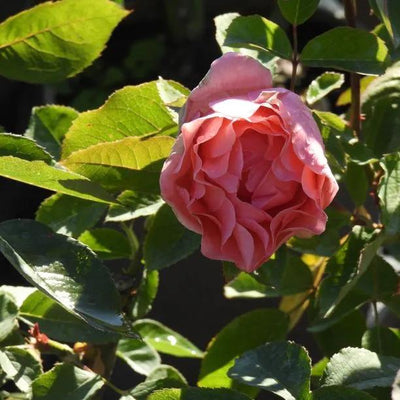
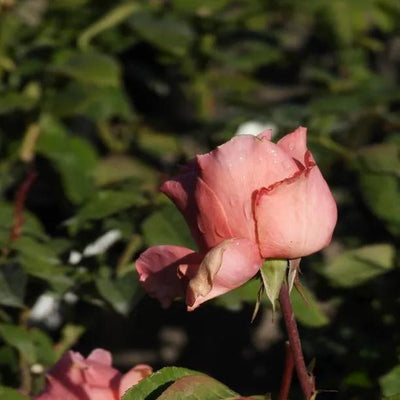
Tie in climbing / rambling rose shoots, horizontally if possible, to slow sap flow & encourage side shoot growth and more flowers. Deadhead anything that doesn't have showy winter fruits or seeds.
Lawns
Mow the lawn at least once a week - remember that frequent cutting really hurts the more pernicious perennial weeds like dandelions and plantains. You can produce an immaculate lawn just by cutting frequently. Trim the lawn edges and use a liquid feed if your grass looks tired - water new lawns well.
Ponds
If your pond is overcrowded and you were busy in May it is not to late to divide overgrown pond plants and remove any decaying stuff. If you have a new pond, now is a good time to bring in new fish and plants as necessary. Make sure you know how to safely introduce fish to a new pond.
Weeding
Warm June days are perfect to go round the garden with a hoe. Cut weed roots and let them dry out in the sun before getting rid of them. Compost them if they have not seeded remember "One year's seeds is seven years weeds" (Anon)
Water Plants in Containers
Keep watering and deadheading hanging baskets. Let geraniums almost dry out before watering - they flower better.
Check Stakes and Ties on your Trees (again)
May was a windy month this year, so check and firm down any recently planted trees or shrubs that may have loosened.
Fruit
After the June drop, thin out overcrowded fruit and lessen the load on overladen branches of established fruit trees. If you planted your fruit trees between November 2008 and March 2009 then it is best to remove all fruit now (yes, all of it) so they can establish fully before cropping in 2010.