PICK OF
THE MONTH
Welcome to the May edition of our newsletter which we hope you will find helpful. We know that a garden's need for attention is never ending and that jobs sometimes just seem to multiply, but you can save yourself a lot of bother by doing certain things at the right time - the intention of this letter is to remind you......
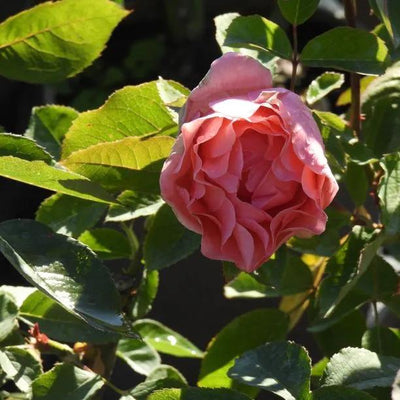
Hedging
You may be delighted to hear that there isn’t really any digging to be getting on with at the moment... more >
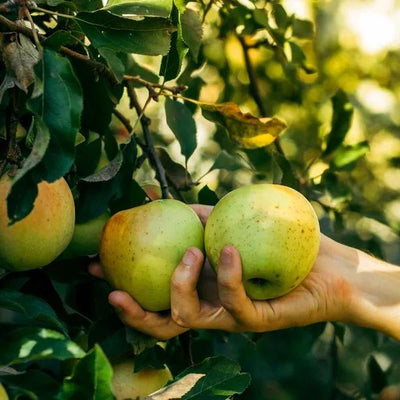
Fruit Trees
Make sure that anything that you planted last year gets watered during dry weather and, if possible, only use rainwater on blueberries. more >
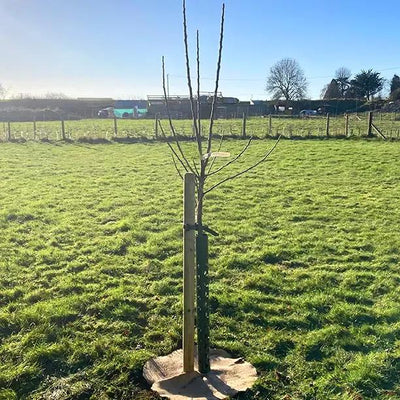
Trees
The tree planting season may be over, but that doesn’t mean that you can’t plan ahead for next November. more >
A Garden is for Life, not just for Summer!
Welcome to the first edition of our newsletter! Every month we will be bringing you handy reminders of the most useful garden jobs to get done so that you never miss the season for planting, pruning or picking something again, as well as the special offers that we get to hear about from a wide range of horticultural suppliers, inspiration for beautiful plants that are in season as well as some trivia and funny stories to brighten up your day. To make each newsletter convenient for experts and beginners alike, we aim to keep them brief - simply click on any red highlighted words that you want to read a more detailed article about.
You
may be delighted to hear that there isn’t really any digging to
be getting on with at the moment – the bareroot season is finished
and the optimum time for planting out potted plants starts in
June, when the ground has really warmed up. If you are planning
on using pot grown plants this year, think carefully about whether
you need to prepare the soil and, if you do now is a good time.
Hedge plants and shrubs that have finished flowering, like Forsythia,
should be trimmed now (Shrubs like Choisya
and Viburnum
tinus will also lose their flowers soon, trim them as soon
as they do). This will give this season’s new growth time to mature
and put on a good display next year. Evergreen hedging should
be given a light trim to keep it in shape and, towards the end
of the month, pick a cloudy day to trim your box
hedging. The Lavender planting season is almost here and now
is a good time to get your order in and make sure that you get
the varieties that you want - all our lavender
plants are grown true from cuttings are in 1 litre pots and
will flower this summer.
If you planted a hedge last winter, you must water it during dry spells - frequently if your soil is on the light and dusty side. If you are concerned about your new plants drying out, erecting a windbreak will help them along and you can also mist the foliage on hot days. Mulch also works wonders to trap soil moisture and, unless you used a mulch mat when you planted your hedge, this is a good time to lay down some well rotted compost, manure or even grass clippings - just make sure that it doesn't smother your plants. Dogwoods and Willows are often grown for their brightly coloured young bark. To keep it coming thickly every year, you need to cut them right back (to about 15cms or 6") – May really your last chance to do this.
Make
sure that anything that you planted last year gets watered during
dry weather and, if possible, only use rainwater on blueberries
(tap water tends to be alkaline so will reduce the acidity of
the soil and impair the flavour of the fruit). Now that is nice
and sunny outside, build
cages around your soft fruit to protect them from birds. BTW
now is also the time to put a 2 foot high screen of muslin around
your carrots to keep carrot flies off them. New growth on trained
plants such as raspberries and blockberries should be getting
long and strong enough to tie in this month - use your judgement
to tell you when it is ready.
This is the month where pests can get out of hand, so here is a checklist of the most common problems, with links to some of the best advice on the web about what to do about them. When it comes to slugs, aphids, mealy worms and spider mites, we recommend using insect predators to control them - these are very effective if used correctly and, by bolstering the local population of helpful insects, give the most lasting protection. Gardening Naturally has an arsenal of insect allies, as well as other handy equipment to keep your kitchen garden safe. Remember - no garden is 100% pest or disease free, there will always be something suspicious going on. The important thing is not to worry - though the lists of possible problems might seem daunting, this is because it is always best to identify an issue correctly and early on, so that you can deal with it effectively, not because every gardener will have to deal with everyone one of them! Generally speaking, if you do all the normal things that keep a plant happy (like watering and feeding it!) it will have a much higher chance of staying healthy as well.
Aphids will cause leaves to blister and become distorted - soft fruit bushes tend to be the most targeted. Lacewings and Ladybird larvae are the best controls to use - water sprayed at high pressure will also knock aphids off and they hate soapy water. Gooseberry Sawfly caterpillars can afflict currants as well - tackle them early. Blackcurrant big bud mite is most easily observed in winter - if you have infected plants then you must pull them out and burn them now. Codling Moth can affect apples and pears, as well as quinces and walnuts - pheromone traps will catch male moths, which provides some protection and (if you catch lots of them) tells you that you are at risk. Use a nematode spray to kill the caterpillars. Pear leaf blister mite causes pinkish pale green patches on the foliage - simply cut off and burn affected leaves. Vine Weevil grubs can be a big problem for plants in containers - fortunately, nematode control works very well.
Botrytis (tends to go for strawberries, raspberries, gooseberries and plants grown under glass, where ventilation is poor), Mildew (affects many plants, including apple trees) and Scab (which is usually associated with apples and pears but can also attack cotoneasters, rowans and hawthorn) are three common diseases that are all coming into season. They are all easy to spot and there are plenty of ways to prevent them so that they don't become a serious issue. All three diseases thrive where air circulation is poor and plant resistance is low - look for ways to get a stronger breeze in your garden and more food to your plants if these are recurring problems for you.
The tree planting season may be over, but that doesn’t mean that you can’t plan ahead for next November. Now that everything is getting into its stride, with flowers and fresh foliage everywhere, there are plenty of great looking trees to get excited about, so we have chosen these plants for their beauty and because they are really easy to grow: Midland Thorn, Crataegus laevigata Rosea Flore Pleno: Is covered in small, pink, rose-like flowers and is a great tree for attracting bees and butterflies. Bird Cherry 'Watereri': Extravagant cones of small white flowers explode from the base of each group of new leaves, making this tree one of the real highlights of May. Lilac: With its lush foliage, abundant rich purple flowers and unique scent, Lilac is almost a must for anyone with a well-drained site.
Things to Sow: Chard, Spinach and Spinach Beet (a.k.a. Leaf Beet) , Runner and French Beans.
Things to Plant Out: Leeks, Marrows & Courgettes, Sweetcorn, Brussel Sprouts & other Brassicas
Elderflower cordial recipe: Depending on your area, elderflowers (from the Common Elder, Sambucus nigra) will be coming into season during this month and the beginning of June.
Your strawberries will be producing runner shoots - remove them to conserve energy for the fruit and put straw under any developing strawberries. Remove the young leafy tips of broad beans to discourage blackfly.
Catalogue Request Contact us Send to a friend Shop
Watering
Keep an eye on all trees and shrubs that you planted last year and give them a good drink if the weather turns dry.
Mulch
The soil has warmed up now, so spread some mulch around after a rainy spell, especially around newly planted trees – take care not to actually touch their trunks though.
Lawns
Stay on top of your lawn with general advice from Qualcast and, if you are keeping a green, Dennis Mowers.
Ponds
Scrape off duckweed and use a stick to remove blanket weed in the evening - let it sit on the edge of the pond for a night before putting it in the compost. Thin out overgrown plants, use aquatic fertiliser if necessary and feed the fish every other day.
Weeding
Dig out and burn nettles and brambles (don’t put them on the compost heap or they will be back!). Remove annual weeds by hand now, before they get a chance to flower and spread their seeds, and lightly fork over any bare soil in your beds.
Water Plants in Containers
Hanging baskets are especially exposed and can need watering twice a day.
Check Stakes and Ties on your Trees
After strong winds, make sure that ties have not snapped or come loose and hammer any wobbly stakes back in – you may need someone to gently hold the tree back while you do this.
Fruit
If you are covering up your soft fruit with a cloche or tunnel, it is important to uncover them on sunny days for two reasons – the ventilation will reduce the risk of mould and pollinating insects will need access to the flowers when they open.