



Sold as:

from £10.95

Sold as:
from £19.99
 5 Star Service Rating




 Secure, One-Tap Checkout
 5 Star Feefo Rating
 Hand Picked, Delivered to Your Door!1 Year Bareroot Guarantee
 Platinum Trusted Service Award 2026
 Mail Order Plant Experts - Est. 1949
 1 Year Bulb Guarantee




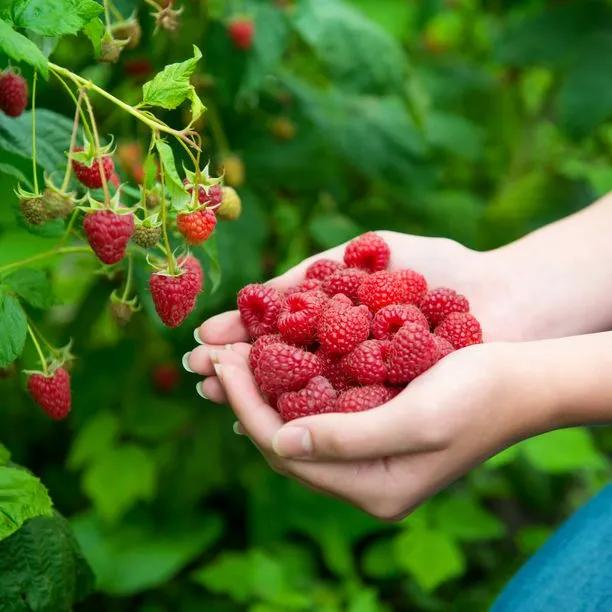
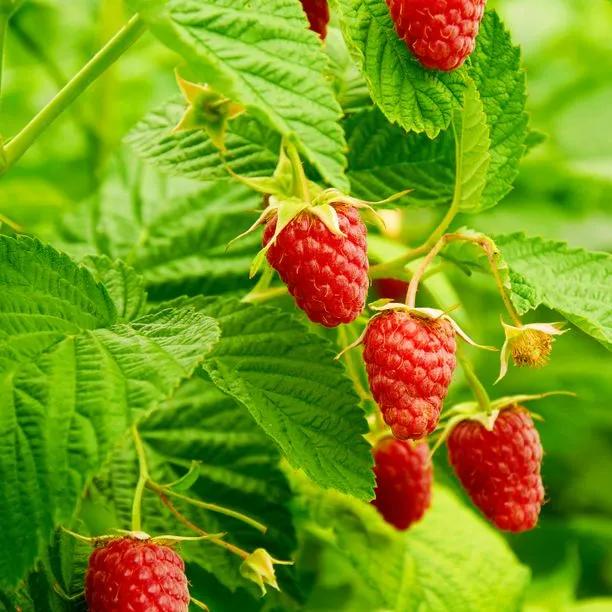
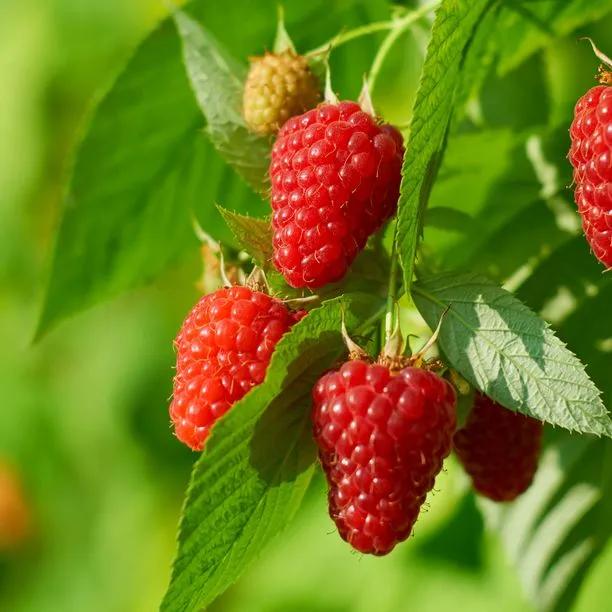




Tulameen is a late summer Raspberry with large, conical, very sweet berries on upright canes without spines, picked over a long season from mid July. It holds the RHS Award of Garden Merit, and our canes are UK grown and certified virus-free.
Tulameen is the supermarket's favourite, and supermarkets know a bright, glossy, firm, wet-weather-resistant raspberry when they see one.
But you'll never taste a berry in the shops as good as one you eat straight off the branch at home.
It's a late-cropping summer raspberry, which means it starts producing berries in mid July, and carries on fruiting until mid to late August, so the perfect partner to an earlier season variety and an autumn one, and you'll find plenty of those in our full list of raspberries.
Another good reason to choose Tulameen is that it sends out nice long lateral shoots, on which the distinctive conical fruit ripen, which makes picking so much easier, and there are hardly any thorns.
This tall variety will do well in a sunny spot in the garden, or even in a good-sized pot if you haven't the room elsewhere. For a steady harvest of raspberries from mid June to the end of autumn, plant Tulameen with an early variety such as Malling Promise, and an autumn one such as Polka. Then harvest the sweet fruits and use them in classic English desserts such as pavlovas, fools and jellies, or make a batch of jam. If you have a glut, there's no need to worry as Tulameen will freeze well. Like all raspberries, it needs good, moist soil to thrive (extremes of dry or damp aren't to their liking), so ideally dig in plenty of well-rotted manure or compost before planting. You'll need to fix them to horizontal wires and, like all summer-fruiting raspberries, cut down fruited canes to the ground in November. Leave the new canes that have yet to bear fruit, thinning them out to 20cm apart, getting rid of any that are thin or weak. In line with general practice, all our raspberries are delivered with last year's growth cut back to 45-60cm, so summer raspberries may only bear a few berries in the first summer, then many more the year after.
Bred in 1980 by Dr Hugh Daubeny (1931-2015) for Agriculture and Agri-Food Canada at the Pacific Agriculture Research Center in British Columbia, and released in 1991.
The parents are 'Nootka' and 'Glen Prosen'.
Tulameen is the Nlaka'pamux native word for "red earth", referring to the ochre clay deposits in the Tulameen river area of south central British Columbia.
Therefore, summer fruiting raspberries will bear few, if any, berries in the Summer following planting. Their first full fruiting season will be in the year after.
Plant a run of varieties and you pick for months. Malling Promise and Glen Ample come before Tulameen, Octavia closes the summer, and an autumn type such as Polka or Joan J takes over from there. Dust the roots with Rootgrow as you plant.
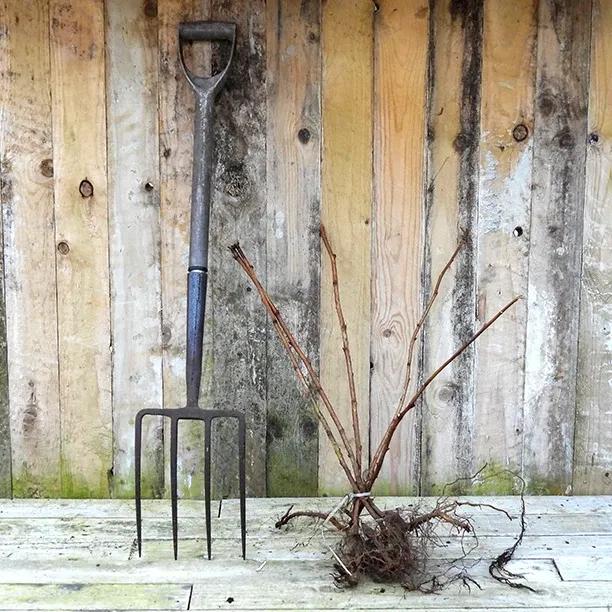
Ashridge has sold plants since 1949 and is a Which? Best Plant Supplier 2025. Your Tulameen canes are UK grown and certified virus-free, lifted to order while dormant and guaranteed for 12 months. Plant them between November and April, and they will establish readily.
From mid July to late August. It is a late summer variety with a long picking season, so it follows the early and midsummer Raspberries and runs on towards the autumn ones.
Few, if any. Your canes arrive cut back to 45 to 60cm, and a summer Raspberry fruits on the canes it grew the year before. The first full crop comes the year after planting.
As a summer fruiting Raspberry. Cut all the fruited canes down to the ground in early to mid autumn, and tie in the new ones.
Yes. The canes reach 1.5 to 2.5 metres, and Raspberries grow best in rows between parallel wires. Put up posts and wires when you plant.
Near enough. The canes are spine-free, which makes picking and tying in much easier on the hands.
Moist, well-drained loam or sand that is acid to neutral, in full sun with some shelter. Mulch with acidic material such as composted bark.
Bareroot only, from November to April, while the canes are dormant. You can order at any time of year and your canes are lifted and sent once the season opens.


 Sign In
 Saved items