


Sold as:

from £6.99

Sold as:
from £19.99
 5 Star Service Rating




 Secure, One-Tap Checkout
 5 Star Feefo Rating
 Hand Picked, Delivered to Your Door!
 1 Year Bareroot Guarantee
 Platinum Trusted Service Award 2026
 Mail Order Plant Experts - Est. 1949
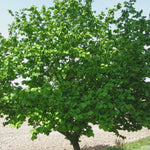
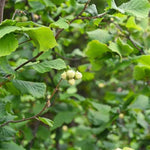





Hazel, the wild Cobnut, is a superb, naturally bushy hedge plant with pretty, rounded, slightly serrated green leaves. Come the autumn, it forms the palest green hazelnuts, tightly held in an Elizabethan green lace ruff. In late winter or early Spring, the male part of the plant produces resplendent, fluffy yellow catkins which dangle decoratively along the hedge. It grows at a cracking rate, gaining about 45cm every year. If grown separately hazel trees will reach about 10 m.
Browse our range of hedging plants.
Delivery season: Hazel hedge plants are only delivered bareroot during late autumn and winter, approximately November-April inclusive.
Choosing a size: Small plants are cheaper and all-round more convenient for hedges, and will tolerate sub-par aftercare better than larger plants.
If instant impact is your priority, or if you're only buying a few plants for ornamental use, then you may as well use bigger ones to save yourself waiting for a year or two.
All our hedge plants are measured by their height in centimetres above the ground: the roots aren't measured.
They're wonderfully easy going, ignoring even waterlogged soil or deep shade (both might be too much together, but the survival rate for 100 hazel planted in the wet shade will be non-zero), they'll thrive on chalk, and acidic soil is fine. The only place Hazel won't grow is on the coast.
After its first prune immediately after planting (as always with country hedging), it needs little encouragement to thicken out and form a dense screen.
Spacing a Hazel hedge: Standard country hedging: plant at 3 per metre, 33cm apart in a single row, or 6 per metre in a staggered double row, which has a W shape viewed top-down.
Hazel is a superb hedge plant, and interesting enough to be used as a specimen tree in a park or along a drive.
If your hazel is to be for cropping, you should brut your hazel's branches by snapping, without breaking off, the ends of all the new shoots that were made this year. Count up to six or seven leaves on the new shoot from where it comes out of the older wood and crimp the shoot there by bending it over.
Note that hazel tends to crop poorly on fertile soils.
A pure hazel hedge is a thing of beauty and practicality in its own right. Grow it to be laid for fences, or just trimmed to the correct height - every other year is fine, and better for wildlife.
Because it supports so much wildlife and is resilient as anything, it's ideal for a range of mixed hedging uses. Its golden catkins delight beekeepers, as hazel pollen ripens early in the year.
You can coppice hazel to produce lovely, bendy withies or stakes for use in the garden: perfect for making decorative arches or wigwams to grow gourds, runner beans, or sweet peas over.




 Sign In
 Saved items