
Sold as:

from £10.95

Sold as:
from £19.99
 5 Star Service Rating





 Secure, One-Tap Checkout
 5 Star Feefo Rating
 Hand Picked, Delivered to Your Door!1 Year Bareroot Guarantee
 Platinum Trusted Service Award 2026
 Mail Order Plant Experts - Est. 1949
 1 Year Bulb Guarantee




Cosford is a Cobnut grown for the quality of its nuts: sweet kernels in a thin shell that cracks easily, ready from late September. It is sold as a cropping bush on a short trunk, needs a second Hazel variety nearby, and returns the favour as one of the best pollinators.
Cosford is a "quality over quantity" variety, probably the most widely cultivated hazelnut for harvesting, and the plants on this page are grown as cropping trees on a short leg or bush trunk, not as hazel hedging. They have a relatively easy to crack shell.
Hazels have nice Autumn colour and pretty yellow catkins on the bare branches in winter, which open around February as an early food source for bees.
Browse our nut trees, fruit trees, or ornamental garden trees.
Delivery season: Hazelnut trees are delivered bareroot from late autumn to early spring, November to April.
Hazelnuts crop best in full sun or light shade on quite light or rocky soil with moderate-to-low fertility.
Rich, fertile soil will encourage more woody growth, not fruit.
Suitable for large containers designed for trees.
Hazelnuts can be eaten when they're still green, or stored to dry and turn brown for the best flavour.
Hazel is usually not self fertile and requires a pollination partner, because the male catkins and female flowers on a given plant tend to open at different times.
However, Hazel is such a common tree and hedge plant in the UK that there is almost always a local partner, but to ensure full pollination you can use any other hazelnut: we recommend the lovely purple Filbert.
Cosford itself is an excellent pollinator for other varieties.
A Cobnut is any cultivated variety of the common hazelnut, Corylus avellana, so a "Cosford Hazel" and a "Cosford Cob" are the same thing.
In some areas, Cobnut used to refer specifically to the fresh nuts rather than the dried, but these days it's less common to eat fresh hazelnuts, unless you happen to be a squirrel, so the distinction is no longer significant.
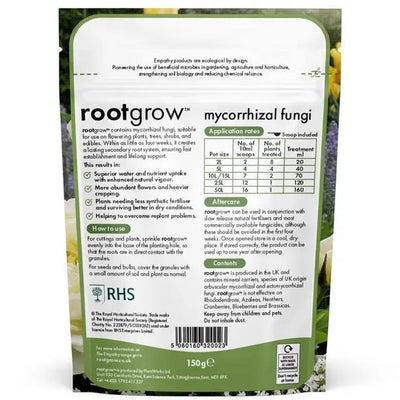
Cosford needs pollen from another Hazel. The Purple Filbert, linked above, is the ornamental choice, and a few plants of Common Hazel in a nearby hedge do the job as well. Under the tree, Wood Anemones are at home, but keep a clear circle of about 60cm round the trunk so that you can find the fallen nuts. For the background, read why I love Hazelnuts, or should that be Cobnuts. Dust bareroot roots with Rootgrow as you plant.
Ashridge has sold trees since 1949 and is a Which? Best Plant Supplier 2025. Your Cosford Cobnut comes as a bareroot tree, lifted to order while dormant and guaranteed for 12 months. Plant it between November and April, and it will establish readily.
Yes. No Hazel is fully self-fertile. Cosford sets far more nuts with another variety within pollen reach, and it is one of the best pollinators for them in return.
Cosford grows 2.5 to 4 metres tall and wide. For nuts, it is grown as an open, goblet-shaped bush on a short trunk.
Expect light crops after 3 to 4 years and full crops after 6 to 7. The nuts are ready from late September into October.
In two stages. In August, snap the long new sideshoots half through and leave them hanging, which is called brutting. In late winter, as the catkins shed pollen, shorten those shoots to three or four buds.
A Cobnut. It is listed as Corylus avellana 'Cosford Cob', a cultivated form of the Common Hazel.
Yes. It grows well in chalky soil, in sun or partial shade.
Bareroot only, from November to April, while the trees are dormant. You can order at any time of year and your tree is lifted and sent once the season opens.






 Sign In
 Saved items