



Sold as:

from £10.95

Sold as:
from £19.99
 5 Star Service Rating




 Secure, One-Tap Checkout
 5 Star Feefo Rating
 Hand Picked, Delivered to Your Door!1 Year Bareroot Guarantee
 Platinum Trusted Service Award 2026
 Mail Order Plant Experts - Est. 1949
 1 Year Bulb Guarantee
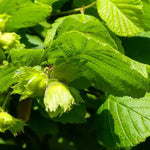
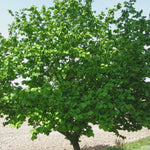
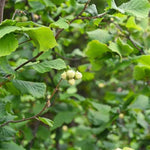




Hazel hedging (Corylus avellana) is the country hedge rather than the formal one — a thornless, shade-tolerant native that grows around 45cm a year, copes with almost any soil including genuinely damp ground, and is the single most-used ingredient across our mixed native hedging packs.
Hazel is naturally bushy from the base rather than growing into a single trunk, which is exactly what a good informal hedge wants — it fills out low down without the gappy bottom that troubles hedges left unclipped. It tolerates shade better than most native hedging, handles damp ground that would rot out drier-loving species, and shrugs off any soil short of the truly acid or truly waterlogged. The one place it struggles is directly on the coast, where salt and wind take their toll.
Coppice it — cut it back hard to the base in winter — and it regrows strongly rather than sulking, which is why hazel has been managed this way in Britain for centuries and can genuinely outlive an uncoppiced tree several times over.
Britain's hazel dormouse is named for this plant and depends on it directly: hazelnuts fatten the dormouse for hibernation, while the spring leaves host the caterpillars it hunts through the rest of the year (PTES). A hazel hedge left to flower and fruit properly is one of the more direct ways a garden can support a genuinely declining native mammal.
The plant runs deep into folklore too — in Celtic tradition hazel was the tree of wisdom and divination, the wood of the dowsing rod and the "nut of knowledge" (Woodland Trust). Coppiced hazel built rural Britain in more practical ways: thatching spars, hurdles, wattle for wattle-and-daub walls, and net stakes all came from managed hazel stands (Woodland Trust). A hazel tree left alone lives around 80 years; coppiced, it can live for several hundred — cutting it down, repeatedly, is what keeps it alive.
Hazel is hedging's great mixer — it's a constituent of every one of our mixed native hedging packs, more than any other species we sell. It pairs constantly with hawthorn, its most frequent partner in the wild and in our own mixes, and with blackthorn in the classic country matrix. If you'd rather buy a ready-made scheme, our mixed conservation hedging pack builds hazel in alongside its usual companions. For extra spring interest at the hedge foot, our naturalising daffodils flower before hazel leafs up. Browse the full hazel hedging range.
Ashridge hedging is grown under contract by specialist UK growers, to our own specification — never surplus stock diverted from elsewhere. We're one of the UK's largest sellers of bareroot hedging, so stock is lifted to order and moves fast. Bareroot hazel is guaranteed to grow for 12 months, correctly planted and cared for.
Yes — cut it back hard to the base in winter and it regrows strongly. This is traditional management for hazel, and a coppiced hazel can live for several hundred years rather than the roughly 80 years it manages left uncut.
Yes to both — hazel is more shade-tolerant than most native hedging and copes well with genuinely damp soil. It's less happy on very acid ground, permanently waterlogged sites, or directly on the coast.
Yes — hazel is thornless and not toxic, making it a safe choice near grazing animals, unlike thornier or more toxic hedging species.
All of them — hazel is the most widely used constituent across our entire mixed native hedging range.
3 per metre in a single row, or 6 per metre in a staggered double row for a thicker, faster-establishing hedge.
Yes, notably the hazel dormouse — the nuts fatten it for hibernation and the spring leaves feed the caterpillars it hunts. Catkin pollen is also among the earliest food sources for bees each year.




 Sign In
 Saved items