The case for deciduous hedging
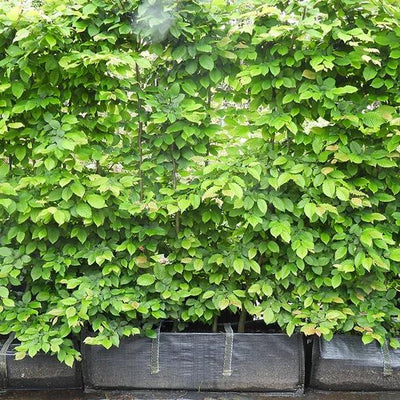
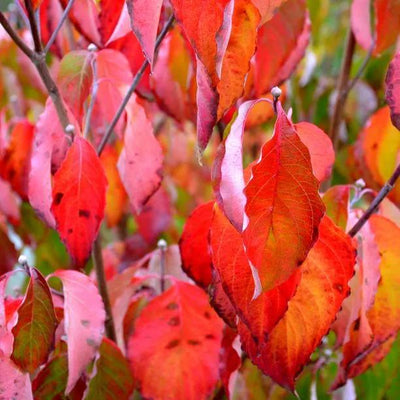
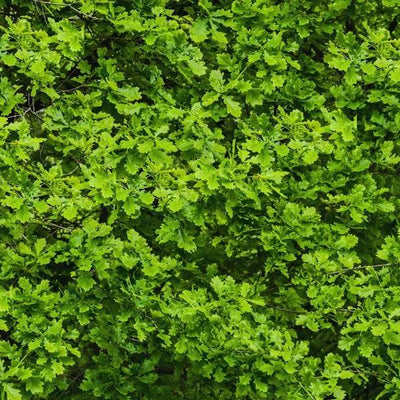
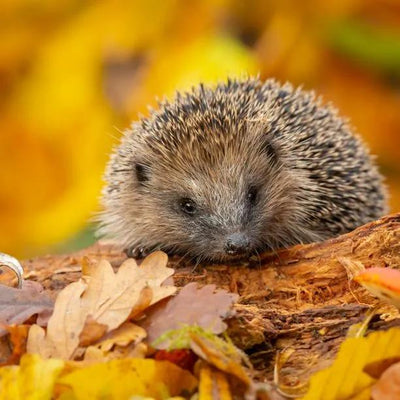
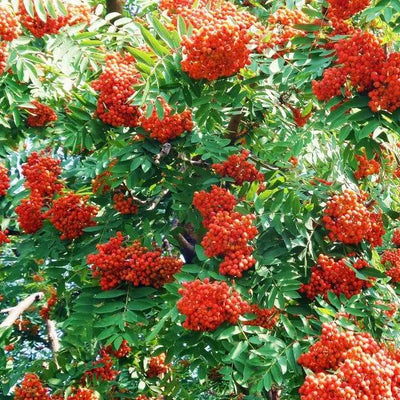
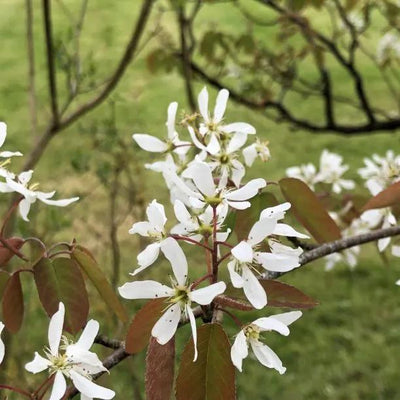
Yes, a deciduous hedge drops its leaves in winter – and no, that needn't be a problem. What you lose in winter cover you more than gain in seasonal drama: the fresh lime-green of new beech leaves in spring, the full billowing green of summer, the extraordinary fiery golds and coppers of autumn, and then – rather beautifully – the tracery of bare stems through the winter months, often studded with berries that the birds will thank you for. It's a hedge that genuinely earns its keep, season by season.
The best deciduous hedging plants
Beech (Fagus sylvatica) is perhaps the nation's favourite for good reason – it holds its rich, russet-brown leaves well into winter, giving you far more privacy than you might expect from a technically deciduous plant. Elegant, classic and reliably magnificent.
Hawthorn (Crataegus monogyna) is the great British native – tough as old boots, covered in frothy white blossom in spring, and absolutely beloved by birds and insects. One of the finest wildlife hedges you can grow.
Hazel (Corylus avellana) brings structure, catkins in late winter, and the occasional bonus of nuts. Lovely in informal and country garden settings.
Field Maple (Acer campestre) offers brilliant autumn colour and responds beautifully to clipping. A versatile and underrated choice.
Blackthorn (Prunus spinosa) – fierce, impenetrable and smothered in white blossom before the leaves even appear. If you want a hedge that keeps things out as well as looking wonderful, blackthorn is your plant.
Planting & care
Bare-root deciduous hedging is best planted between November and March, when the plants are dormant. This is also the most economical way to buy – and bare root plants establish with remarkable vigour, often outpacing pot-grown alternatives within a season or two. Plant into well-prepared soil, mulch generously, and water in dry spells during the first year. Most deciduous hedges are best clipped once or twice a year – but do bear in mind that between March and August is nesting season, so hold off on any hard cutting until late summer at the earliest. The birds will be most grateful.
How many plants do I need?
As a general rule, plant deciduous hedging at 3 plants per metre for a single row, or 6 per metre for a staggered double row. If you're after a thicker, more natural country-style hedge, a mixed native mix planted in a double staggered row is hard to beat – and brilliant for wildlife.
Prefer something that keeps its leaves year-round?
If year-round privacy and evergreen structure is what you're after, do take a look at our evergreen hedging collection. From the stately formality of yew to the glossy exuberance of laurel, there's an evergreen hedge for every garden and every purpose.
All our hedging plants are grown and despatched from our nursery in Somerset, delivered by 24-hour courier with our 1-year bare root guarantee (terms and conditions apply) and expert advice whenever you need it.


 Sign In
 Saved items



 5 Star Service Rating




 Secure, One-Tap Checkout
 5 Star Feefo Rating
 Hand Picked, Delivered to Your Door!
 Platinum Trusted Service Award 2026
 Mail Order Plant Experts - Est. 1949
 1 Year Bulb Guarantee