

Sold as:

from £10.95

Sold as:
from £19.99
 5 Star Service Rating




 Secure, One-Tap Checkout
 5 Star Feefo Rating
 Hand Picked, Delivered to Your Door!
 1 Year Bareroot Guarantee
 Platinum Trusted Service Award 2026
 Mail Order Plant Experts - Est. 1949
 1 Year Bulb Guarantee
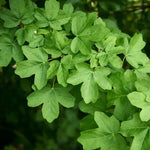
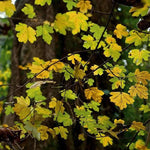





Field maple hedging (Acer campestre) is Britain's only native maple, and one of a handful of thornless plants that go into our mixed country hedges. It clips into a dense, twiggy, near impenetrable hedge at whatever height you keep it, copes with chalk and exposed sites that trouble other plants, and is a safe choice beside gates, paths and anywhere children play.
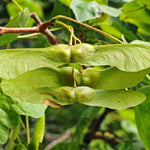
Field maple is the only maple that grows wild in Britain, found in ancient woodland and hedgerows across England and Wales, especially on chalky ground. The small, five-lobed leaves are bright green through summer and turn a buttery yellow in autumn, sometimes flushing red, and the bark develops a corky, ridged texture with age that adds interest through winter. Left to grow as a tree it can reach around 20m, on the Woodland Trust's figures, with a lifespan of up to 350 years, but as a hedge it's kept at whatever height suits the site, coppicing back every 5 to 10 years if it starts to outgrow its space. It's good for wildlife too: around 15 species of moth and butterfly caterpillar feed on the leaves, and the winged, helicopter-style seeds feed tits, finches and most garden rodents.
Its dense, twiggy growth is what makes it such a good hedge plant: it clips to a tight, thick face and, being thornless, it's comfortable to work beside without a scratch. It takes chalk, clay, loam and sand, including thin chalky soils where many other hedging plants struggle, and it's drought tolerant once established, so it copes well on exposed sites where other hedging sulks. Pair it with hawthorn and blackthorn for the security a thorny hedge provides; field maple is thornless, like dogwood and the guelder rose and wayfaring tree we also sell, and softens a thorny mix without weakening it.
Cut a field maple hedge in spring or autumn, or in summer if it needs it. Some general tree pruning advice suggests avoiding cuts outside late autumn and midwinter, to reduce sap bleeding, but that guidance is written for large standard trees, not hedges. Field maple is one of many hedgerow plants that bleed a little when cut, and Britain's hedgerows, which contain a great deal of field maple, are trimmed on exactly this basis every year without harm.
Field maple is thornless, one of several plants that soften a thorny mix without weakening it: dogwood, guelder rose and wayfaring tree do the same job elsewhere in our range. It's a constituent of our thornless hedging pack and our livestock-friendly hedging pack, since it carries no risk to grazing animals. Browse the full native hedging range to plan a mixed scheme, or the wider hedging range.
Want a bigger, ready-grown specimen instead of a hedge? Buy larger field maple trees for instant impact, or browse our wider range of maple trees.
Ashridge hedging is grown under contract by specialist UK growers, to our own specification; never surplus stock diverted from elsewhere. We're one of the UK's largest sellers of bareroot hedging, so stock is lifted to order and moves fast. Bareroot field maple, planted and cared for correctly, is guaranteed to grow for 12 months. Established 1949.
Yes: it's Britain's only native maple, found wild in hedgerows and ancient woodland across England and Wales, especially on chalky soils.
For a single row, plant 3 per metre, roughly 33cm apart. For a thicker or grant-compliant hedge, use a staggered double row at 6 per metre.
Spring or autumn, or summer if it needs it. Field maple is an ordinary hedgerow plant and is cut on that basis; there's no need to wait for a narrow winter window.
Yes, better than most hedging in fact. It's one of the few plants that thrives on thin, chalky soils where other species struggle, and it's equally happy on clay, loam or sand.
Yes. Field maple carries no risk to grazing animals, unlike some of its relatives, and it's a constituent of our livestock-friendly hedging pack for exactly that reason.
Same plant, two forms. This page is young, bareroot hedging stock that you clip to whatever height you want. Our field maple trees are larger, trained as a single specimen and left to grow to their full height rather than clipped as a hedge.



 Sign In
 Saved items