Sold as:

from £10.95

Sold as:
from £19.99
 5 Star Service Rating




 Secure, One-Tap Checkout
 5 Star Feefo Rating
 Hand Picked, Delivered to Your Door!
 1 Year Bareroot Guarantee
 Platinum Trusted Service Award 2026
 Mail Order Plant Experts - Est. 1949
 1 Year Bulb Guarantee
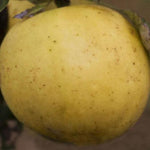
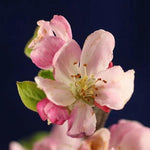





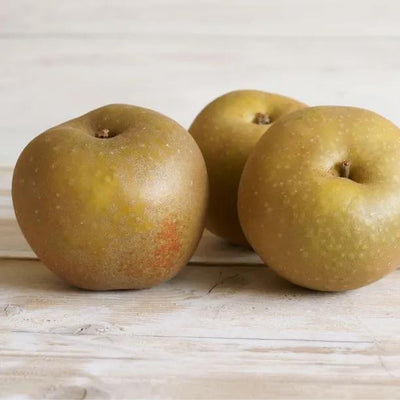
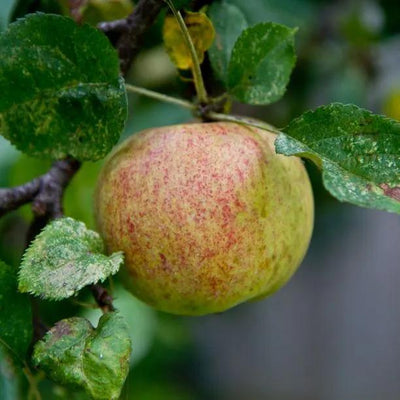
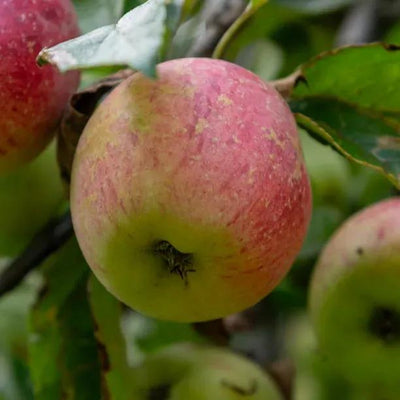
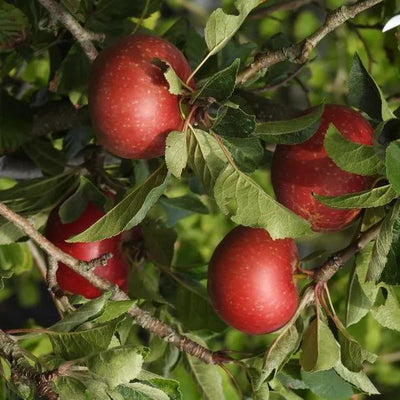
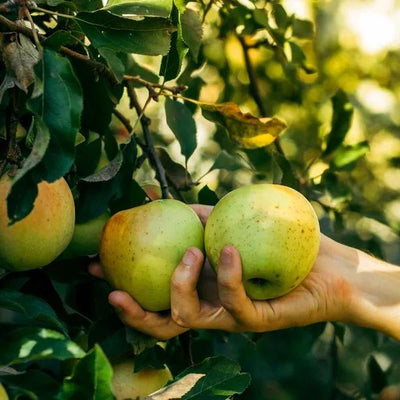
The Early Victoria apple tree (also known as Emneth Early) produces an early season cooking apple.
Read our guide to buying the right apple tree, browse our range of apple trees or see the full variety of fruit trees.
These are quite small fruit, but they make up for it with heavy crops. They're also one of the first cooking apples to crop each year. After baking, they have a loose, soft texture, similar to a Bramley, with a milder flavour that is still tart and sweet at the same time. We think that they're best eaten with raisins or sultanas and butter in the centre, straight from the oven. They're also delicious in any meat or vegetable main course, usually as a puree or sliced if the dish is being grilled.
These apples are radiant light green during growth, usually turning a rustic pale yellow when ripe.
This an all round reliable tree with lovely blossom. It generally crops well, but it can develop a bit of a biennial habit.
Rootstocks:
All of our Early Victoria trees are grown on MM106 rootstocks, except for the cordons, which are grown on M9 rootstocks.
Pollination Partners for Early Victoria:
Your trees are partially self fertile and their flowers must be pollinated to make good crops.
Early Victoria is in pollination Group C.
This means that they'll cross-pollinate with other apple trees in pollination Groups B, C and D.
See our Guide to Apple Tree Pollination for a full list of partners & more tips about pollination.
Early Victoria Disease notes:
Disease resistance: Scab, Canker.
History & Parentage:
Mr Lynn of Emneth, Cambridgeshire, crossed Lord Grosvenor and Keswick Codlin in the late 1890's, so the early crops would have been some of the 20th century's first new fruit. Codlins are quite early season cookers and Lord Grosvenor apples are later cropping, very sharp and are pale yellow like the Early Victoria.
How Apple Trees are Measured & Delivered:
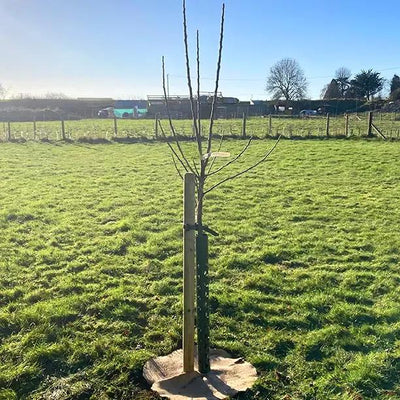
Our fruit trees are delivered in up to 3 shapes. If you want a cordon, fan or espalier, you just buy a maiden and train it yourself: we can pre-prune your maidens to whichever form you choose and we send you instructions at pruning time in subsequent years.
Maiden: This unbranched tree is the smallest starting size. You can train maidens into espaliers and cordons.
Bush: This is a style of freestanding tree with a short trunk of about 60cm. It'll grow to about 3 metres tall.
Half-Standard: This is a freestanding style that will grow into a full sized, "normal" apple tree, about 4 metres tall.




Early Victoria Apple Trees needs a different apple tree nearby, in flower at the same time, to produce fruit. The varieties below are compatible pollination partners.


 Sign In
 Saved items