I like to remember my mum smelling the roses, stopping to think, breathing in a lungful of sweet morning air (or the sharp, rich fug of a strong coffee) and listening to the excited trill of the blackbirds. She savoured the simple pleasures of life; even before the intrusions of phones and apps, it was… Continue reading Stop and Smell the Roses

Category: Trees
Bring on the blossom
Every year the anticipation mounts. I look out of my bedroom window at the ornamental plum tree on the street, scouring its deep claret branches for signs that the colour is changing, life stirring within. Subtly, from a solid winter opacity to something with just a hint of deepest rose. Sometimes I think I see… Continue reading Bring on the blossom
Falling for leaves
November is a month when I struggle with the shorter hours of daylight, and the prospect of those seemingly interminable months of bleakness to come. Don’t talk to me of hygge or cosying up by the fire. I want to be out there, inspired by the colours and new life of the garden. I start… Continue reading Falling for leaves
Trees for Clay Soils
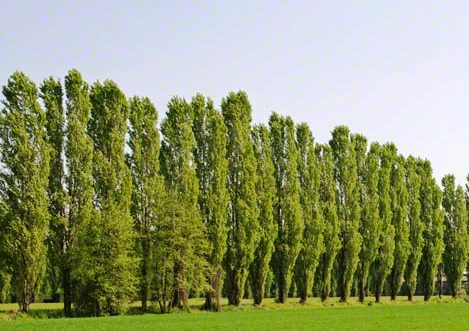
This is a reasonably long list of the trees that like growing on heavy clay soil. We don’t grow all of them, this is intended to be a reference for garden projects big & small – don’t say we never treat you! But if any are of interest, please do look at our list of… Continue reading Trees for Clay Soils
Why Willows and Drains do not Mix…
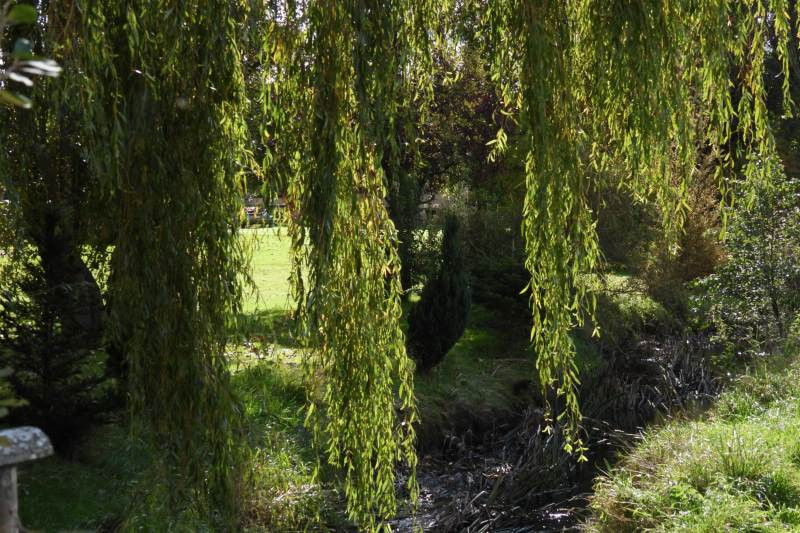
A video on why willows and drains should not be too close together…
Using Copper foliage in the garden
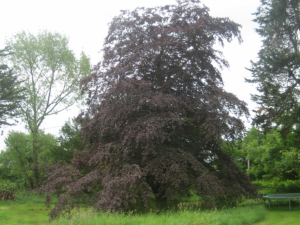
And why it is it copper anyway? Contemporary gardeners often use dark colours…look how the ‘Queen of the Night’ tulip has become ubiquitous, and the black grass Ophiopogon planiscarpens nigrescens pops up in urn plantings or as a contrast to pale paving. There is something fascinating about the pool of shade that sombre colours cast… Continue reading Using Copper foliage in the garden
Cornus sanguinea Midwinter Fire
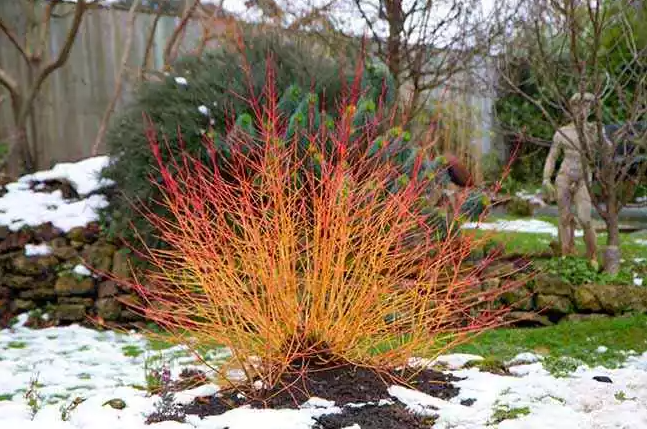
Dogwoods, members of the Cornus family, are often the unsung heroes of the winter garden. Although there are exceptions, in summer they tend to be unremarkable. This is because they are covered in foliage when daylight hours are longer and their crowning glory is their bark which can only be seen when the leaves… Continue reading Cornus sanguinea Midwinter Fire
Honey fungus: The tree killer
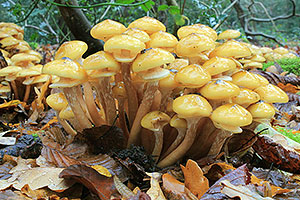
Honey fungi, Armillaria, are a group of parasitic fungi. They attack trees, shrubs and woody perennials, and are one of the most destructive fungal diseases in the UK. They are also among some of the biggest living organisms in the world, their underground networks often covering many miles and living for up to a thousand… Continue reading Honey fungus: The tree killer
Living sculpture: Topiary plants a little less ordinary
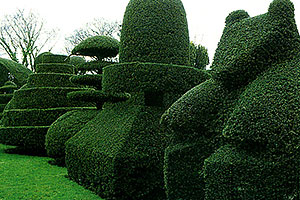
Shrubs trained as topiary are at home in any garden. From a cottage setting where intriguing forms nestle casually between flowers and vegetables, to a much grander scheme where repetitive shapes are rigid and regimented, topiary can be both charming and formal. And let’s not forget that when you trim your humble garden hedge, you’re… Continue reading Living sculpture: Topiary plants a little less ordinary
A guide to fruit tree pollination

The science (and sometimes the snake-oil) can run deep when it comes to fruit tree pollination. You could read endless books and research studies on how to optimise your orchard with a diversity of cross-pollinators to achieve a bumper crop. For most growers, it’s actually pretty straightforward to get the right results. This guide should… Continue reading A guide to fruit tree pollination