


Sold as:

from £6.99

Sold as:
from £19.99
 5 Star Service Rating




 Secure, One-Tap Checkout
 5 Star Feefo Rating
 Hand Picked, Delivered to Your Door!
 1 Year Bareroot Guarantee
 Platinum Trusted Service Award 2026
 Mail Order Plant Experts - Est. 1949


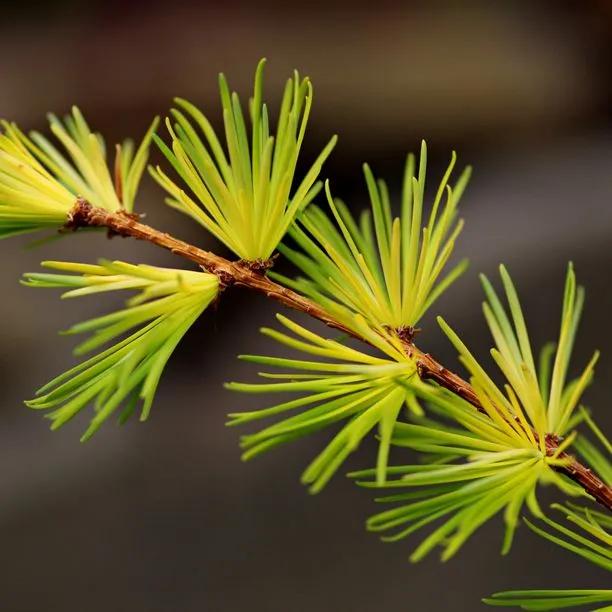
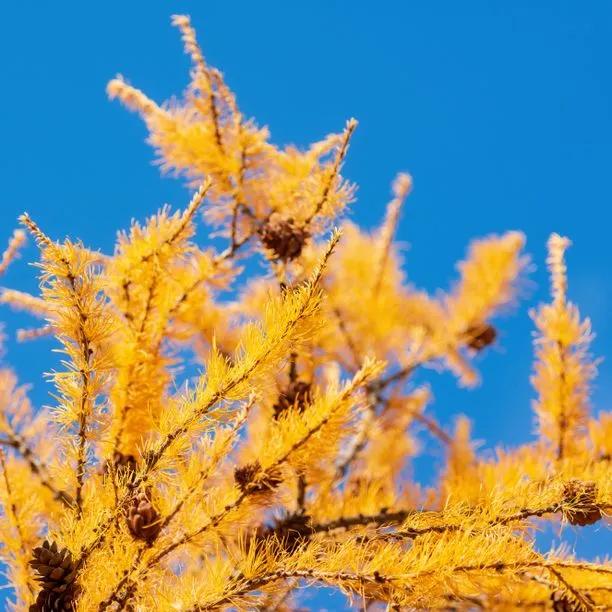
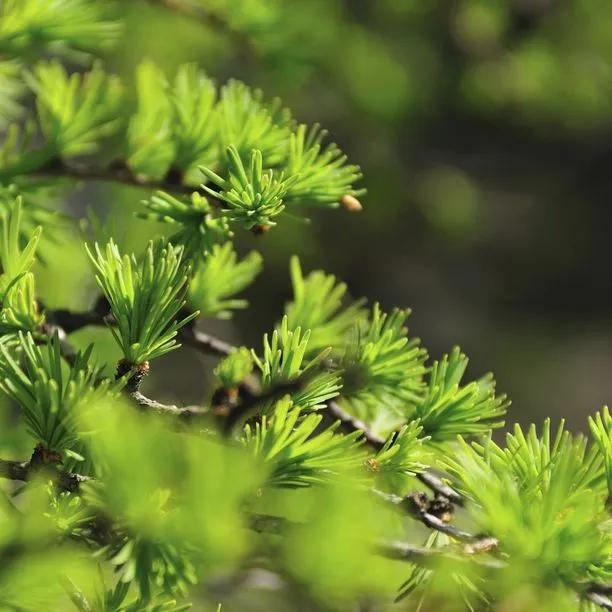




The Japanese Larch is a deciduous (non-evergreen) conifer. It has a vibrant autumn colour that lasts for a few weeks, as the needles take some time to fall. It looks really bright in spring, when the needles are grass green and the branches are studded with small, creamy young cones and male flowers.
In areas where canker is a problem for the European Larch*, this disease resistant tree is often planted instead.
You can interplant with European Larch to give natural looking variety to a mixed stand of trees.
Browse our variety of large trees, or our full range of trees.
Delivery season: Larches are delivered bareroot during late autumn and winter, approximately November-March inclusive.
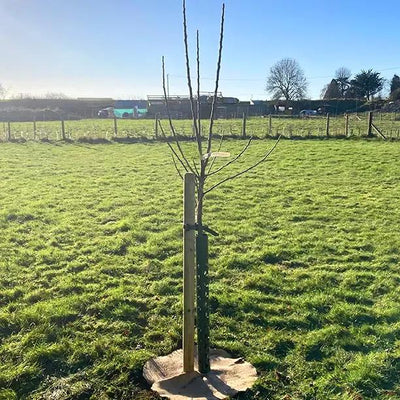
Choosing a size: Small plants are cheaper and more forgiving of less than ideal aftercare, so they're best for a big planting project. If instant impact is your priority, or if you are only buying a few plants for ornamental use in a place where it's convenient to water them well in their first year, then you may as well use bigger ones. All our sapling trees are measured by their height in centimetres above the ground (the roots aren't measured).
Chalky soil isn't suitable. Your trees are happy in exposed, wind-blasted places and at altitude. Their native range is mountains where rainfall is high and drainage is good, so they dislike dry sites and love a moist soil, but not low-lying areas that get waterlogged in winter.
Larches are vigorous trees that need plenty of light to look good. They'll tolerate quite a lot of shade, but they'll grow sparsely and look disappointing.
Larix kaempferi's wild range is a just small part of Honshu, the central island of Japan. Their Japanese name is Karamatsu. It is now grown all over the world in temperate regions and has been used widely in British forestry.
It was introduced by John Veitch in 1861. The name kaempferi is in honour of the German scientist Engelbert Kaempfer, who visited Japan for a few years in the 1680's and 90's. Apart from a handful of port quarters, the country was closed to foreigners during this period, so his visit was exceptional and his writings were some of the only information that Western world had about Japan until the Americans nudged the country to open up with gunboats in 1854.
*European larches of Alpine origin seem to be susceptible for canker and are also being replaced with other strains of the species from parts of Europe where resistance is high.




 Sign In
 Saved items