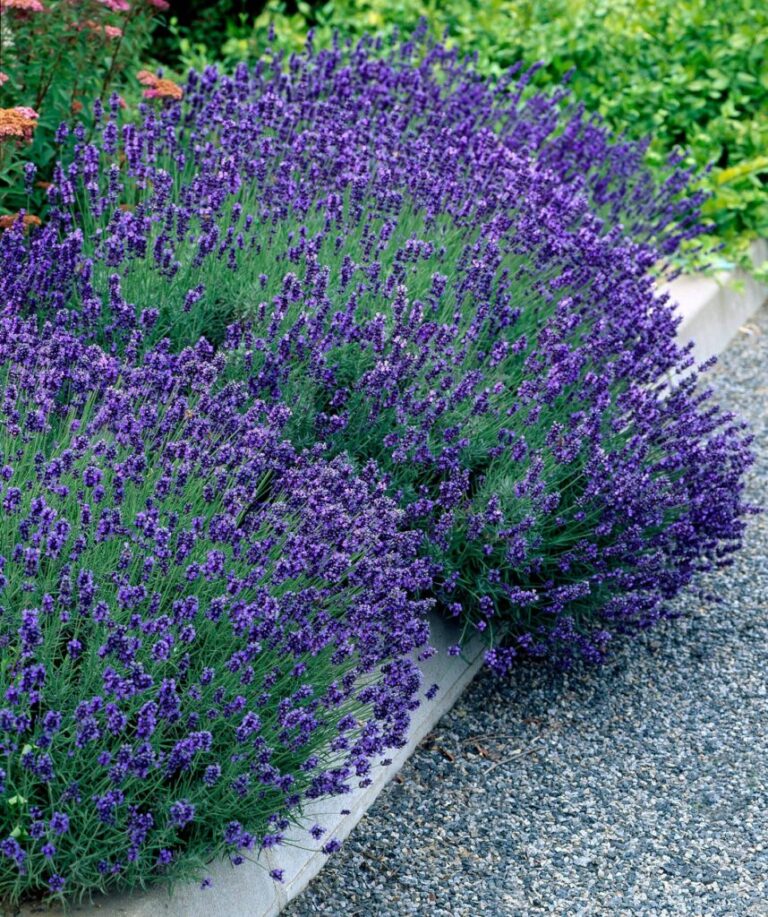
4 Keys to Growing Lavender

English Lavender is not really a native plant, so it doesn’t grow happily just anywhere. If your location meets these requirements, your plants should thrive:

1. Sun

Lavender is a Mediterranean plant. It needs full sun for most of the day to look its best.

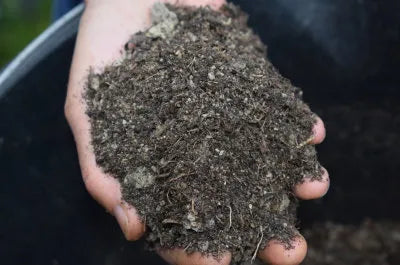
2. Free Draining Soil

Lavender hates damp soil.
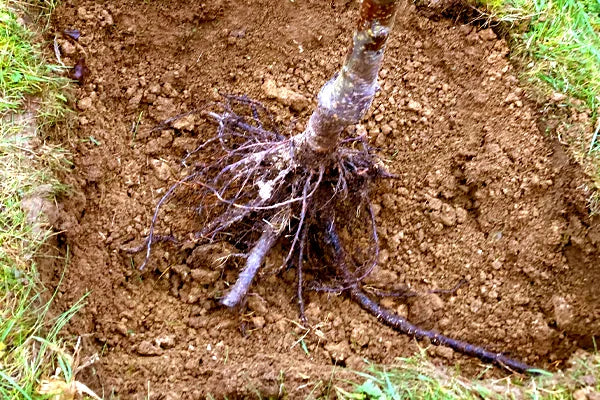
Establishing Lavender plants must be watered in dry weather, though: soak the soil every 3 days in summer if there is no rain.

3. Air Circulation

Lavender grows best out in the open, with the wind in its hair, not crowded by lots of other, taller plants. It is very wind resistant.

4. Regular Clipping

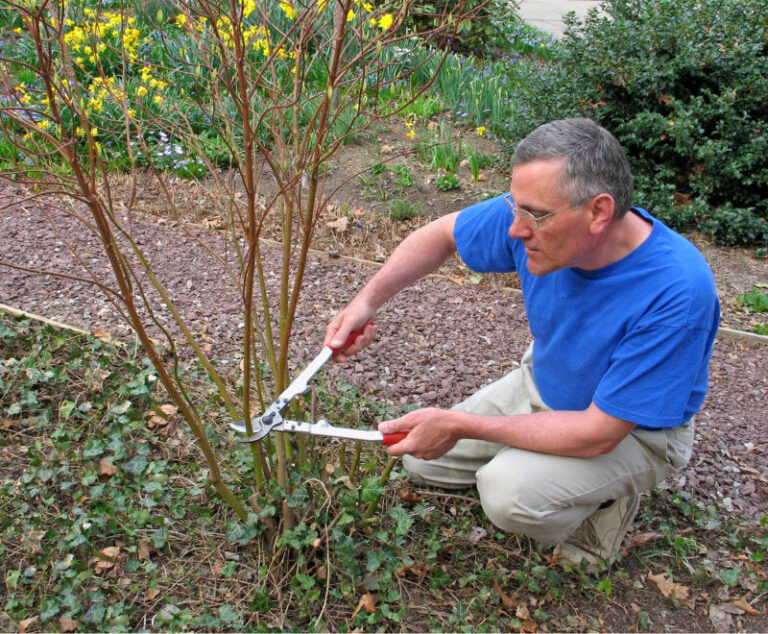
Lavender should be clipped hard every autumn and can be trimmed lightly once in spring.
This will keep the plants looking young, densely bushy and producing lots of flowers.

Read more about planting lavender here.
An Intimate Portrait of the Inside of a Privet Hedge

How to Prune a Privet Hedge – Do’s & Don’ts

This Privet hedge had a corner section of it cut off, then a few days later it was trimmed all over and the top was also pruned down a bit.
I took photos after the first pruning and then 8 weeks later:

A vigorous plant like Privet responds well to being hard pruned. Most hedge plants do too, but remember that conifers, which are popular for formal hedging, will not grow back from this sort of pruning.

The Good: By cutting off the top of the hedge, sunlight can reach the new growth.
The Bad: The angle of the side of the hedge is not ideal: the top is wider than the base.

In the photo below, you can see how the top of the hedge leans out and casts shade over the base of the hedge.

This hedge is being trimmed in a top heavy way that will encourage the base to become sparse over time.

This is the wrong angle to cut a hedge - the base should stick out further than the top.

This bare strip was caused by shade from the top of the hedge.

Privet is an easy plant that grows well in shady places, so the bald patch at the base of the hedge here will recover quite fast.
Again, most coniferous hedges will not recover from the base at all, so they must be trimmed to the right shape every year.

The right shape for a hedge is a bit like this: / \
Not at all like this: \ /

Give Lavender its first trim in February or Early March

This post is a bit late for getting in a February trim, but since the weather hasn’t been great this year we think your Lavender deserves a bit of a rest first (phew, I got away with that one!).

Our school of thought on Lavender clipping is to do it twice a year:

  • A light trim in late February / early March – right about now at the time of posting.
  • A hard trim after flowering, sometime in August.

The first trim needs be done by early March. This is the trim that tidies up your plants for summer and encourages lots of flowers.

Lavender that was planted last year must not be spared!
If it often fine to let a shrub settle in for its first year with little or no trimming, but with Lavender it is essential to trim it young.  This forces it to make lots of leaf buds close to the centre of the plant, which forms a strong base for the future.

The second trim should n0t be left too late. The new growth needs time to harden up before the weather gets cold.
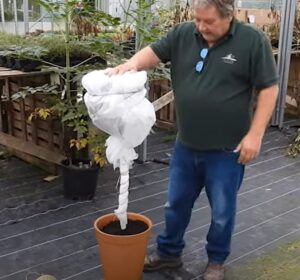
If the weather turns frosty early, it won’t hurt to cover up your plants for the first few frosts to give them a bit more time.
Be ruthless with this August trimming! If Ruth wants to join in, ask her politely to sit this one out.
Trim every stem so that about 2cms (at most) of new growth from the previous year is left. Your plants will look pretty sad when you are finished. They will grow back a bit before the end of autumn and look beautifully neat for winter.
How to Choose Rootstocks for Fruit Trees – The Easy Way

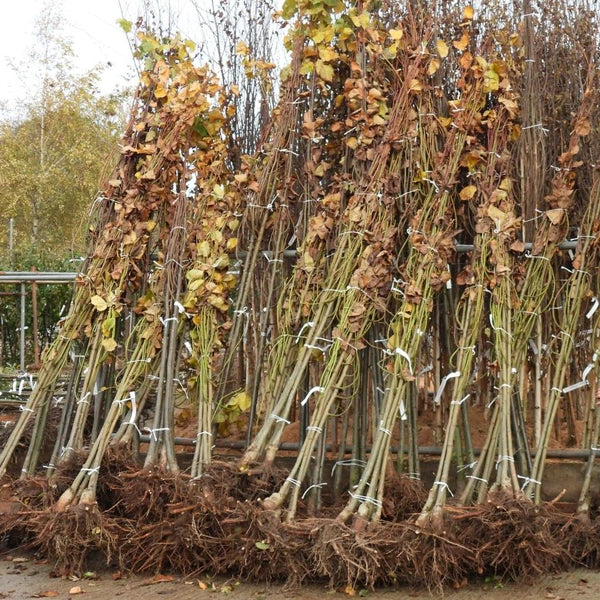
Rootstocks on fruit trees bought from our Nursery:

Rootstocks cause a lot of unnecessary worry. A rootstock controls the growth of a tree and there are many different ones in existence.

This post is a long winded way of saying do not worry about rootstocks when you buy fruit trees from us; we choose the best ones for the job.

In short, we grow all of our 2 largest sizes of fruit tree, Bushes and Half Standards – on “semi-vigorous” rootstocks that produce a nice size tree for a garden or orchard.
Our 2 smallest sizes, Maidens and Cordons (only apples & pears are grown as cordons) are grown on either “semi-vigorous” or “semi-dwarfing” rootstocks depending on the variety. Whichever it is, it will be suitable for growing as a restricted, wire-trained shape.

Just What is a Rootstock?

All the fruit trees that you know and love are clones, from Granny Smith to Victoria Plum.

More than just clones, they are living in a Siamese twin relationship with another tree’s roots.

So, there is only one Granny Smith apple tree from a genetic point of view.
Cuttings of new growth from that one tree, called scions, can be grafted onto a rootstock chosen from a range of different sapling apple trees.

Grafting a scion onto a rootstock is a much better way of cloning a fruit tree from a cutting than just getting the cutting to take root itself.

The key benefit is that each rootstock type has known attributes and a predictable effect on the new tree’s growth.

The practical reality is that people either want a medium-large fruit tree or they want to train fruit tree on wires, usually against a wall or fence.
As described above, you only really need 2 rootstocks to be able to grow any normal size tree or restricted shape like fans, espaliers, step-overs or arches.