
For the love of lavender


English lavender - fragrance, colour, wildlife value, and versatility

English lavender – fragrance, colour,
wildlife value, and versatility

There are very few gardeners who fail to fall for the many charms of lavender – what is that you love about this beautiful, heavenly-scented and versatile plant?

Lavender (Lavandula angustifolia) has long been recognised for its numerous uses, medicinal ones in particular.

The Egyptians used it in the embalming process; soaking the shrouds in lavender infusions helped to preserve the mummies. The Ancient Greeks used it as a remedy for a huge number of ailments, and they were the first people to discover its sedative attributes as a cure for insomnia.

The Romans praised it for its antiseptic qualities, and used it in bathing and washing clothes. And it has been used in battles as a dressing for wounds – in the First World War it was included in soldiers’ first aid kits.
Continue reading

Beech: A national treasure!


British beech - a national treasure

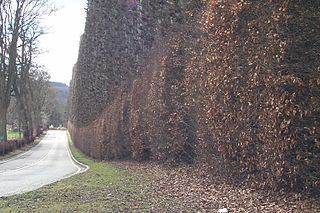
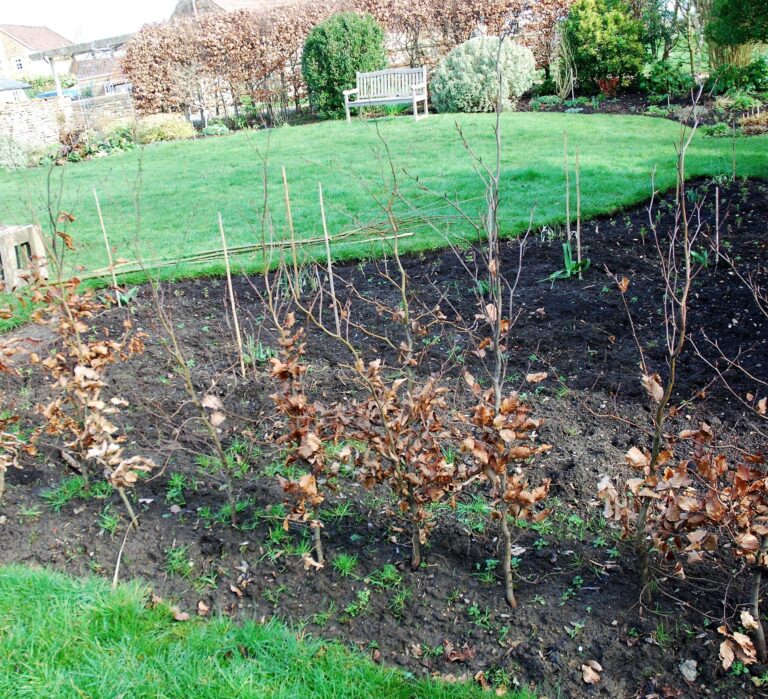
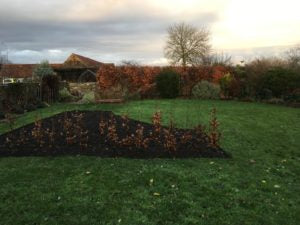
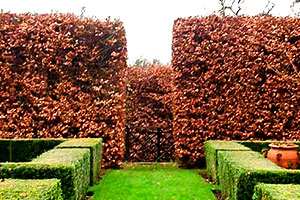
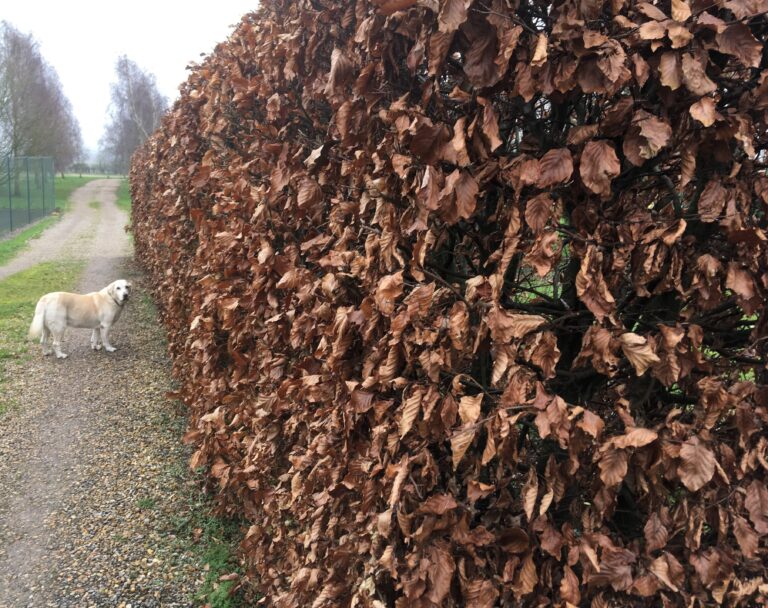
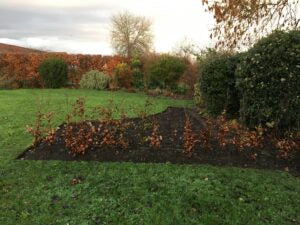
Beech turns a wonderful copper colour in winter.

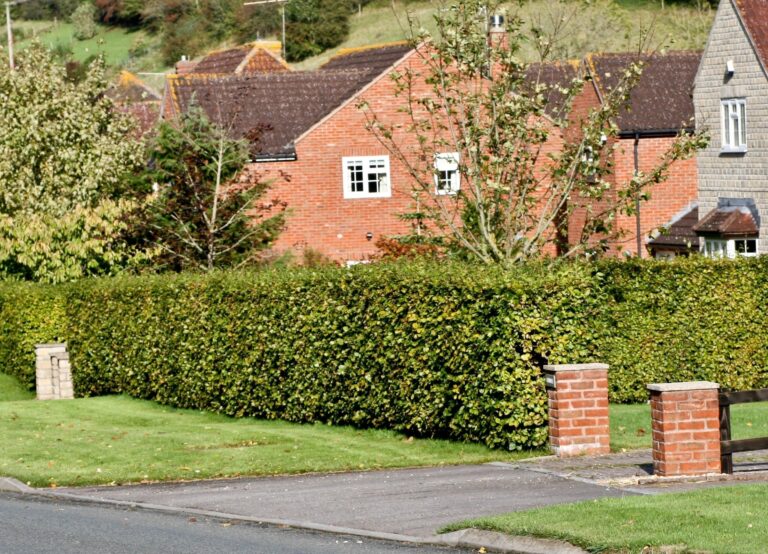
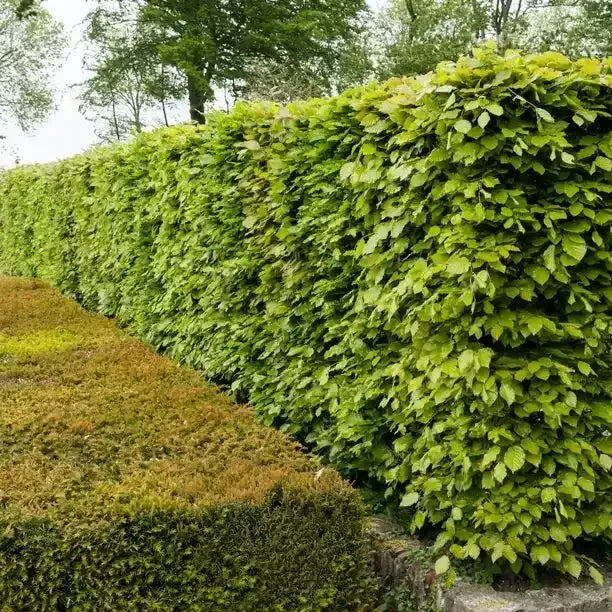
The magnificent beech tree is quintessentially British – and not to mention elegant, flexible, award-winning, reliable, colourful…

Maybe surprisingly, beech is classed only as native to Southern England, and then only from as recently as 4000BC. Nevertheless, the beech is an important (and much loved) part of our ancient British woodlands.

Whether grown as a beech tree or beech hedging, it helps support a vast array of wildlife – from the bluebells that take advantage of that brief window of warmth and sunlight before the deciduous canopy opens, to the insects, birds and larger mammals that find food and set up home in their boughs and roots. Continue reading

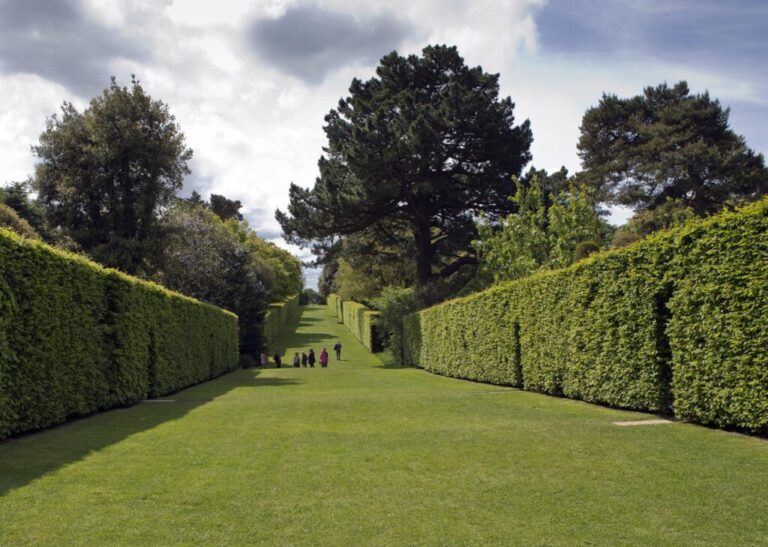
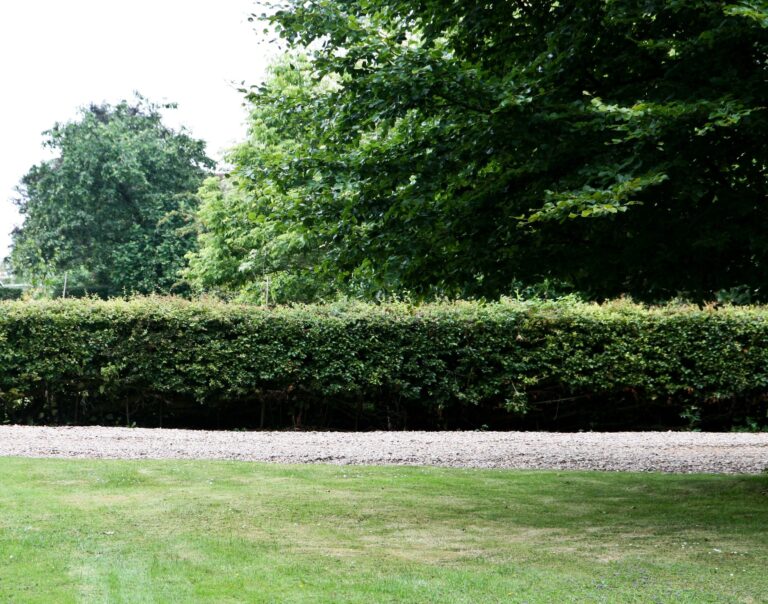
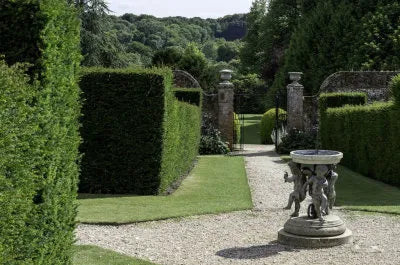
How to choose the right hedge


Choose the right hedge

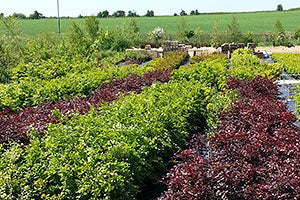
You’re spoiled for choice when it comes to hedging
plants – but by focusing on what you really need, you
can make it all a bit easier…

The winter planting season is well under way, and one of the oldest forms of planting is hedging.

We give a few pointers below on what to consider when choosing a hedge for your garden, allotment, orchard, farmland – pretty much anywhere in fact.

And our friends at Hedgelink give 10 top tips for managing your hedgerow once it’s established.

Hedgelink is a partnership initiative from Natural England that brings together people and organisations with an interest in developing and conserving British hedges – and we certainly like the sound of that.
Continue reading

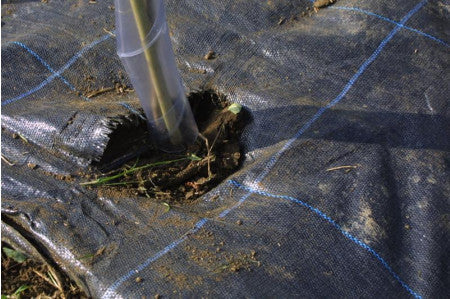
Caring for bareroot plants in cold weather


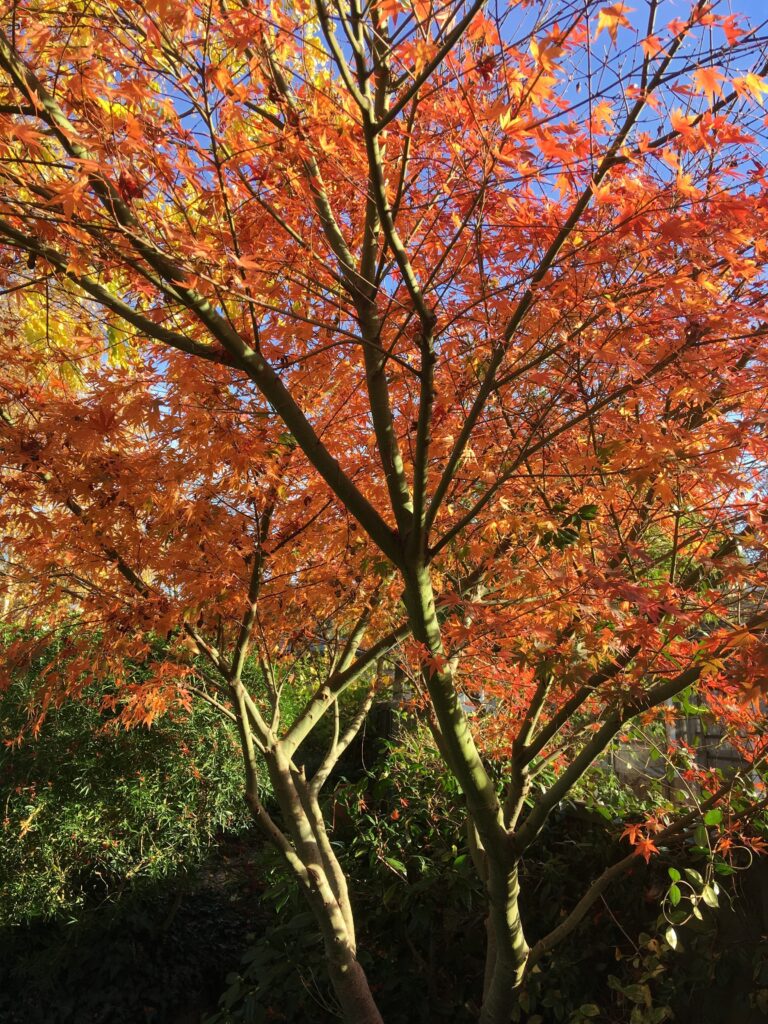
Frozen ground

When the ground is frozen, please don’t plant your
bareroot trees, shrubs or hedges! They’ll be much
happier staying bare and dormant…

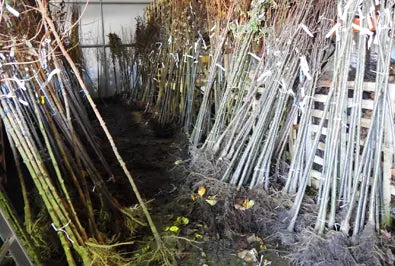
Most of the damage caused to bareroot plants in cold, freezing conditions is to the delicate roots themselves.

The roots are fine, fibrous structures with a high water content: moving them, or even the slightest touch whilst frozen, can cause damage.

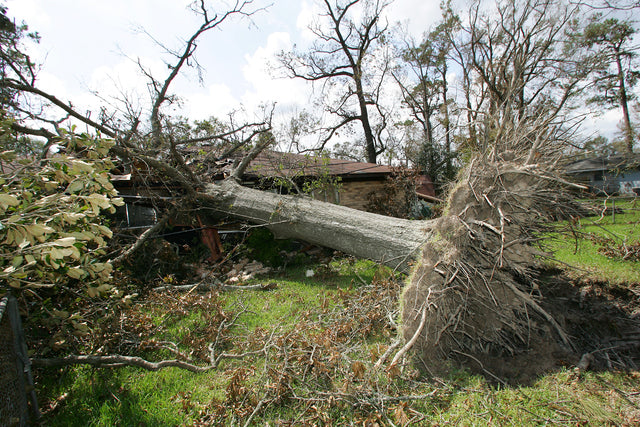
Almost all of a shrub or a tree’s energy reserves are stored in the roots during winter. So broken roots mean that stored energy is lost, and this reduces the plant’s ability to establish. And poor establishment means poor growth in spring.

Worse still, if root damage is serious, the plant may not grow at all.
Continue reading

4 Keys to Growing Lavender

English Lavender is not really a native plant, so it doesn’t grow happily just anywhere. If your location meets these requirements, your plants should thrive:

1. Sun

Lavender is a Mediterranean plant. It needs full sun for most of the day to look its best.

2. Free Draining Soil

Lavender hates damp soil.
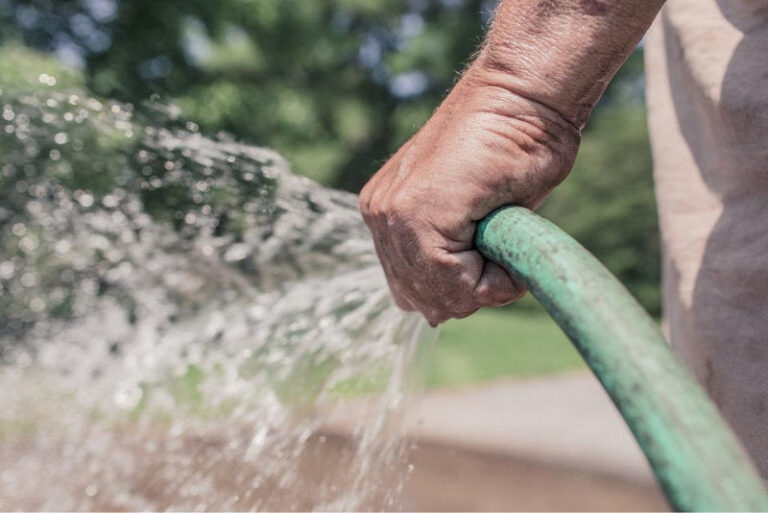
Establishing Lavender plants must be watered in dry weather, though: soak the soil every 3 days in summer if there is no rain.

3. Air Circulation

Lavender grows best out in the open, with the wind in its hair, not crowded by lots of other, taller plants. It is very wind resistant.

4. Regular Clipping

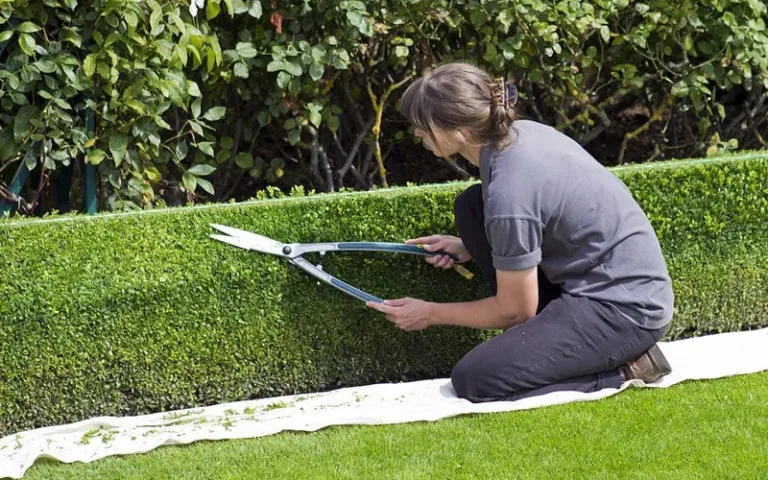
Lavender should be clipped hard every autumn and can be trimmed lightly once in spring.
This will keep the plants looking young, densely bushy and producing lots of flowers.

Read more about planting lavender here.