Get the ground ready now for when you buy lavender plants in May

If you are planning on buying lavender plants this year here are a few tips which might help you grow them just that little bit better.

1.  Don’t buy your lavender until towards the end of May.  Lavender is a funny old thing – the angustifolia varieties such as Hidcote and Munstead are as tough as old boots once they are established. They ought to be by now as they have been grown in the UK since the Romans were here.  However they take a minute or two to establish and they are decidedly fussy while settling in. Risk number one, especially this year given the weather we have been having, is frost.  The first half of May often seen freezing weather and, while it should not kill the plants it will nip their flower buds.  So plant in the second half of May at the earliest.

2. The soil is warmer and drier by the end of May as well.  Lavender can grow in soil that more resembles dust than anything else and despite its small size its roots can go down several feet to find moisture. So miss out on April showers as you won’t get any May flowers anyway and your plants can drown in the process.

3. If you have not done so already, prepare the ground where they will be planted.  This is all about drainage – lavender does not need feeding now.  Incorporate sand,  grit or anything else that will open up the soil and make it drain more easily. If you are on heavy soil, recognise that conditions are not ideal for lavender and that they never will be.  Open the soil as much as possible, and make a ridge about 15cms (6″) high and twice as wide. When planting time comes plant your lavender into the top of the ridge which will remain well drained in all weathers.  Once they have established, the lavender will cover the ridge and you will never see it.

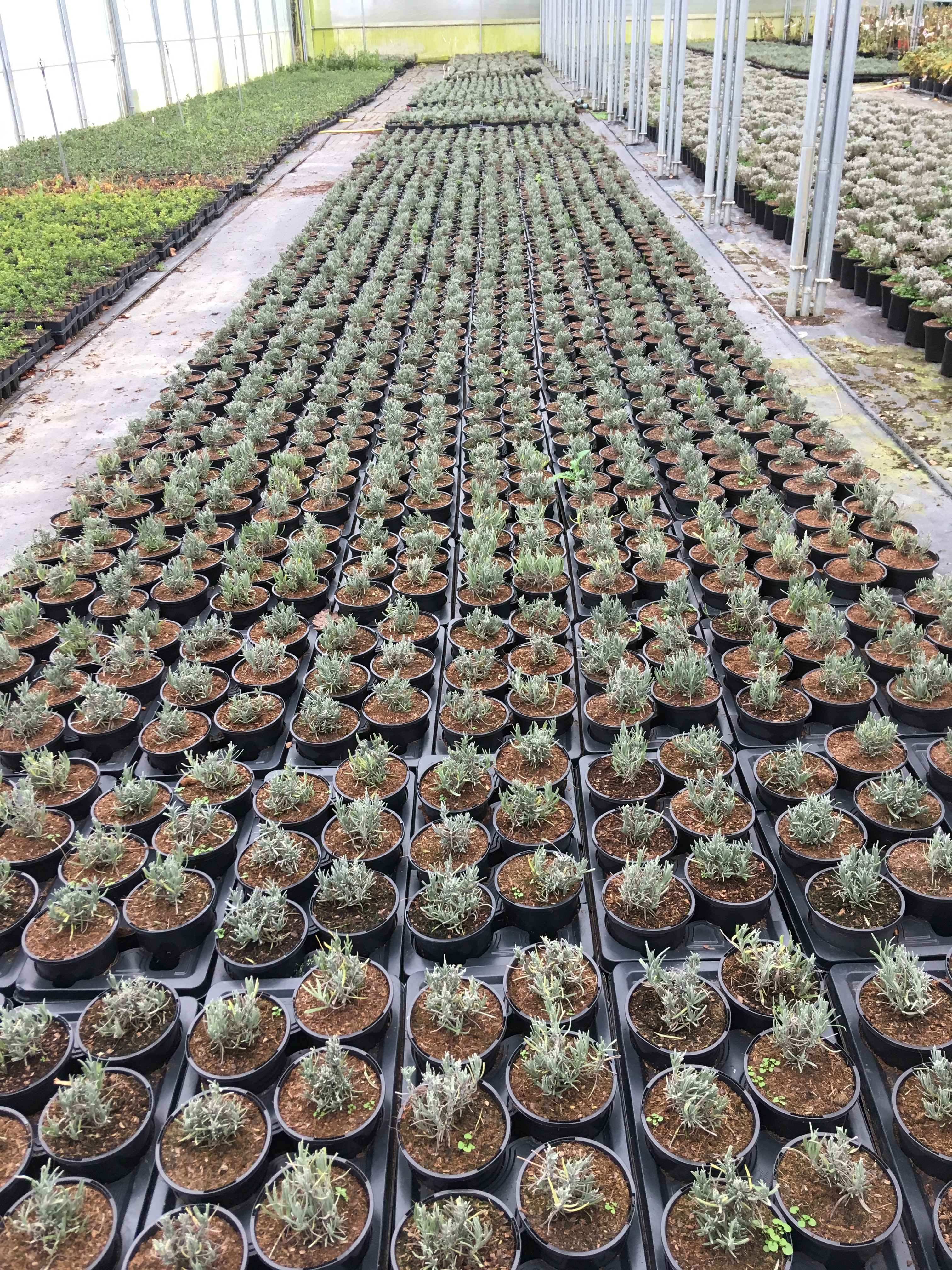
4.  Buy good sized plants in a sensible pot. It is a false economy to buy seemingly cheap plants, usually in P9 or P11 pots (there are 9 or 11 cm square pots.  Go for buy 2 year old lavender plants in 1.5 litre pots.  They will have much bigger root systems and will carry far more flower in their first year.  In our experience they also establish better.

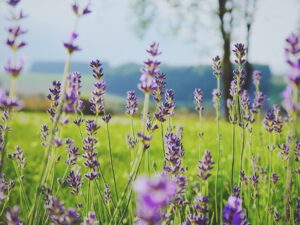
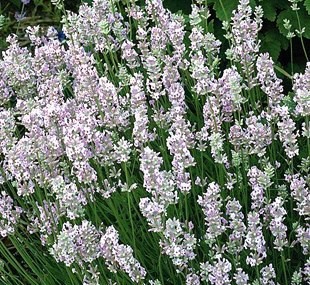
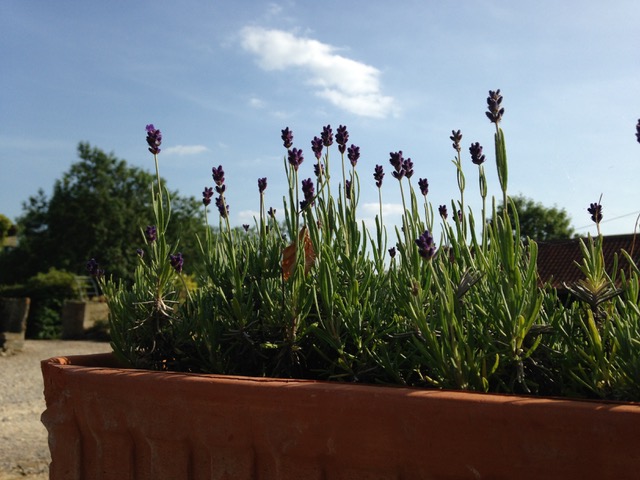
5. Blue is the colour.  The hardy lavender is Lavandula angustifolia.  It is the ONLY truly hardy lavender. And the hardiest angustifolias are Hidcote and Munstead.  Both are blue and I strongly advise you to stick with one of these. Nothing is quite as depressing as a lavender hedge with great gaps in it caused by plant loss due to frost or wet. French lavenders and (almost) all of the integrifolia and stoechas varieties would have hated the conditions of this winter and will have been decimated. Buy British….

6.  Oh yes, and order early as most reputable growers tend to sell out fairly quickly.

If you think we are reputable, these are our lavender plants for sale

Lavender Diseases – There Really are Some!

I read an article the other day which claimed that lavender is immune to disease, a quality that is linked to its healing properties. I’m the first to hop in a bath infused with lavender when I need a break and I am certain that the relaxation it gives me is good for my mental health if nothing else. I also know that many people benefit from using it in other ways, but I feel moved to set the record straight. In the everyday running of our nursery, we are always on the lookout for signs of disease on our plants. They are packed in pretty tight and one rotten apple, so to speak, could easily cause us to lose a lot of stock.

Now, it is true that I have never seen any of the two diseases described below on our lavender or anyone else’s, so I am certain that it is a very disease resistant plant and I am not trying to warn the world of impending lavender catastrophe. Nevertheless, you may come across these invaders in your travels and even
prevent disaster by raising the alarm. Here are the things that we check on to be sure that our plants are healthy:

Alfa Mosaic Virus: This one is quite easy to spot. The leaves will begin to turn yellow in patches and then curl up into contorted shapes. This virus can be spread by both insects and your hands, so it is important to whip out infected plants quickly, using something disposable like a sheet of newspaper to hold the plant. As with any diseased plant material, the best thing to do is burn it. If you really have nowhere to make a fire, bag them up tightly and put them in the bin.

Lavender Shab Disease – Phomopsis lavandula: This is a fungus that kills the stems of the lavender. The clearest sign of it is when all the shoots wilt suddenly, even though there has been no drought. There was a lavender shab epidemic about 40 years ago that killed vast amounts of commercially grown lavender (where the wind could easily spread fungal spores along the rows of plants) and although it seems to have since disappeared, anyone who grows, sells or maintains large amounts of lavender is on the lookout for this microscopic killer. Close inspection of the affected plants (you may need a magnifying glass) will reveal very small black shapes called pycnidia emerging from the bark. If you saw them under a powerful microscope, you would see that they are cup shaped and full of spores. Again, do your best to try and burn the affected plants.

Wet Feet: This isn’t a disease but it spells a far greater hazard for lavender plants than the other two put together. This is the thing that we check every lavender plant for before it gets sent to its new home. If the soil around lavender’s roots is too wet, especially over winter, rot sets in and the bark begins to die. It will be easy to pull the bark away from the base of the main stem and the stem itself may simply twist off from the roots with very little force. Larger plants can struggle on for a little while like this but really they are dead already (and just haven’t realised it).

The chances of coming across Shab or Alfa Mosaic Virus are pretty slim and my bet is that you will never have a problem with them. But if you have any lavender woes, please let us know and we’d be happy to give our opinion. Anyway start with healthy stock, like our lavender plants, ideally planted in April or early May and you should be fine.

Relax, enjoy and watch your garden grow!

Ice Blue Lavender Plants, Dilly Dilly…

I have never read in a gardening book anywhere that a lavender hedge is a beautiful thing in winter.  Well, our was yesterday morning.  Like most of you, we had a cracker of a frost the night before last.  Combined with quite dense fog, it left a coating of white on everything – a huge beech at the bottom of the garden was glittering from head to foot.

And the lavender plants in the hedge around the rose border were simply stunning.  I am not sure how the physics work here, but they were not so much frosted as coated with crystals, some as much as 1/2″ long.  The hedge itself is pretty compact, not much more than 35cms tall and about the same across, but with the sun shining it was a lavender hedge, encrusted in diamonds, that simply dominated a garden full of good stuff.

Which in a roundabout way leads me on to the thought for the next week or two. If you are planning on buying lavender plants to make a hedge or an edge spare a thought for ground preparation. Our lavender plants will happily survive the beautiful cold, because they are in a really well drained bed.   Cold and dry is OK, cold and wet is a killer.

So when the frost has gone, and the ground is soft again, go and work off some Christmas excess by really digging over the ground where your lavender will (generally) beautify your garden all through the summer.  Get out any perennial weeds, stones, roots and the like.  Work in masses of well rotted compost and add plenty of horticultural sand or grit if your ground is a bit claggy.  Dig it over now and it will have plenty of time to settle before you get round to planting in April or May.

Don’t plant until late April – lavender plants like the soil to be a bit warmer than it is in March and they will grow away better as a result.  And just as it did for the last day of 2008, it will light up your garden all through summer, although its blue will be somewhat warmer than it was two days ago.

Sit back and watch your plants grow!