
Contents
- 1 Which Lavender Is Hardiest in the UK?
- 2 Which Lavender Makes the Biggest Garden Display?
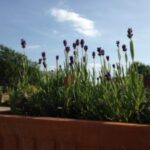
- 3 Which Lavender Is Best Grown in a Pot?
- 4 What Are the Key Differences Between English and French Lavender?
- 5 Which Lavender Smells Best?
- 6 Which Lavender Is Best for Bees and Pollinators?
- 7 Which Lavender Is Best in the Kitchen?
- 8 Is French Lavender Hardy in the UK?
- 9 Which Lavender Is Best for Hedging?
- 10 Which Lavender Is Best for Oil?
- 11 Can I Grow Different Types of Lavender Together?
- 12 Which Lavender Has the Longest Flowering Season?
- 13 Is Lavender Safe for Cats and Dogs?
- 14 Related Products
There are three lavender species grown in British gardens. We have grown and sold all three for over twenty years. In terms of habit, leaf shape, flower shape, and so on, you can see they are all lavender, but they are also clearly different. English Lavender (Lavandula angustifolia) is the toughest of the three. It also has the best scent. Dutch Lavender or Lavandin, Lavandula × intermedia, is a hybrid. By the way, an isolated “×” in a Latin plant name indicates it is a hybrid. Lavandin is bigger and has a stronger scent than its British cousin, but with notes of camphor in it. French Lavender (Lavandula stoechas), sometimes also known as Butterfly Lavender, is the most ornate of the three. It’s the one with the rabbit ears on top of the flower. It has a longer flowering season than the other two lavenders, but it needs more looking after in winter.
All lavenders have the same basic needs: full sun, good drainage, and a bit of air movement. They all attract wildlife, although a great beekeeping chum is adamant that English Lavender makes better honey.
So this article tries to explain, through the differences, which lavender you would use where and why. If you want to know how to grow lavender, you’ll find everything about soil preparation, planting, clipping, deadheading, and aftercare in the greatest detail in our Lavender Growing Guide. And since how you cut lavender back is so important to its longevity and its good looks in summer, we also have a separate guide to pruning lavender.
Which Lavender Is Hardiest in the UK?
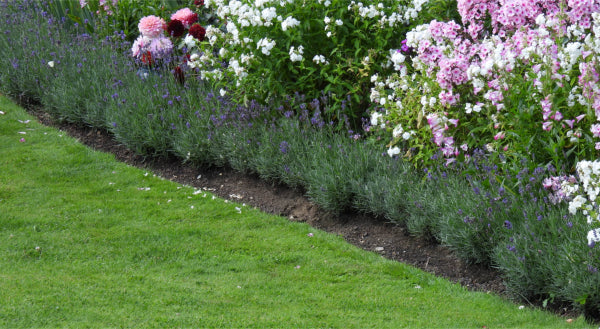
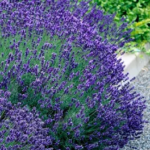
You will find more English Lavender in British gardens than any other type. I’ve already said it’s the toughest of the three; it’s fully hardy in the UK. And although no lavender likes having its feet wet, English Lavender is more tolerant of heavier soils and poorer drainage than the others. All the angustifolia (English) varieties flower between the beginning of June (and the end of May if spring is warm), and the end of August. Munstead tends to be a couple of weeks earlier than the other varieties. They share the same clean scent, strong without being pungent. If you’re a cook, you use English Lavender.
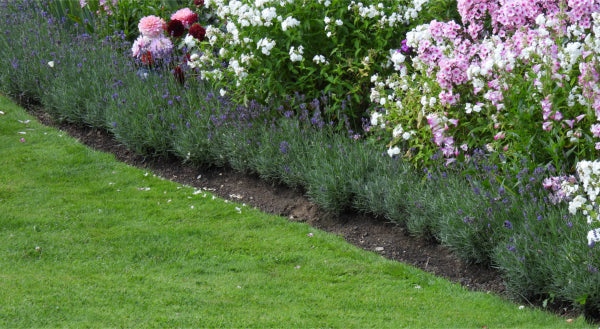
In terms of popularity, Hidcote is king of the castle; however, both it and Munstead hold RHS AGMs. For a low hedge, or edge, around roses, herbaceous borders, kitchen gardens — you name it — English Lavender planted about 30cm (12″) apart works well from Land’s End to John O’Groats. On tiptoe, angustifolia types typically touch 45–50 centimetres (18–20 inches) wide.
Which Lavender Makes the Biggest Garden Display?
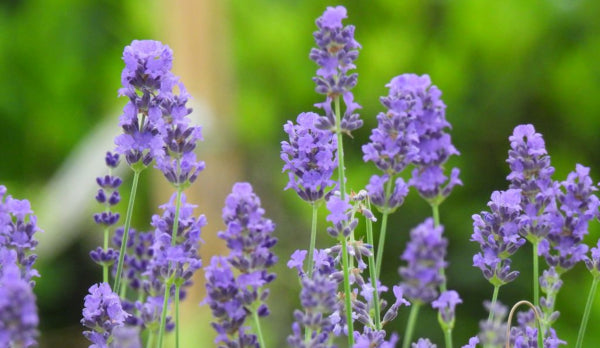
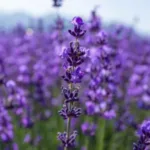
Dutch Lavender, properly called Lavandin, is a naturally occurring hybrid between English Lavender and Spike Lavender (Lavandula latifolia). The most obvious difference is size. Lavandins are just bigger. They have taller stems with wider flowering spikes, often with a secondary flower head further down the stem. And they grow further faster. Grosso can easily touch 90cm (36 inches) and can end up nearly as wide. Phenomenal is smaller, much more like 60 to 75 centimetres (24 to 30 inches). Lavandins are also fully hardy in the UK, although because of their size, they’re less good on the rare occasions when we get snow, which makes them spread out a bit.
In terms of scent, Dutch Lavender has a noticeable camphor note. It’s the lavender that you find in pot-pourri, candles, soaps, and of course, insect repellents. Perfect in a lavender bag. These big lavenders come into flower between two and four weeks after the smaller English lavenders do, and their show peaks in July and August. In terms of visual impact, think English Lavender but about twice the size.
Which Lavender Is Best Grown in a Pot?
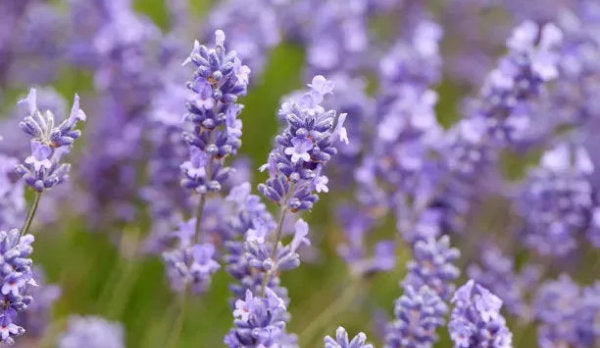
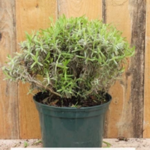
French Lavender is the prettiest of the three lavenders, and the only one with those distinctive ears on top of the flower. It is also less tolerant of cold and damp, which means you grow it differently.
Their scent, while still lavender, is a bit sharper than that of English Lavender. The catch is hardiness. The great lavender specialists Downderry Nurseries (now sadly closed) said French lavenders are hardy down to about minus 10 degrees centigrade. So far, so good. And if that were all there was to it, they would survive in the UK, pretty much everywhere, in any winter.
That hardiness rating, however, is misleading as French Lavender hates poor drainage. Where English Lavender and Lavandins are prepared to tough it out, French Lavender will turn up its toes if it sits in wet soil through the winter. In reality, this means the best way to grow it is in containers, and not only that, but containers which you can get out of the wet in the off-season. A porch or conservatory will do. An unheated greenhouse is perfect. Having said which, if you live near the sea where soils tend to be sandy and drainage is really sharp it can do very well. There it grows in the open, in Mother Earth, very happily indeed.
What Are the Key Differences Between English and French Lavender?
Lavandula angustifolia (English lavender) and Lavandula stoechas (French lavender) are the most obviously different of the lavender species for four reasons:
Hardiness: English lavender is fully hardy in the UK. There has not been a winter since 1946 cold enough to come close to killing it in the ground. They say it will survive down to minus ten degrees centigrade, in our opinion, the Stoechas varieties (French lavender) are not safe at minus five. So, for these, we advise winter shelter, which means growing in pots and moving them under cover, in the winter, anywhere in the UK — except coastal areas along the west coast and in the south.
Scent: unless Covid took away your sense of smell, you can tell the difference with your eyes shut. English Lavender smells of fairy tales and nursery rhymes. It has no edge to it. French Lavender has a resinous, almost medicinal scent. It’s not unpleasant, but it is different.
Flowers: the flower heads on the angustifolia varieties are slimmer. When taken in proportion to the plant, they are smaller, and all are spear-shaped. Stoechas flowers tend to be more angular, and the main body of the flower can be quite geometric, almost box-like. It’s as if the flowers have sides, plus, to some degree, all French lavenders have those bunny ears — hence the nickname “butterfly lavender”.
Flowering time: French Lavender in a warm spring will have flowers at the end of April, while English varieties are at least four weeks later. The flowering season for stoechas is also a bit longer, so they finish flowering maybe two weeks before our native lavenders do. I suspect this may have as much to do with their generally being grown in pots and therefore being deadheaded more promptly as anything else.
Which Lavender Smells Best?
Hidcote and Havana, in particular, and English Lavenders, in general, have the best scent. Scent is, of course, a matter of opinion, but for a fuller explanation: as you already know, English lavenders carry the softest of the lavender perfumes. Soft in the sense of being rounded, rather than weak, and the strongest of those perfumes comes from the darkest varieties.
Dutch Lavandin has a more penetrating scent, which is why it is the staple plant used to produce lavender oil, which in turn means it passes into perfumery. A small Hidcote lavender in a pot is a charming scented table centrepiece. A Dutch variety would be overwhelming.
As I mentioned above, French Lavender is just different. With your eyes shut, you could confuse it with rosemary. So I suppose you could say it’s pleasant, but not lavender.
Which Lavender Is Best for Bees and Pollinators?
This really is a case of “you pays your money and you takes your choice.” The three lavender species are all excellent for attracting pollen-hunting insects into the garden. If you look at the RHS recommended planting lists, you’ll find they all appear there.
From an insect’s eye view, English Lavender is the best because its flower structure is more open, so the pollen and nectar are more accessible. That’s why you typically find either Hidcote or Munstead in wildlife plantings. Although beekeepers say English Lavender makes the best honey, Dutch Lavender is especially attractive to honeybees, possibly because it produces more nectar and pollen per flower head. It’s hard, however, to make a case for French Lavender in this context. It’s beautiful, it has a different fragrance, it has nectar and pollen, but the reality is, if you’re growing it in pots, it won’t produce the mass of flower heads (unless you’ve got lots of pots) that make pollen hunters’ lives easy.
Which Lavender Is Best in the Kitchen?
An easy one at last. The only lavender that is really suitable for kitchen use, not because of toxicity but because of taste and perfume, is English Lavender. No lavender flowers are toxic; they just don’t all taste the same. A teaspoon of English Lavender flowers transforms shortbread or scones. Do the same with Dutch or French, and they’ll taste a bit like cough mixture.
As with scent, for cooking, choose the varieties with the deeper coloured flowers. They look better when they’re dried and heated, and if anything, their taste is just a little bit stronger. So Hidcote, Havana, and Beezee Dark Blue all qualify in this regard. Munstead is a little bit lighter in colour but still has lovely taste.
Is French Lavender Hardy in the UK?
Technically, French lavender is rated as being hardy in the UK, but because it is so intolerant of wet conditions in winter, we would recommend that you grow it in pots and bring it under cover between November and March.
Which Lavender Is Best for Hedging?
For hedges up to 60cm tall, Hidcote and Munstead are the best lavenders to use. For hedges over 60cm, you should look to the Lavandins such as Grosso and Vera.
Which Lavender Is Best for Oil?
In general, Dutch Lavandins are best for oil, and specifically, Grosso is the world leader in lavender oil production.
Can I Grow Different Types of Lavender Together?
As companion plants, you can grow different types of lavender together. For instance, you can plant a row of Lavandin behind a row of English Lavender. It is a less good idea to muddle them up because of the differences in size and culture.
Which Lavender Has the Longest Flowering Season?
As long as you deadhead them, French Lavender has the longest flowering season, starting the best part of a month before the English Lavenders, but finishing at very nearly the same time.
Is Lavender Safe for Cats and Dogs?
Lavender plants in the garden are perfectly safe for cats and dogs. Lavender oil is toxic, especially for cats, but it is present in such tiny quantities in the living plant that it is of no consequence.
Related Lavender Guides
- How to Grow Lavender — planting, soil, watering, and general care from the ground up.
- How and When to Prune Lavender — the annual hard prune, the spring tidy-up, and what to do with an overgrown woody plant.
- The Lavender 8:8:8 Watering Rule — how often to water lavender in the ground and in pots.
- Is Lavender Native to the UK? — where lavender comes from, and what its Mediterranean origins mean for growing it here.


Leave a Reply