
Related guides
- Harvesting Lavender Flowers
- How to Cut Back Lavender Plants in Late Summer
- How to grow lavender — planting, feeding, soil and year-round care
- How to Water Lavender — When, How Often, and How Much
- Is Lavender Native to the UK?
Does Lavender Get Diseases and Pests?
Lavender has an undeserved reputation for being disease-free. It is more resistant than most garden plants — its aromatic oils do provide some protection — but it is not immune. The four main problems we see at the nursery are Alfalfa Mosaic Virus, Lavender Shab disease, sap-sucking insects (particularly froghopper nymphs), and root rot from poor drainage. Of these, root rot from wet soil is by far the most common cause of lavender death in UK gardens.
What Is Alfalfa Mosaic Virus in Lavender?
Alfalfa Mosaic Virus causes yellow and pale green patches on lavender leaves, and is spread by aphids. There is no cure. If you see it, remove and destroy affected plants promptly — do not compost them. The good news is that AMV is relatively uncommon in lavender compared to the other problems below, and a healthy, well-sited plant is less likely to be affected.
What Is Lavender Shab Disease?
Shab is a fungal disease that causes lavender stems to die back suddenly, turning grey and then brown. It typically strikes after the plant has been wounded — by heavy pruning at the wrong time, by frost damage on soft new growth, or by mechanical damage. Infected stems should be cut back to healthy wood and the pruned material disposed of (not composted). Avoiding late-autumn pruning, and always cutting into green wood rather than bare wood, significantly reduces the risk.
Do Capsid Bugs and Froghoppers Affect Lavender?
Green capsid bugs distort new growth and cause puckered, misshapen leaves at shoot tips. Froghopper nymphs surround themselves in a mass of white froth (the “cuckoo spit” you see on plants in early summer) and feed on plant sap. Neither pest is usually serious enough to threaten a healthy plant, though heavy infestations can affect growth and flower production. Remove cuckoo spit by hand or with a jet of water; capsid bugs are harder to control but populations are usually kept in check by natural predators.
What Is Root Rot and How Do I Prevent It?
This is the big one. Poor drainage kills more lavender in the UK than everything else combined. We grow lavender at Ashridge in pots, and the only time we have ever seen root rot is when a drainage hole has, for some reason, become blocked. As long as your lavender is planted where the ground drains freely, you should in our experience never encounter it. It is also, perhaps, slightly unfair to call root rot a disease at all — a disease is something that one plant catches from another. Root rot is the direct consequence, in our experience, of poor culture. Get the drainage right, and this section becomes largely irrelevant. Lavender evolved in dry, free-draining Mediterranean soils. When its roots sit in wet, cold, poorly-drained soil through a British winter, the roots rot and the plant dies — often suddenly, appearing to collapse for no obvious reason once the soil warms in spring.
The symptoms: the plant dies back suddenly after winter or a wet spell, often in a sector or all at once. Pull gently on a stem — it will detach easily at the base with dark, rotten roots. If the base of the plant is healthy but one or two stems are dying back, that may be Shab; if the whole root ball is black and soft, that is root rot.
The prevention is the same as the cure: drainage. Plant lavender in free-draining soil or on a slight slope, add grit to heavy soils, or grow in pots with plenty of drainage holes and a gritty, soil-based compost. In borderline situations, planting on a small mound a few inches above the surrounding soil level can make the difference between a plant that thrives and one that dies.
There is no treatment for root rot. Remove and discard the plant (do not compost), improve drainage in the site, and replace with a new plant. If drainage genuinely cannot be improved, grow lavender in pots.
Related Lavender Guides
- How to Grow Lavender — planting, soil, watering, and general care from the ground up.
- How and When to Prune Lavender — the annual hard prune, the spring tidy-up, and what to do with an overgrown woody plant.
- Types of Lavender: English, French and Dutch Explained — the real differences between the three groups, from hardiness and scent to the best use for each.
- The Lavender 8:8:8 Watering Rule — how often to water lavender in the ground and in pots.


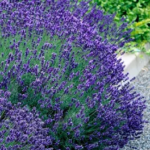
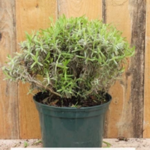
have approx. 50 3 year old french lavender plants that have died. they appear to have a geyish foliage. the plants flowered but the problem started during the summer of 08 with some plants showing signs of failure. this year new growth is very sparse and non existant on most plants ???????? help.
will obviously have to remove the lot but would like to know possible cause.
have approx. 50 3 year old french lavender plants that have died. they appear to have a geyish foliage. the plants flowered but the problem started during the summer of 08 with some plants showing signs of failure. this year new growth is very sparse and non existant on most plants ???????? help.
will obviously have to remove the lot but would like to know possible cause.
I’m sorry to hear about that. Am I right in assuming that the plants had been in the ground for about 2 years in the summer of 2008? If so, they would have been well established and the overwhelming probability is that the drainage of the soil where they are planted isn’t to their liking. Check the plants for soft, loose bark as described above and try twisting a few of the worse looking specimens – it will be pretty obvious if they have begun to rot from the roots up.
Lavender loves poor soil because it tends to drain so well. Heavier, more fertile soils trap more moisture and can be too damp for lavender. If that is the problem, the solution is to build a mound or ridge by digging in lots of sand, grit and bark mulch until the level of the soil is raised by about 15-20 cms (digging a trench and filling the bottom with stones is usually counterproductive, especially if you have lots of clay in your soil.)
Lavandins (Lavandula x intermedia) are slightly better at coping with damp than other varities – we will be selling them later this year.
If that doesn’t sound like the problem, please send us more details!
2 years ago I moved into a house with a lavender border enclosed on two sides by planks but free draining underneath. Last year a horrible white fungus like melted plastic appeared on a number of plants at root level and the plants died. I disposed of them but this year when I went to replace them, I found several others affected. It seems to be in the roots. I don’t know what to do.
Bonnie, we have the same problem. Last year we’ve planted 12 bushes, they grew very well. This year one of them has a strange white fungus on stems and I don’t know what to do.
Hello,
I live in Rhode Island and my 4 feet in diameter 3 year old lavender is getting that wilty look at the flower and showing only a few buds…leaves have some sort of spot but it is not a dark spot…yellowish grayish. I have about 7 old and new lavenders around it…Ugh…do I have to remove it? and can I spray something on the others? This is a large variety of French lavender. I am sad.
OOPs. I live in USA in Rhode Island close to Mass and NY.
Hi Bonnie and Iryna,
Firstly, there is no guarantee that you both have the same problem – just about every fungus begins making its way in the world as a mass of white fibres called the Mycelium and most of them fit the description of “melted plastic” (or “strange”, for that matter).
If it is affecting the roots, then there are spores or dormant fungus colonies in the soil and they will continue to re-infect any susceptible plant that you put there. There really is no way of telling what it is – even an expert would probably need to do tests in a lab.
I hate to let you down, but I am afraid that soil fungi are not our area of expertise. When we have had fungi goings ons in our garden in the past, we have resorted to digging out about a metre of soil and replacing it. Then again, we do live in a honey fungus area, so we are quite paranoid about this sort of thing.
The best thing that you can do is to find someone who knows about fungi to come and take a close look – even if you sent us a good photo, I doubt that we would be able to identify the culprit.
Failing that, pull all the plants out, replace a reasonable amount of soil and plant something else – I wish there was an easier option but if there is, we don’t know of it.
Be brave – my grandfather said that if something wouldn’t grow in his garden then it wasn’t going to be invited back.
Hi Gloria,
I know, it can be rough to have to deal with a sick plant – if only we could put them in bed for a week!
Before I jump to any conclusions, what has the rain been like where you are? Has the ground been either very wet or very dry? Have you been watering the plants every day (a common mistake with lavender – if it is dry out, a good drink once a week or so is best)? Do you trim your lavender after it flowers (this encourages good flower production)?
Since you say that you have other lavender plants around it, it does seem unlikely that this one got too wet/dry without the others having similar symptoms. Still, I have to ask.
Alfa Mosaic Virus causes very distinctive, curled up, contorted leaves with spreading yellow patches. On the one hand, this disease is very rare (in the UK at least…). On the other hand, it is fatal and quite contagious, so you really want to get the plant out of there and on the fire if you think that you do indeed have it – if it comes to that, don’t touch the surrounding plants until you have cleaned your hands well.
Get back to me with as much detail as you can.
Hello,
I have several lavender plants in my garden (varying ages, from 1 to 4 years) in Medford, Oregon, USA, and some of them are exhibiting a wilting of the flower stem, about 3 – 4 inches from the top, and then the stem above that point dies and the budding flower with it. The growth of the whole plant is vigorous and full, but when the buds appear, some parts of the plant wilt, as described. I have checked the bark for any black shapes, but there are none. We have clay soil, which I amended well with compost before planting.
This started with one plant in summer, ’08, and now other plants, not adjacent to the first one, are showing the same signs. Any suggestions? Many thanks.
Hi Marianne
I would guess that the dying stems are being caused by a fungus called verticillium. While it can affect whole plants it more usually is seen in individual branches or stems (a symptom known as inconsistent wilting).
Verticillium is soil borne, and travels from the roots up through the plants vascular system. To protect itself lavender (and other plants attacked by verticillium) block off their water passages in an attempt to stop the fungus spreading. No water = wilting/death of bits of the plant.
Unfortunately, if it is verticillium, then you have a bit of a problem. You can’t cure the plants – they are best removed and burned. AND the disease remains in the soil for a fair while (3-4 years) after the host plants have been destroyed. You can try to be less drastic and just prune out and destroy infected bits. Always disinfect your secateurs in between EACH cut by wiping the blades with a rag soaked in surgical spirit, Jeyes Fluid, Dettol or another strong disinfectant (not bleach). Then feed the plants with a general purpose fertiliser and hope…
Fungal infections are easily spread so carefully clean boots and tools when you have finished…
Good luck
Julian
Thanks for the useful info. It’s so interesting
Hi,
I have a whole row of lavender and recently noticed that one plant is dying with the bottom stems and leaves turning grey and drying up. I have just checked the rest and when inspecting closely at the bottom some of the leaves are turning grey to. Do you know what this might be? Is this perhaps also verticillium?
Many thanks
Gitta
I bought 4 2 gallon lavenders (from someone else I hasten to add). I transferred them to a planter and watered deeply. One of them had signs of wilt (flower stems look and feel limp and the “rabbit ears” on the flowers are down, not upright). I watered and the plant seems to recover, with the flower stems feeling more rigid. The next 2 days, they appear limp again and recover after a watering. The other three plants however are okay and do not wilt even after after days without water. Did I just get a bad plant? or has the plant not settled yet.
Hi! I’ve tried to grow French lavender twice and both time the leaves have developed unsightly yellow spots/blisters.
I can’t find anything to tell me what this might me!
Any help appreciated!
I bought 12 lavendar plants from Lowes and, within a month of planting, they have all turned black. I am sure I did not overwater. Do I need to dig out the mulch and dirt, in addition to removing all the plants? Is there not some kind of treatment I could put down and miz into the soil to kill the fungus or bacteria? The area where I planted these lavendar is about 6 ft X 20 ft. and the only other thing I had planted is 3 parsonii junipers.
This info is so good, im sitting in my highshool hort. class, my friend owns about 1000 lavender plants and makes it into oil each year, THIS IS SO INTERRESTING
Hi have had some very heavy rain in the last few weeks (every day). Noticed my 1 year old lavender bushes have turned black. have got some green shoots on one. Do I remove them or do I try to save them? Al
Definitely too soon to give up on your lavender plants. While it may be disease, the black is more likely to be frost damage to young, tender leaves. You will remember we have some quite hard frosts in March and early April and it takes time for the damage to show. If it is they will grow out of it over the next 4-5 weeks and then should be fine.
Good luck
My daughter has a beautiful huge hedge of Lavender…looks like we are in Provence…two of the plants in the middle of the hedge are dying. Wilting, browning stems and cob webs. Do you have any idea what could be going on? The plants are several years old, about 2′ high X 2′ wide. Please help!
Hedging of lavender does not live for ever. Depending on conditions 5-8 years is a pretty good estimate. You do not say how old the hedging is, so it could simply be old age. Otherwise, I would be inclined to put it down to drainage being worse there than along the rest of the hedge, and they have drowned.
I recently brought a young plant in for the winter and it has contracted small red spots on some of the leaves. I did find a small spiderweb but it was removed and hasn’t turned up again for weeks. I’m not sure if it’s important but other plants near the lavender got whitish spots on the leaves. I took them away several weeks ago. I’m not sure but it doesn’t look like fungus. I’m wondering if maybe a bug laid something or. . . Any insight is appreciated.
Hi, I bought a potted lavender plant/bush for half price, half of the plant was wilting, I thought because it needed watering,took it home and put in my unheated greenhouse,noticed when I trimmed the wilted part back that one of the woody stems was split and an orange colour. it is a butterfly type lavender. Could it have been too wet?
Almost certainly: “you pays your money, you takes your choice”.
Plants are sold cheaply for good reason. Lavender that has not been looked after in a pot develops a number of conditions, especially the showier “butterfly” which is more sensitive to moisture and temperature.
Next time try something proven to be tough like Hidcote Lavender.
Good luck
I am assuming this is a lavender query. One of the reasons we don’t sell lavender in the winter (and why it is not a good idea to buy it then) is that pot grown lavender can easily be diseased then. The best thing to do is to email a photo and your query to support(at)ashridgetrees.co.uk
Best
Hi
I have recently had a delivery of approximately 2,500 lavender plants, procured directly by my client from a nursery in Belgium. Initially the lavender was growing away great, but now I have noticed as the flower heads have developed some appear to have browned off and completely wilted. Some plants are completely effected, but others there are signs of it starting to spread through the plant.
From what I have researched it sounds like shab!
I will check the stems with a magnifying glass,to look for the black spots to clarify if my suspicions are correct…
Thanks for your post.
I am not sure there is much I can suggest that is positive.
1. I would get the diagnosis of shab confirmed, but it certainly sounds a possibility. (You do not mention the vatiety, but shab is more likely in Munstead than Hidcote). If so there is no effective cure.
2. If it is, your grower should replace them.
3. Don’t buy from him again as shab is in part a result of poor plant hygiene.
4. We are a UK supplier so I would say this, but you buy on the continent at your own risk. Often cheaper, but quality is always uncertain and recourse when something goes wrong can be hard.
Good luck
My lavendar has great top growth and flowers the problem is it looks black and dead underneath it is 3 years old
Sorry to hear about that, if you like you can email us some pictures and we can advise you accordingly.
I have the same problem! I have english and munstead and hey both are dark black like at the base! I dont know what to do!!!
Some of my lavenders have a dry crystalline white powder around the leaf joints – it crumbles when picked off.
Is it a fungus ?
Can you send a photo to marketing@ashridgetrees.co.uk?
Hi I have 2 lavender plants. They were in pots outside over winter but realised they had no drainage holes in the bottom.
The soil was very very moist! They were against a fence.
I have since moved them onto a sun deck. One was expose nothing behind it. But it has since turned slightly grey and looks sad!
One is flowering and very very happy!
I have moved the sad one against a wall. It’s looking a bit happier now with green leaves and buds in places (mostly around the outside of the plant). Could this be root rot or?
Thank you so much for your help!
Hi there! I have a small French Lavender in a pot which I’ve now had for over a year. It was fine over winter as not too cold. It’s already produced lots of flowers but the leaves look really grey. It’s not been overwatered (in fact in this dry spell I forgot and flowered drooped; they perked up after a good weekly soak). Any ideas? I planted in compost so wondering if I should mix in some sand?? Thanks!!
Hello! I recently came across this post looking for some help with my lavender plant. I have several (8 I believe) very large, really well established bushes around my house. I’m not certain of the specific strain, but it’s typical looking (not Spanish lavender or anything). All of the plants are doing really well except one. I can’t seem to find anything wrong with the plant, but the flower buds are turning white. When they fully open, they’re still purple but the closed buds are completely white. Last year it was half the plant and this year it has slowly spread to about 2/3 the plant. It is one of the main bushes that frame the house so I’m worried something is slowly killing it. Any advice on what I should look into?
I had a very happy lavender plant that I kept indoors in my window. I’ve had it for a few months so far and it’s been very healthy and happy. Last week, suddenly, both it and the rosemary plant that lived next to it in the window wilted, for seemingly no reason. I watered them, hoping it was just that, but they were both dead within 3 days. I didn’t notice anything on the leaves, and I checked both of them for root rot and found nothing before I tossed them into our fireplace. I didn’t check for that Shab disease before I burned them, so I have no idea if it was that or not. Does anyone have any input? Was it that shab disease? Do i need to do something to protect my other plants that live in the same room?
If it was shab then it is unlikely to affect any other plant species.
I cannot find your email address on our database, so I presume the plant(s) came from someone else. Our first advice in that instance is always to talk to the supplier. If nothing else, they need to know so they can replace under their guarantee. If they have one. However, it sounds as if it is in need of repotting. Any compost would be exhausted by now, so there is probably no food in the pot.
Hi, My lavender plants have tiny shiny, white-ish/gold ish balls collecting on the underside of the leaves. They are also collecting in some of the flowers. I don’t know what they are but they have killed one of my plants and are spreading to the others. On the plant where it was the worst some of the leaves had rows of them on the underside. This lavender mum is worried!
Thanks for your enquiry. I cannot find your email on our database, so I am guessing that you bought your lavender elsewhere. If that is the case then either:
1. Get advice from the company that sold it to you who – by definition – know more about variety, size and how it was grown etc than we do, or
2. If you still want advice from us:
a. Sign up for our newsletter (top right-hand corner of any page on our site),
b. provide details here of the variety of lavender and when it was bought plus a picture of the plant(s) showing the “balls” on the leaves and we will be only too happy to help if we can.
Many thanks
My 2 yr lavender hidcote have all died but the 1 yr old hodcote I bought from you are fine I have reordered from you to replace the dead ones I am now worried in case it is a disease or did they get too wet but why weren’t the others as they were in the same bed and soil Please advise
Hello Diane,
Since you didn’t buy the 2-year-old plants from us, there isn’t much we can say for sure. The larger a plant is, the more likely the stress of being transplanted is to kill it, especially if it has been grown poorly and (in the case of pot grown plants like Lavender) is root bound, but for all of yours to die implies that you either bought bad stock, or that you did something different with the 2-year-old plants and either don’t remember or didn’t realise. Assuming that the older plants all died in one go while the younger plants are all looking perfectly chipper, disease does not sound likely in this case, but without inspecting them it’s not possible to say for sure.
Remember that Lavender in the ground needs to be watered well once or twice a week in dry weather during its first year, at most three times on very dry sites (i.e. every day is too much), and may need a tiny bit of help in year two, but by its third summer it will only ever need watering in an extreme drought. If you are watering nearby plants, this might be the source of too much moisture for your lavender.
Best of luck with your new, lovingly grown, and may I say glorious Hidcotes!
Hi! I recently bought 3L French lavenders from ashridge. They were beautiful when they arrive, I transplanted them into that backyard with compost and about 30% sand. However after 1-2 weeks they seem to have gone a little yellow and it seems like there’s also some brown spots. I haven’t watered them for the 1st 2 weeks as it was raining pretty often this spring, I cannot decide if its too much water, stress from transplant or its fungi and am not sure what I should do?
Thanks for your post. For better support, please use the online chat button on our any page of our site as we do not deal with customer support issues through the blog. However, I would be concerned at 30% sand for two reasons.
1. That is a lot of sand in any planting mix. Lavender prefers poorer, well drained soils, but it won’t grow on a beach…
2. Unless the sand was washed, horticultural sand it is will contain a number of chemicals that will harm plants. Normal builders sand will kill most plants.