 Blog
Tins for the next three days, fruit trees for the next thirty years
Why bare-root season is the time to start growing your own fruit A stack of tins will see you through three days…
Read more Blog
Why bare-root season is the time to start growing your own fruit A stack of tins will see you through three days…
Read more Blog
A hedge is something animals eat Most people choose a hedge by looking at it. If you keep horses, sheep, goats or…
Read more Fruit Trees & Bushes
Apple Day is 21 October, marking Britain's apple diversity since 1990. Plant a fruit tree this autumn and grow your own piece of orchard history.
Read more Bulbs
The dusty strip under the birch and the bare ground along the hedge are where snowdrops, cyclamen and bluebells grow wild, and where they do best in a garden. Here’s which bulbs to plant under trees and hedges, and how to get them in among the roots.
Read more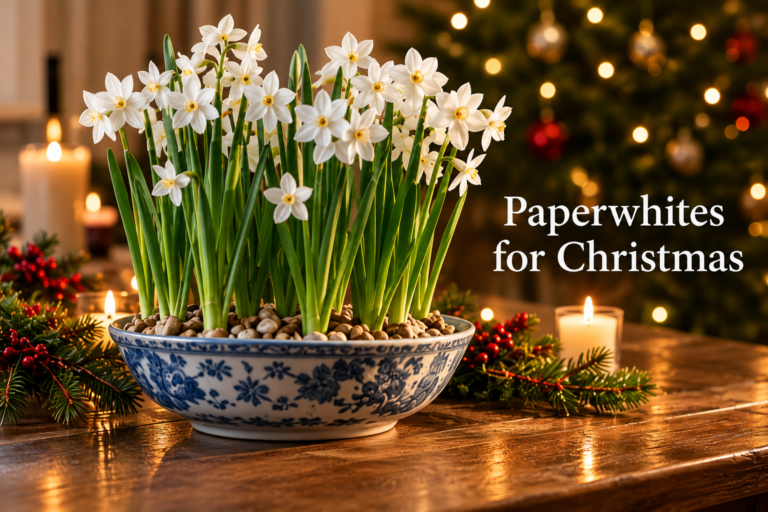 Bulbs
How to force bulbs for flowers indoors this winter. A bowl of paperwhites on the table at Christmas fills a room with…
Read more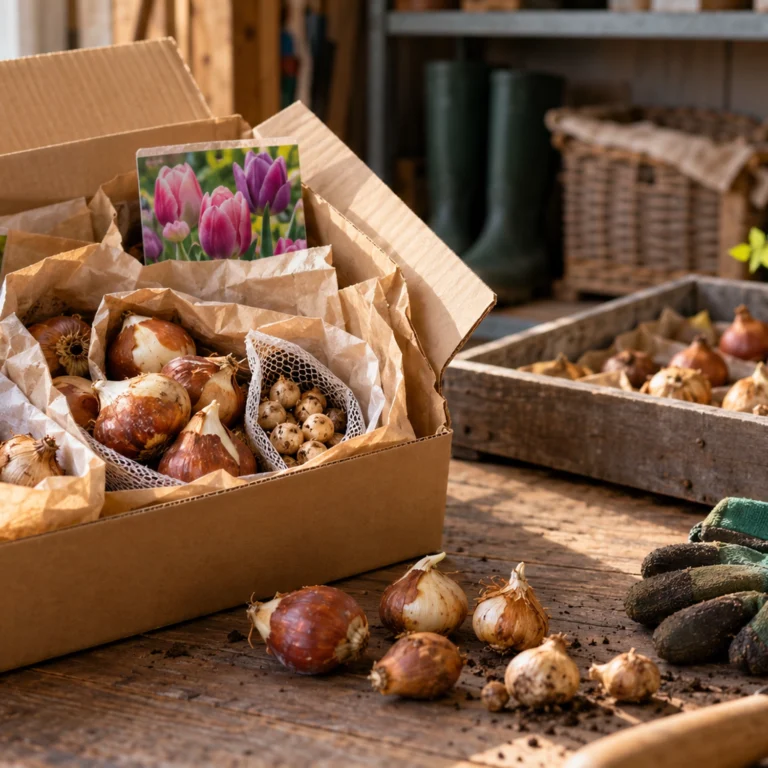 Bulbs
Your bulbs have arrived, the weekend is five days off and the forecast says rain. Don't fret. A dry bulb is a…
Read more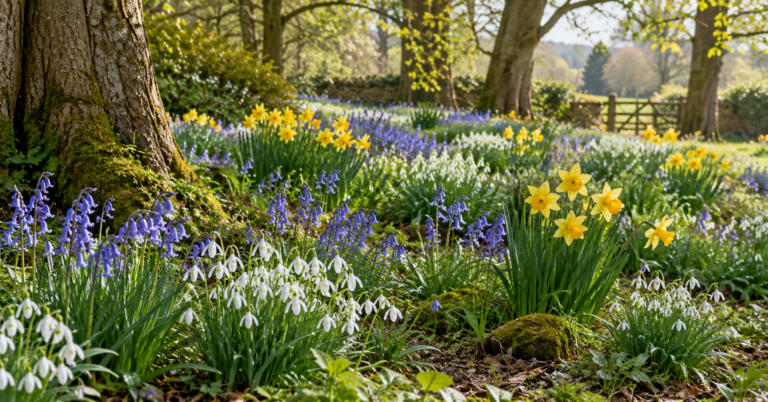 Bulbs
Plant bluebells, snowdrops and daffodils this September for the best spring display. Depths, spacing and planting tips for UK gardens.
Read more Gardening
71% of England was in drought this summer and reservoirs are still below average. Here's what it means for autumn planting UK-wide.
Read more Blog
It's the email (or rather, the panicked photo) we get every single year: a bundle of twigs, looking about as lively as…
Read more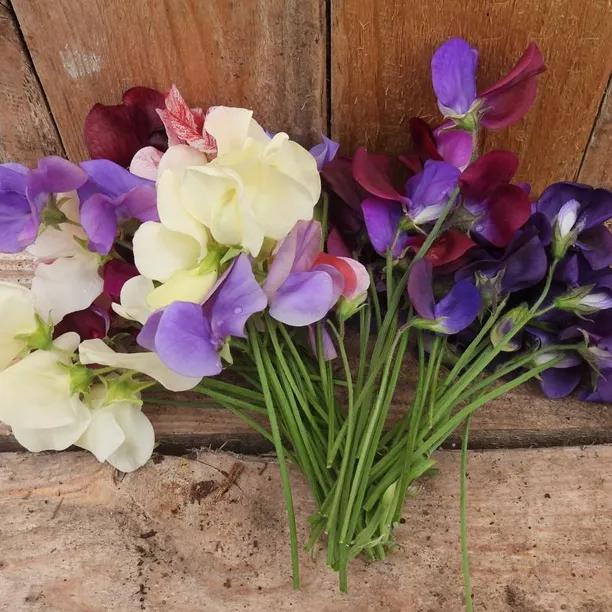 Bedding
Find out exactly when to plant sweet peas in the UK — autumn or spring sowing, planting out dates by region, and plug plant timing. Advice from Ashridge Trees.
Read more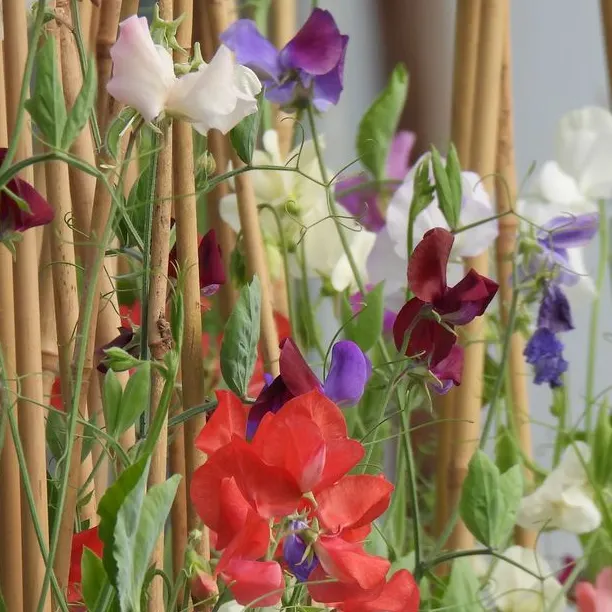 Bedding
Choose the best sweet pea supports for UK gardens: wigwams, cordon canes, pea sticks, netting and more. Expert training advice from Ashridge Trees.
Read more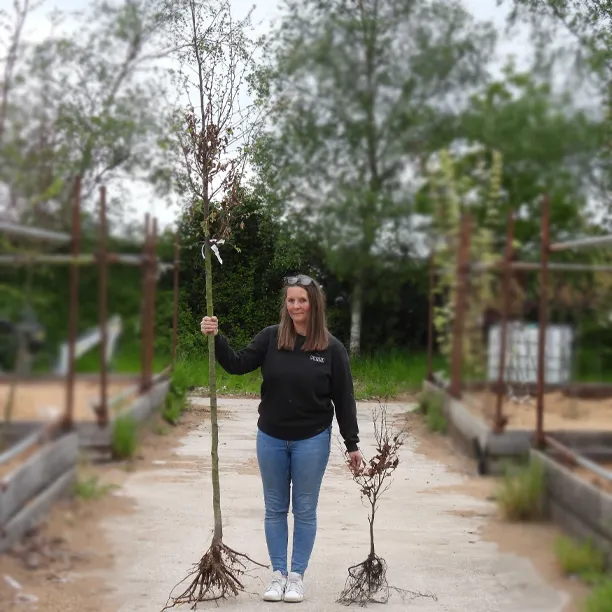 Trees
Learn how to plant a tree correctly in UK gardens — choosing the right species, digging depth, staking, watering, and aftercare. Expert advice from Ashridge Trees.
Read more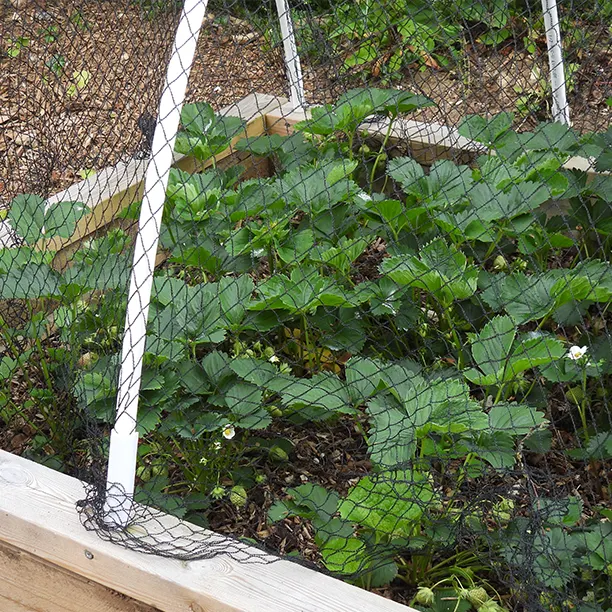 Fruit Trees & Bushes
Everything beginners need for growing soft fruit in the UK — planting, soil prep, pruning, feeding and harvesting raspberries, currants, blueberries and blackberries.
Read more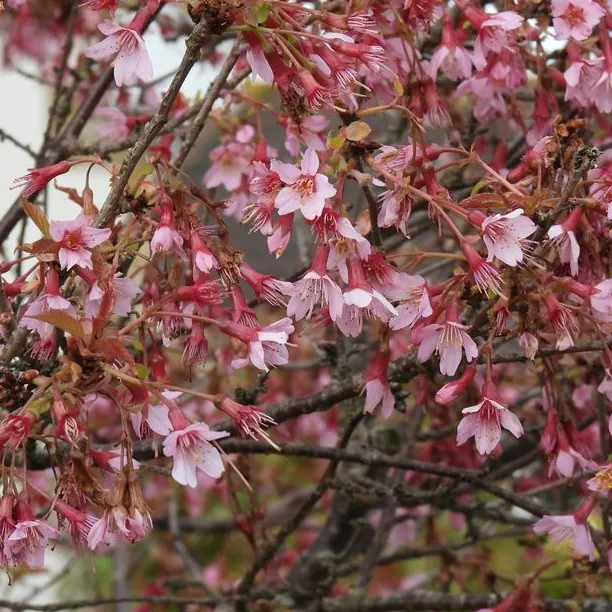 Trees
Discover the best flowering cherry tree varieties for UK gardens. Expert advice on planting, pruning, soil, size, and seasonal interest from Ashridge Trees.
Read more Bedding
Discover the best sweet pea varieties for fragrance, cutting, and colour. Expert UK guide covering Spencer, grandiflora, and heritage types with honest variety reviews.
Read more Fruit Trees & Bushes
Discover the best soft fruit to grow in the UK: expert variety picks, seasonal planning, and growing tips for raspberries, blackcurrants, blueberries, and more.
Read more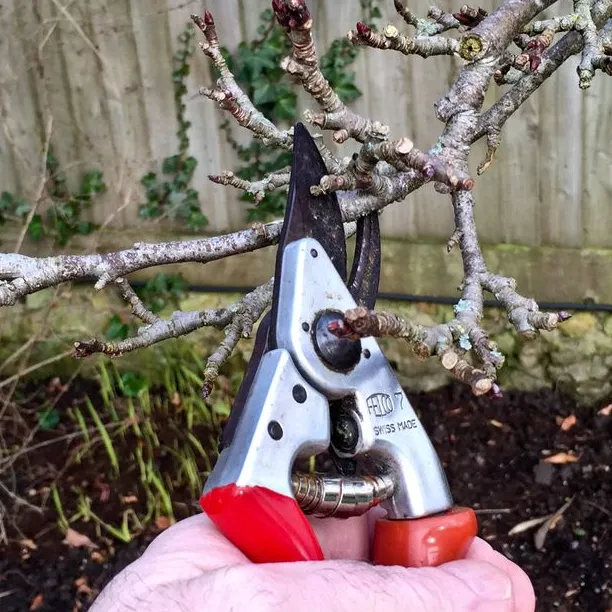 Fruit Trees & Bushes
Learn how and when to prune fruit trees correctly — apples, pears, plums, cherries, quinces and more. Expert UK advice from Ashridge Trees.
Read more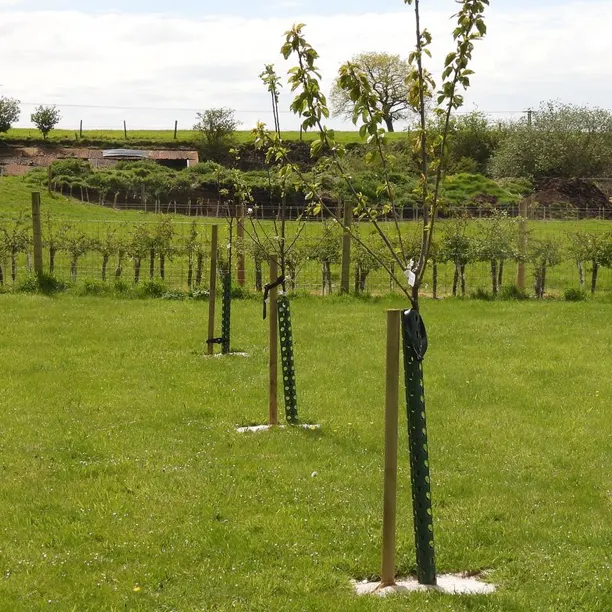 Fruit Trees & Bushes
Learn how to grow fruit trees in the UK: rootstocks, planting, pruning, pollination, and variety advice for apples, pears, plums, cherries, and quinces.
Read more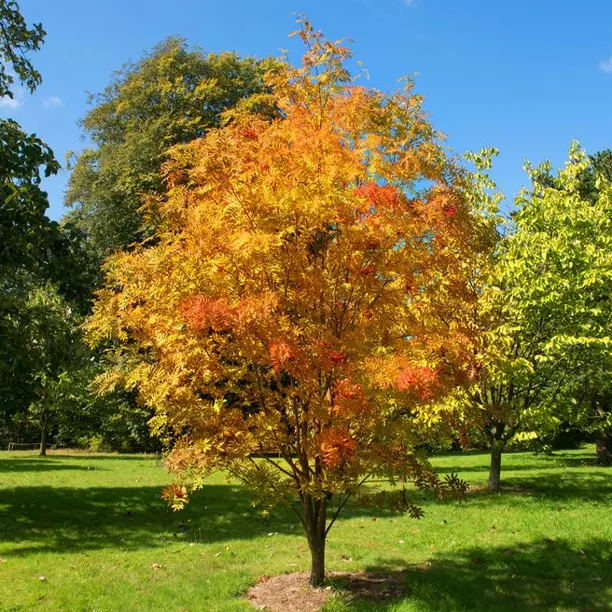 Trees
Discover the best trees for small gardens in the UK. Expert advice on compact varieties, clay soils, containers, and columnar trees from Ashridge Trees.
Read more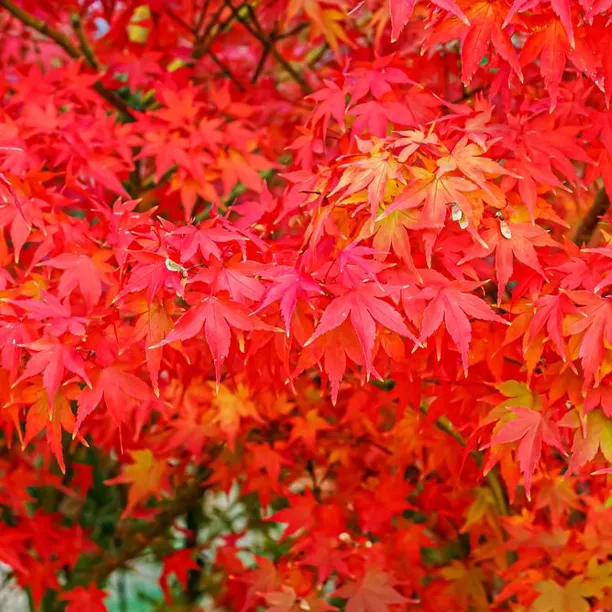 Trees
Discover the best trees for autumn colour in UK gardens. Expert advice on maples, rowans, cherries & more — with variety comparisons and planting tips from Ashridge Trees.
Read more Bulbs
When to plant bulbs in the UK: daffodils, crocus and hyacinths in October, tulips in November, alliums in between. Calendar, late planting and storage.
Read more Hedge Plants
Choose the best native hedging plants for your garden or field boundary. Species mixes, planting densities, wildlife value, and aftercare — UK expert guide.
Read more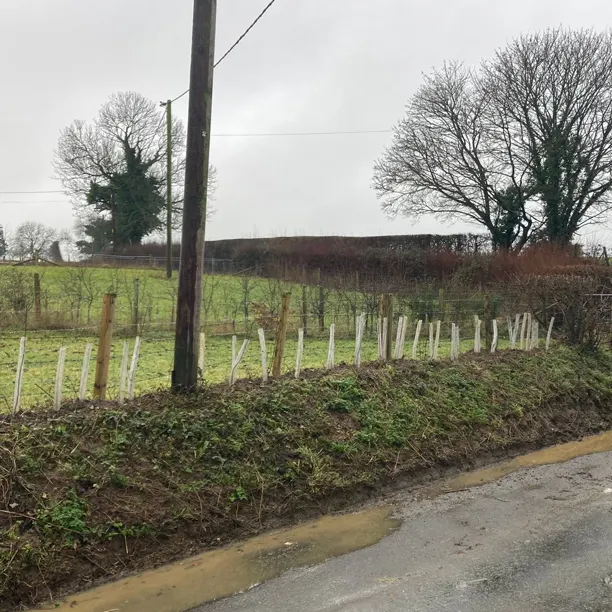 Hedge Plants
Learn how to grow a hedge in the UK: choosing species, planting times, spacing, soil prep, aftercare and pruning — a complete guide from Ashridge Trees.
Read more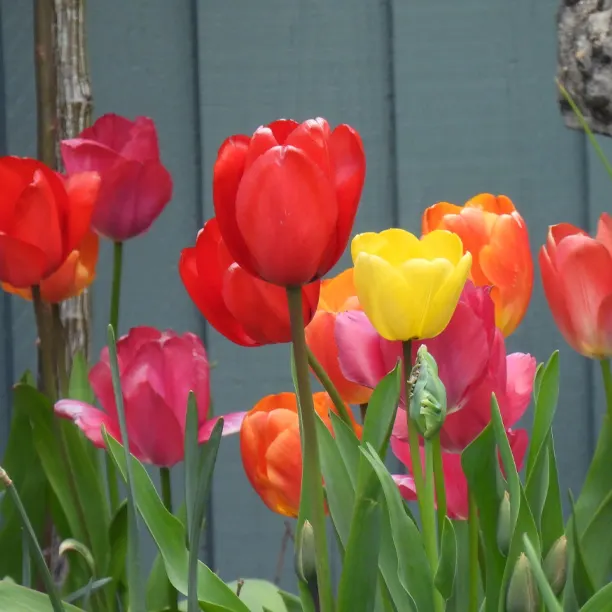 Bulbs
Learn how to grow tulips in the UK: when and how deep to plant, best varieties, container tips, aftercare, and solving common problems. Expert advice from Ashridge Trees.
Read more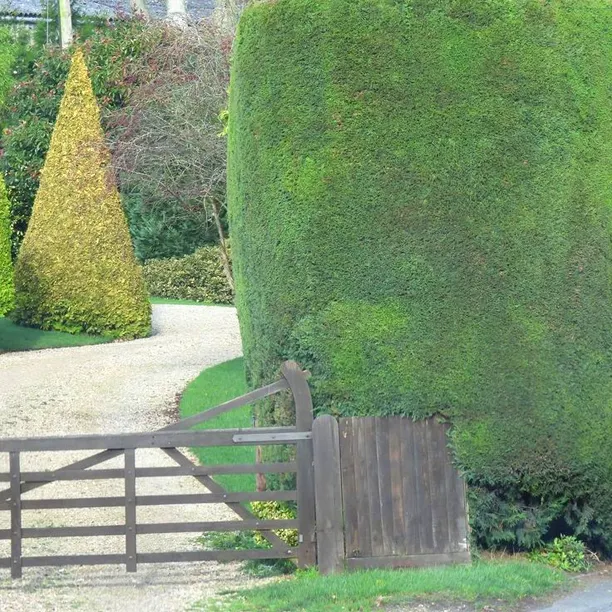 Hedge Plants
Discover the best evergreen hedging plants for UK gardens. Expert advice on privacy, shade, wildlife, formal hedges, spacing, planting and trimming from Ashridge Trees.
Read more Hedge Plants
Discover the best hedging plants for every UK garden — evergreen, native, wildlife, security and formal hedges. Expert buying guide from Ashridge Trees nursery.
Read more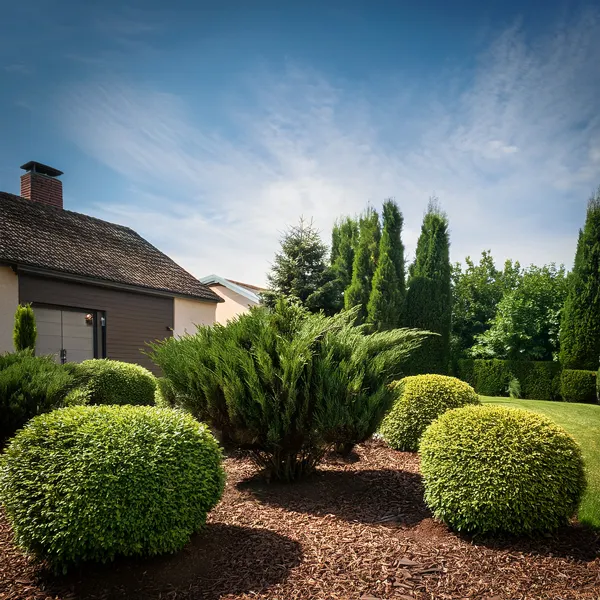 Garden Plants
Discover the best low maintenance shrubs for UK borders — Ceanothus, Choisya, Euonymus, Hebe and Hydrangea — with variety tables, care tips and planting advice.
Read more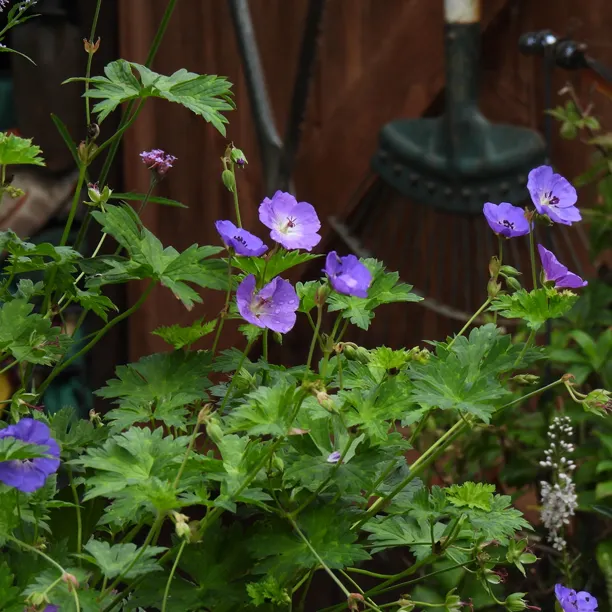 Garden Plants
Discover the best low maintenance perennials for UK borders. Expert advice on agapanthus, heuchera, salvia, grasses and more from Ashridge Trees.
Read more Garden Plants
Learn how to grow shrubs in UK gardens: soil prep, planting steps, pruning timing, watering, feeding, and the best varieties for every site and season.
Read more Garden Plants
Discover the best shrubs for shade in UK gardens. Expert advice on Euonymus, Choisya, Hydrangea, Elder & more — with variety comparisons and planting tips.
Read more Garden Plants
Discover the best perennials for shade — from hostas and heucheras to dry-shade survivors. Expert UK planting advice and variety recommendations from Ashridge Trees.
Read more Bedding
Discover what to plant with cosmos for beautiful borders. Companion planting ideas with dahlias, salvias, zinnias and more, plus Ashridge variety recommendations.
Read more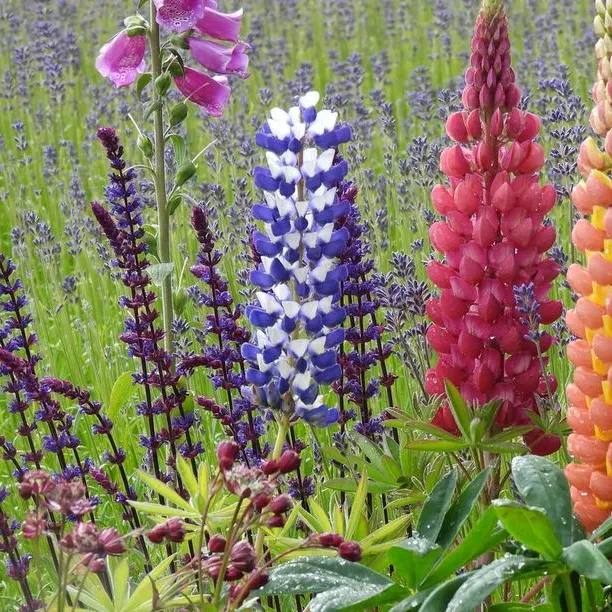 Garden Plants
Learn how to grow perennials in the UK: soil prep, planting, feeding, dividing, and the best varieties for sun, shade, and pots. Expert advice from Ashridge Trees.
Read more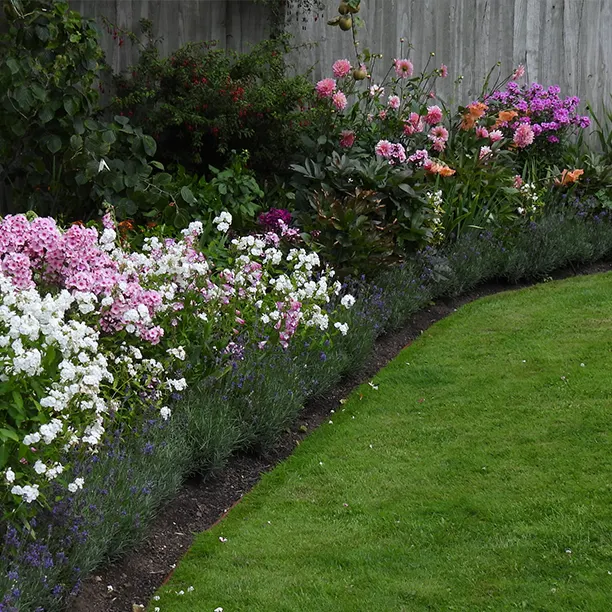 Garden Plants
Discover the best companion plants for dahlias — annuals, perennials, grasses and foliage plants — with colour-themed ideas and specific variety recommendations from Ashridge Trees.
Read more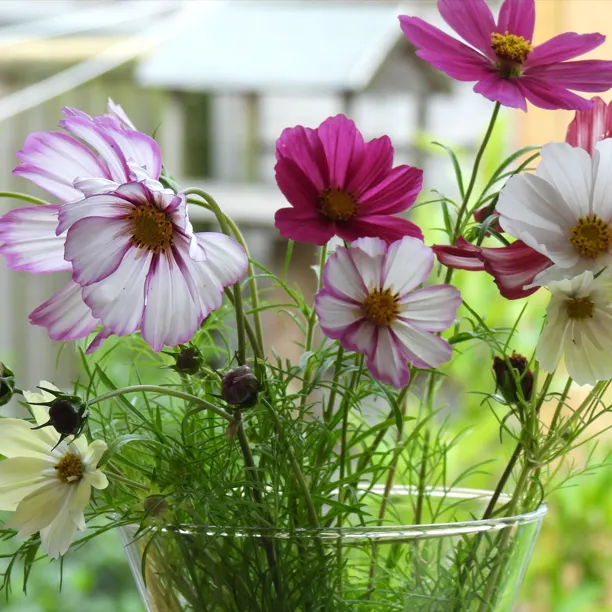 Bedding
Learn how to harvest and arrange cosmos cut flowers for maximum vase life. UK expert advice on timing, conditioning, best varieties, and colour palette planning.
Read more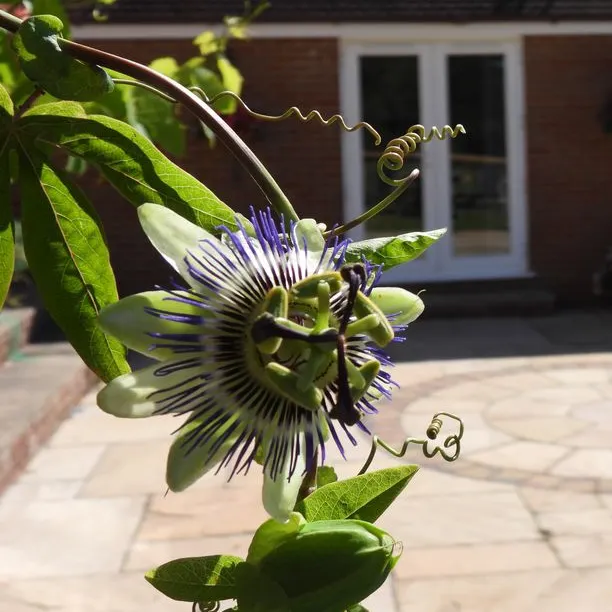 Garden Plants
Learn how to grow passion flower in the UK — hardy varieties, winter care, fruiting, pruning and planting tips from Ashridge Trees. Expert advice for all regions.
Read more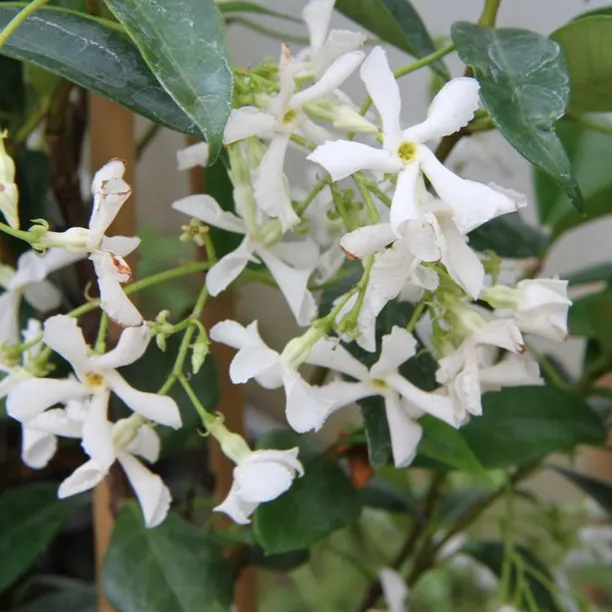 Garden Plants
How to grow jasmine in the UK: compare common jasmine, star jasmine (Trachelospermum jasminoides) and winter jasmine — planting, pruning, feeding and training explained.
Read more Roses
Grow beautiful roses in pots with expert advice on the best varieties, compost, pot sizes, watering, feeding and winter care from Ashridge Trees.
Read more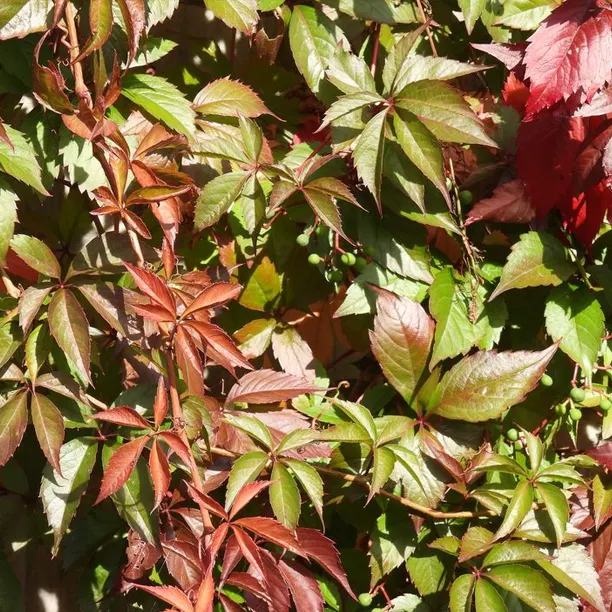 Garden Plants
Discover the fastest growing climbing plants for UK gardens — Clematis montana, Russian vine, golden hop, akebia and vigorous honeysuckle compared with honest advice.
Read more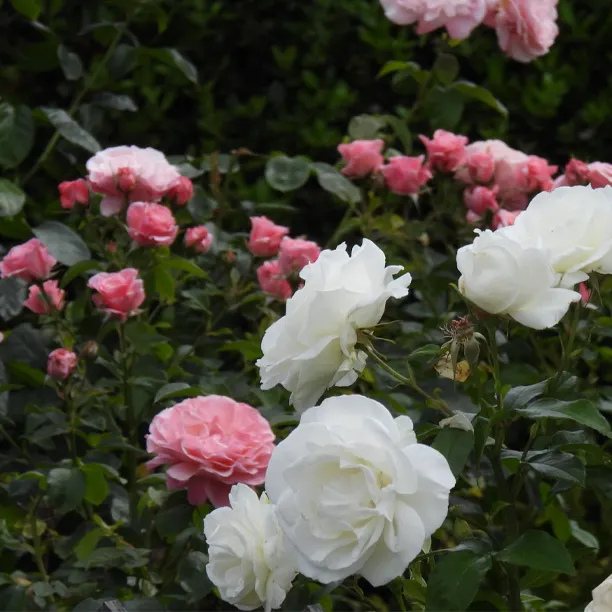 Roses
Find the best roses for your garden: walls, shade, scent, cutting, small spaces and hedging — with variety comparisons and honest advice from Ashridge Trees.
Read more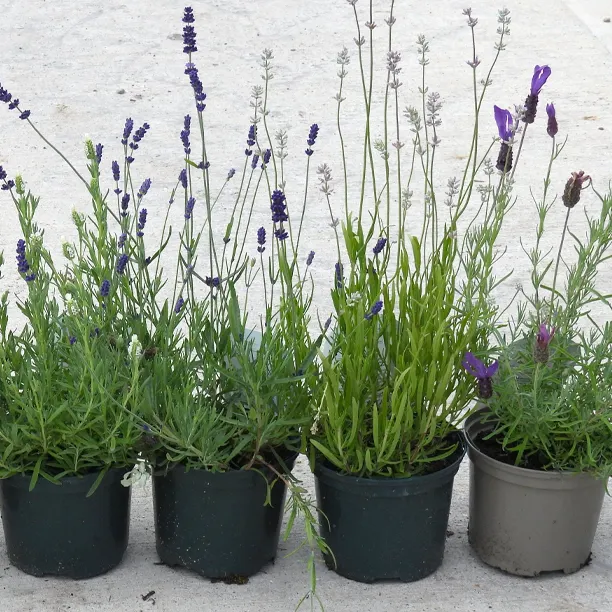 Garden Plants
Find the best lavender for hedging, pots, cooking, scent, bees or colour. Expert variety-by-variety guide from Ashridge Trees, with honest UK growing advice.
Read more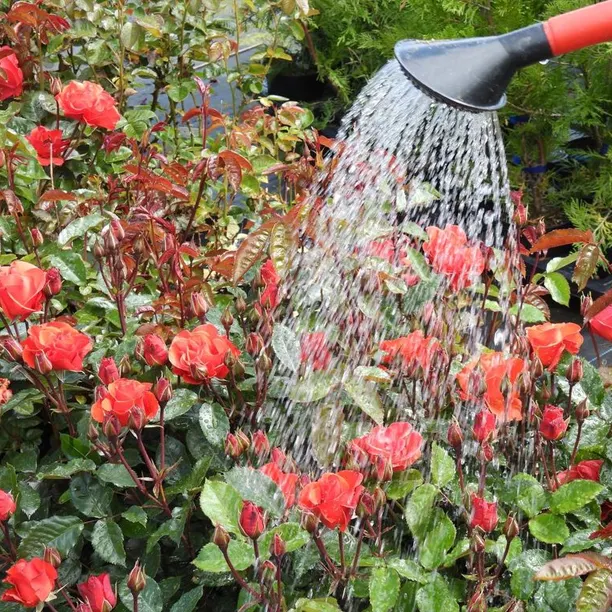 Roses
Learn exactly when to feed roses in the UK, with a complete spring, summer and autumn feeding programme, deficiency guide and variety-specific advice from Ashridge Trees.
Read more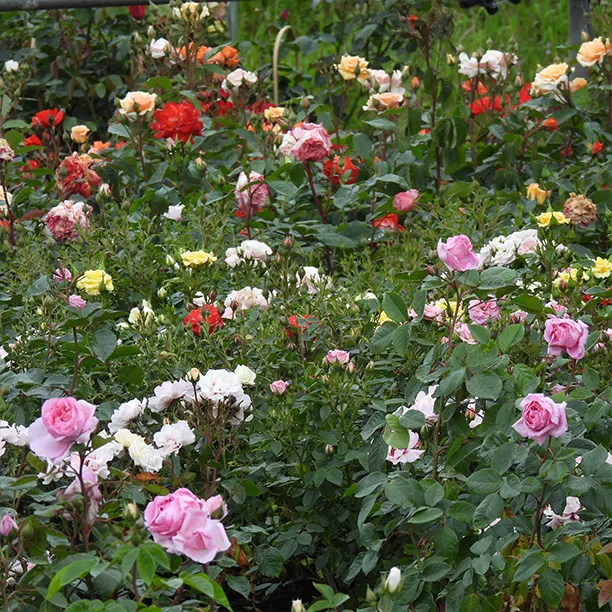 Roses
Discover all types of roses — climbing, rambling, shrub, floribunda, hybrid tea and old roses — with expert advice on choosing the right variety for your garden.
Read more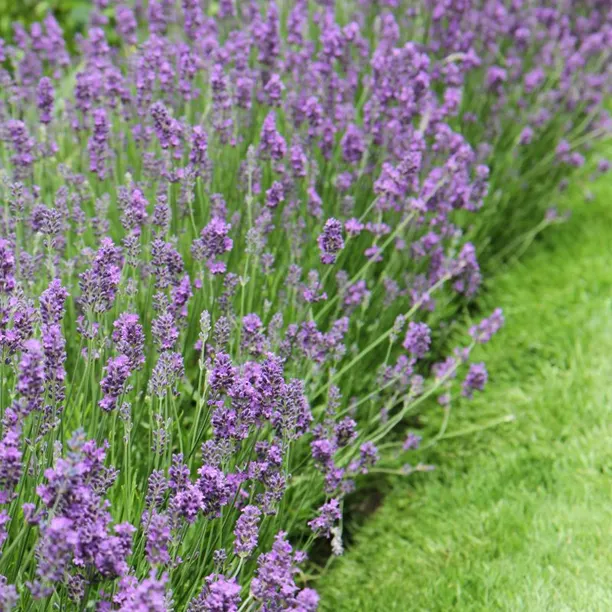 Garden Plants
Learn how to plant a lavender hedge: correct spacing (40–45 cm), best varieties for formal and informal lines, and expert tips for a solid hedge in year one.
Read more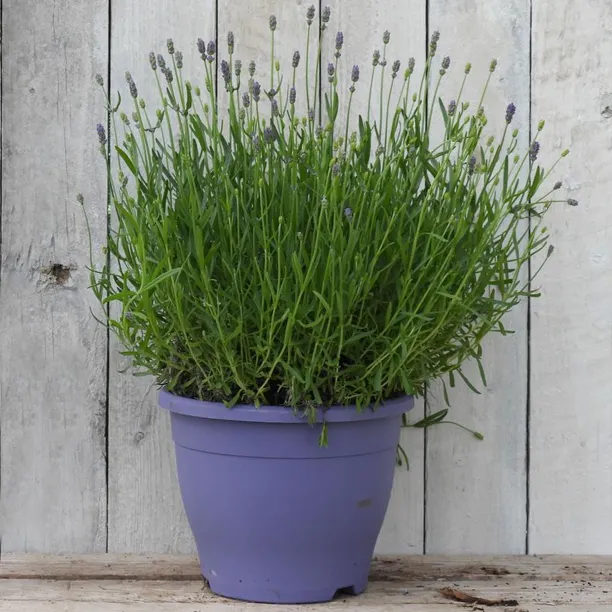 Garden Plants
Grow lavender in pots successfully with the right varieties, the Downderry compost recipe, and expert watering and pruning advice from Ashridge Trees.
Read more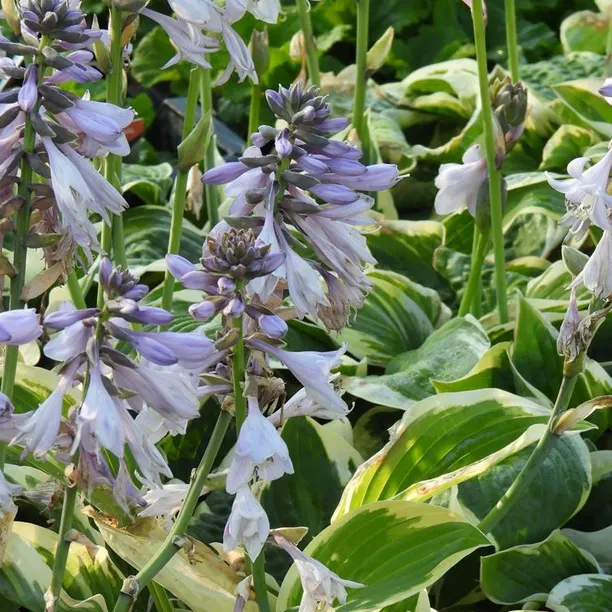 Garden Plants
Discover the best hardy perennials for UK gardens — agapanthus, heucheras, hostas, salvia and more. Expert advice on varieties, planting, and care from Ashridge Trees.
Read more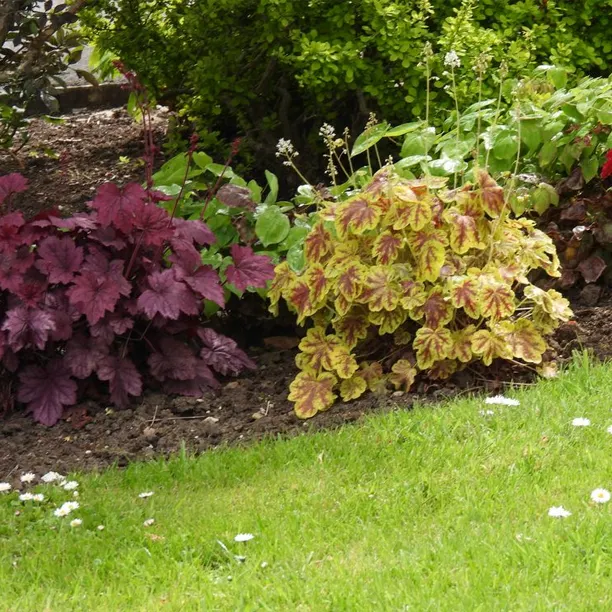 Garden Plants
Discover the best ground cover perennials for UK gardens — from hostas in shade to agapanthus in sun. Expert advice on planting, spacing, and variety selection.
Read more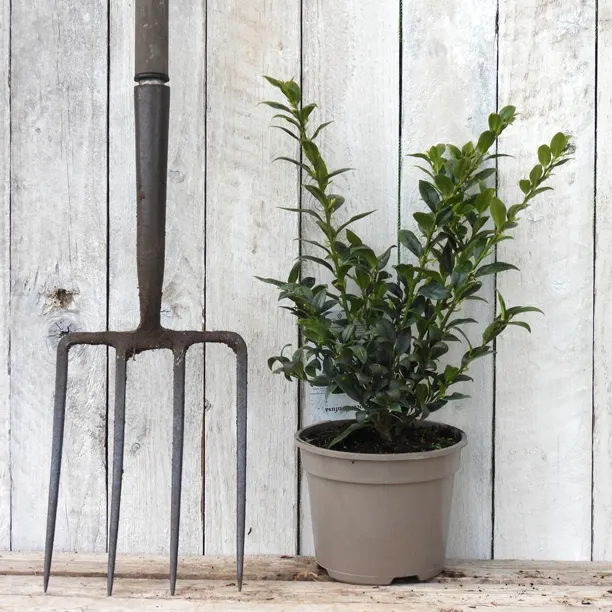 Garden Plants
Discover the best evergreen shrubs for UK gardens — from hardy Euonymus to fragrant Choisya and vivid Ceanothus. Expert advice on varieties, planting & care.
Read more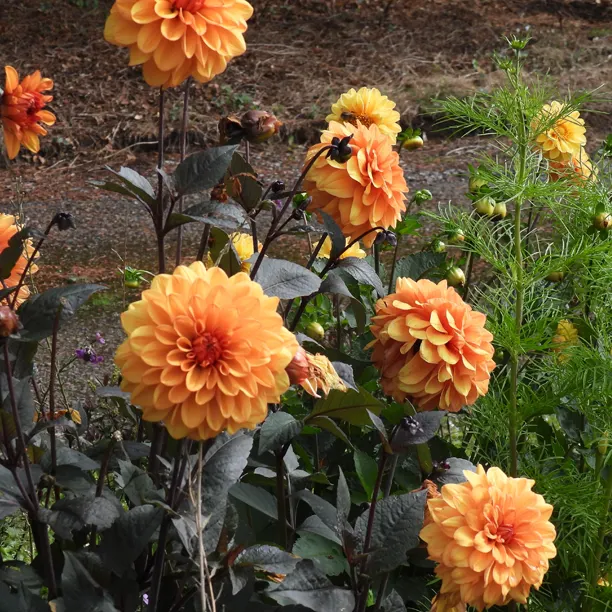 Garden Plants
Discover the best dahlias to grow in UK gardens. Expert variety recommendations by type, colour and use, with comparison tables and named tubers from Ashridge Trees.
Read more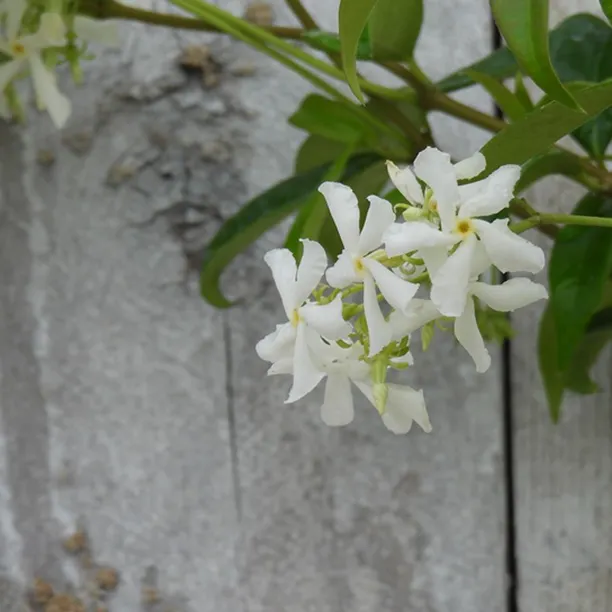 Garden Plants
Discover the best climbing plants for every situation — sunny walls, shady fences, scent, speed and year-round cover. Expert UK advice from Ashridge Trees.
Read more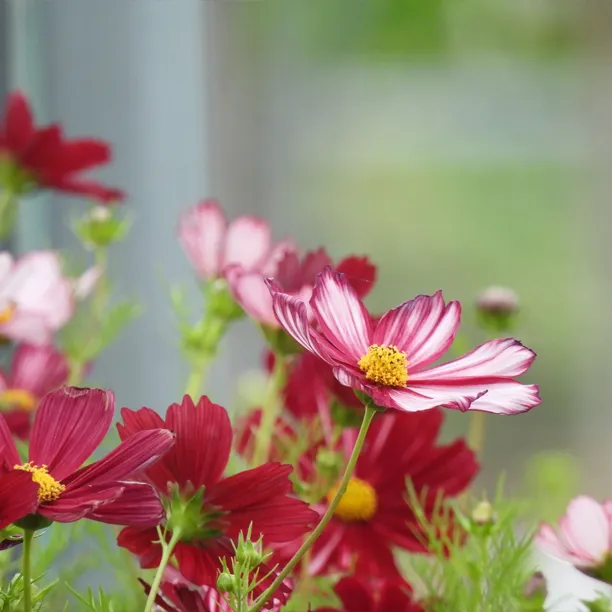 Bedding
Discover the best cosmos varieties for UK gardens. Compare colours, heights & uses — from classic whites to apricot & double-flowered types. Buy as plug plants.
Read more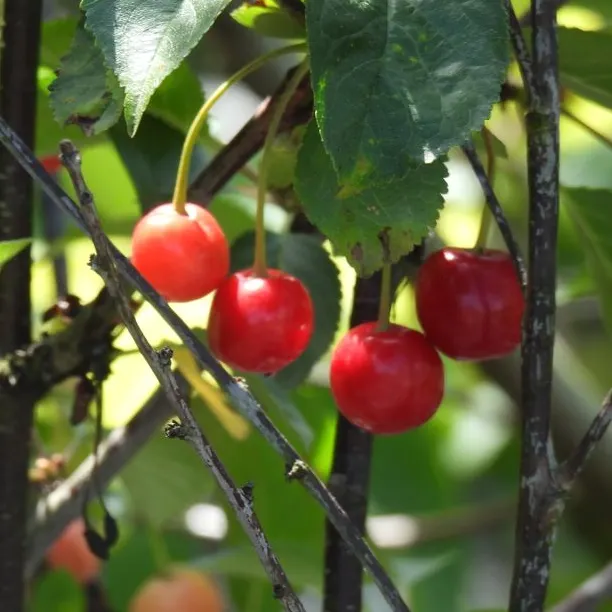 Fruit Trees & Bushes
Discover the best fruiting cherry tree varieties for UK gardens. Expert advice on sweet vs sour cherries, self-fertile varieties, rootstocks & growing tips.
Read more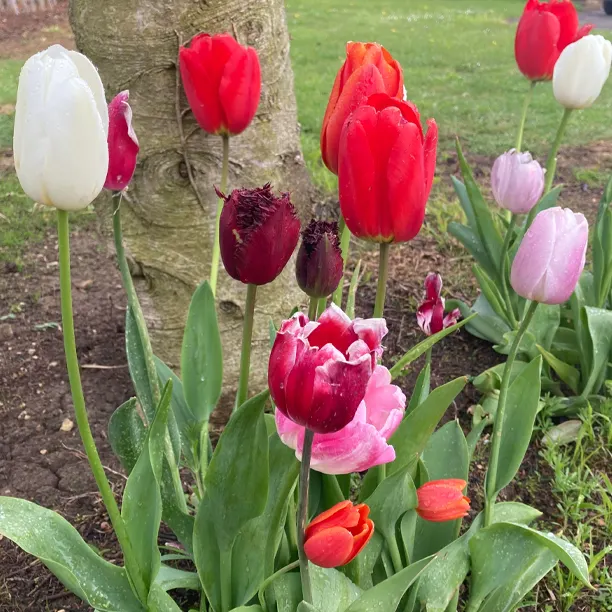 Bulbs
Discover the best bulbs to plant for your garden with our comprehensive guide. Expert advice on spring, summer and shade bulbs, plus container varieties.
Read more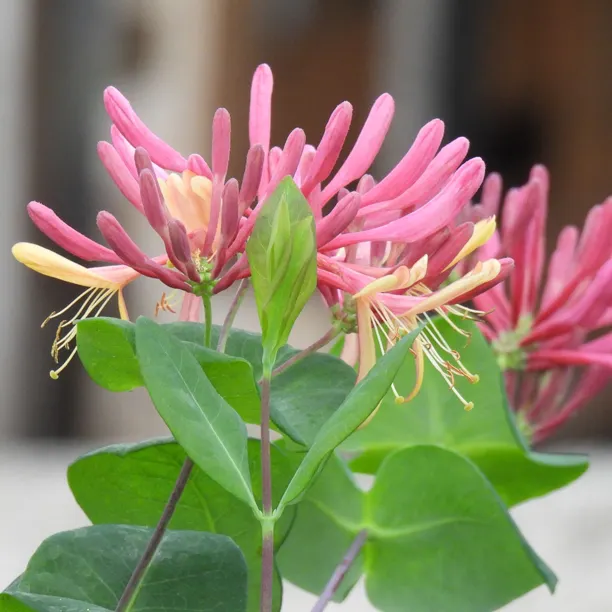 Garden Plants
Learn how to grow honeysuckle successfully in UK gardens. Expert advice on planting, training, pruning and choosing the most fragrant varieties for your space.
Read more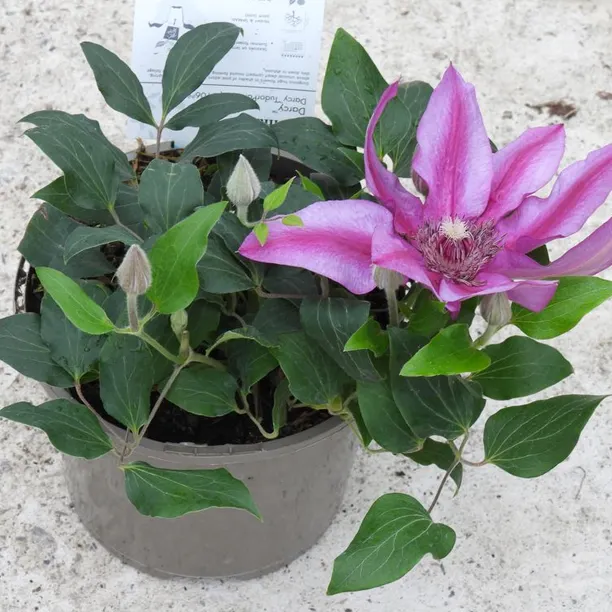 Garden Plants
Expert guide on how to grow clematis successfully. Learn correct planting depth, soil preparation, watering, feeding and first-year care for healthy climbing plants.
Read more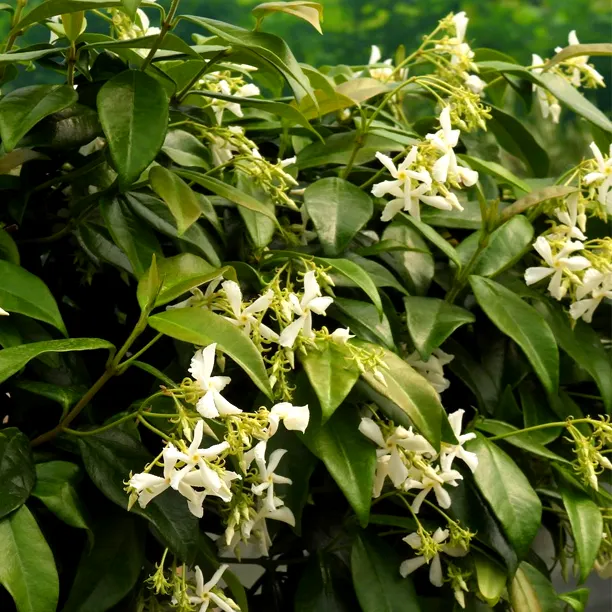 Garden Plants
Expert guide to evergreen climbers including Clematis armandii, star jasmine, ivy and honeysuckle. Year-round screening solutions for walls and fences.
Read more Blog
Chelsea Flower Show 2026 has opened its gates and the early reports are gloriously colourful – roses, clematis, salvias and delphiniums in abundance. We take a look at the biggest plant trends, the Plant of the Year winner, and how to bring a little Chelsea magic into your own garden.
Read more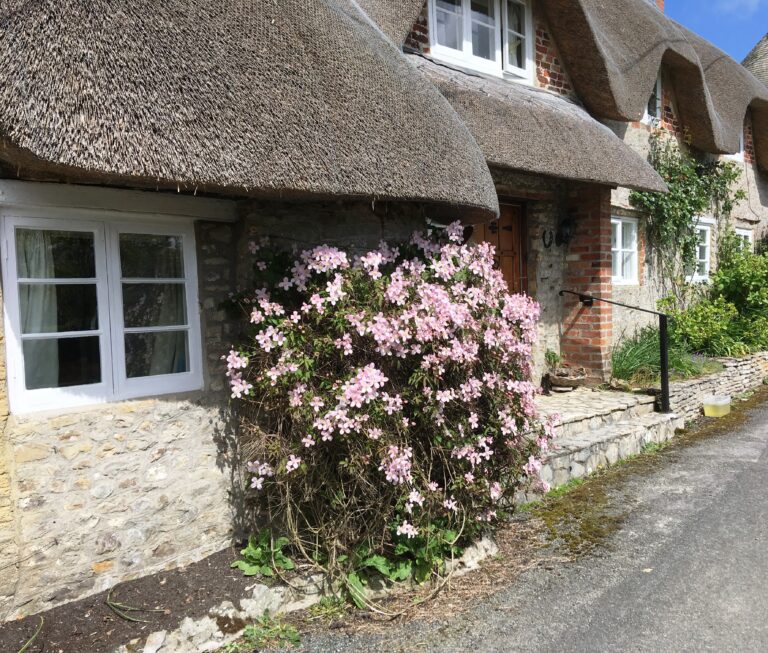 Garden Plants
Not sure which clematis to grow? We compare nearly 100 varieties. By situation, north-facing, pots, growing up roses, winter interest , colour, sise & scent. Written by someone who has grown clematis all his life.
Read more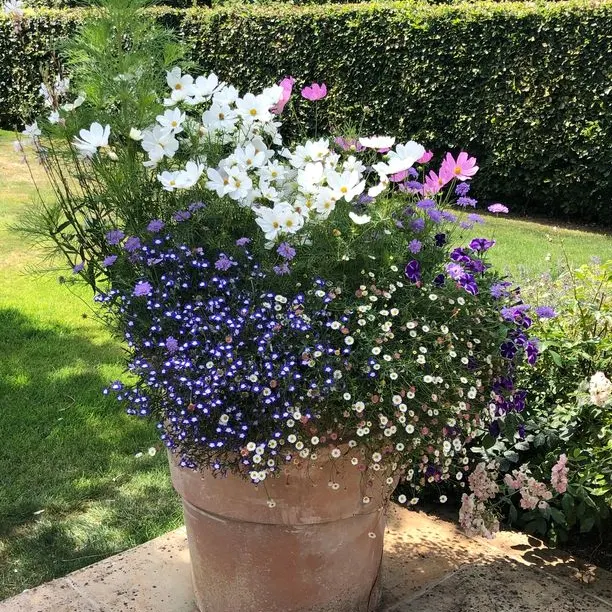 Bedding
Growing Cosmos in Pots Which cosmos varieties work best in containers, what size pot you need, how to plant, water, feed, and support them, and four planting schemes to try. Everything you need to grow cosmos well in pots, from a single Xanthos in a terracotta bowl to a full-height mixed planter.
Read more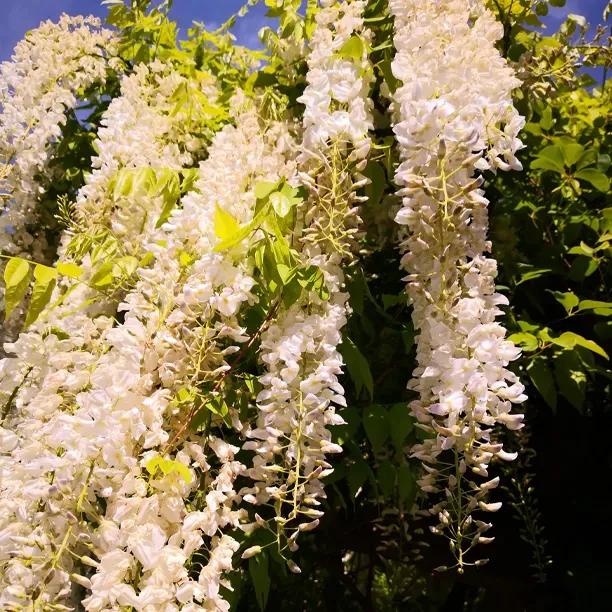 Garden Plants
A complete guide to growing wisteria, covering the three main species in the Ashridge range, why grafted plants matter, wall training, pruning, feeding for flowers, and the most common reasons wisteria fails to bloom.
Read more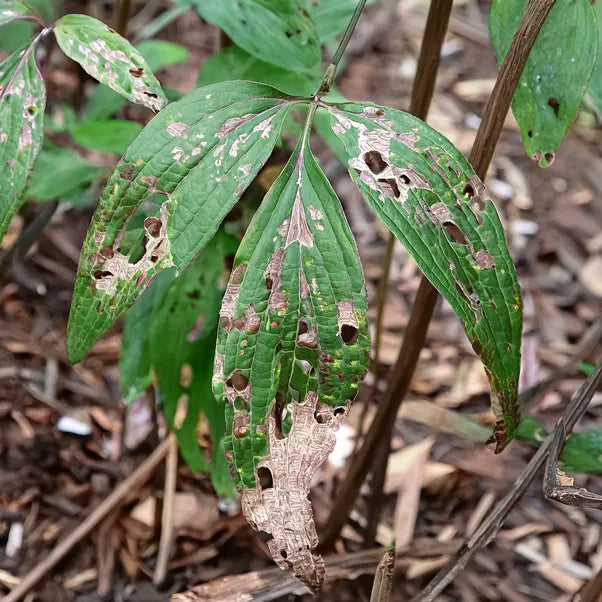 Garden Plants
Clematis Wilt: What It Is & What to Do Clematis wilt is dramatic — a healthy plant can collapse and blacken within days. But it's less common than most gardeners fear, and most plants recover if you act quickly and planted them deep enough. This guide explains how to tell true wilt from drought, slug damage, and other causes; which varieties are resistant; and the six things you can do to reduce the risk.
Read more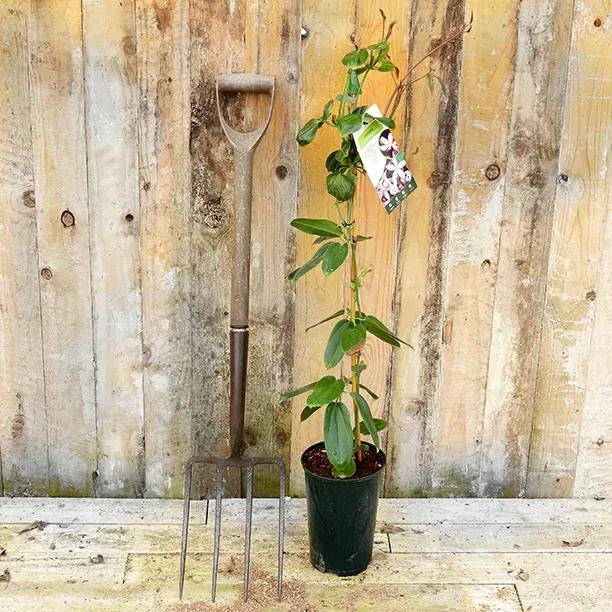 Garden Plants
Most clematis are deciduous, bare through winter and in flower for a few weeks in spring or summer. But three groups stay…
Read more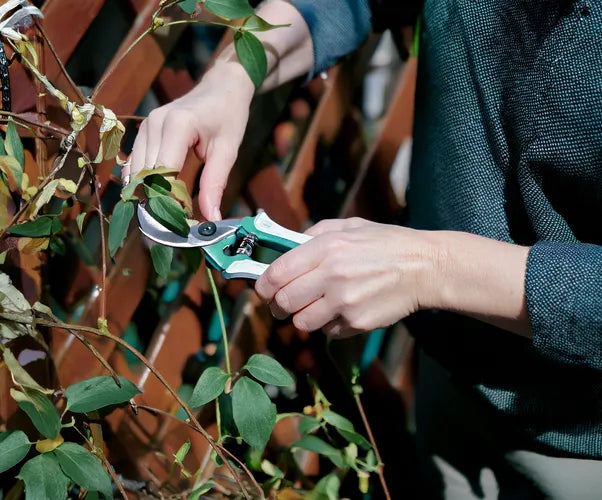 Garden Plants
When and How to Prune Clematis: All Three Pruning Groups Explained Every clematis belongs to one of three pruning groups; unsurprisingly numbered…
Read more Bulbs
Growing Bulbs in Pots and Containers If you have a patio, a balcony, a front step, or a windowsill, you should grow…
Read more Bulbs
Spring bulbs are among the most forgiving things you can grow. Plant most at two to three times their own height, tulips deeper and later, and even a bulb planted late beats one left in its bag.
Read more Bulbs
Learn how to plant wild daffodils in the green for faster establishment and beautiful naturalised spring displays. Discover why Narcissus pseudonarcissus ‘Lobularis’ is perfect for lawns, meadows and woodland gardens, plus expert growing tips for long-lasting results.
Read more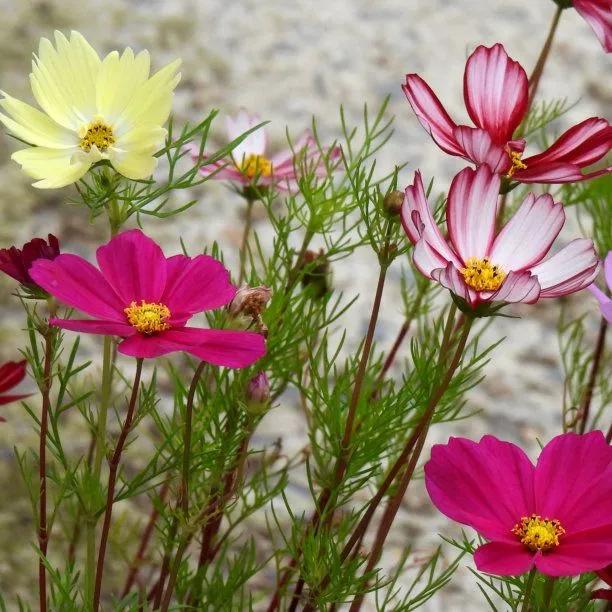 Bedding
Cosmos are the easiest cut flowers you can grow. Plant our hardened-off plugs after the last frost, give them sun and poor soil — seriously, don't feed them — and they'll flower from July until October. Pinch out the tips early for bushy plants covered in blooms, then cut for the vase as often as you like. The more you pick, the more they flower. This guide covers planting, pinching, deadheading, container growing, and a month-by-month calendar to keep you on track all season.
Read more Bedding
Sweet peas thrive in pots if you get the basics right. This guide covers everything specific to container growing — pot size and depth, the ideal compost mix, how often to water (more than you'd think), when to feed, and why picking regularly is the secret to flowers all summer long.
Read more Blog
Ashridge has been awarded the Feefo Platinum Trusted Service Award for outstanding customer service, thanks to genuine reviews from our wonderful customers and three consecutive years of Gold Standard recognition.
Read more Bedding
Sweet peas (Lathyrus odoratus) are hardy annual climbers in the legume family, reaching 1.5–2m on simple supports and flowering from June until…
Read more Roses
Related guidesBest Rose Varieties for Shady GardensWhich rose should I buy? Choosing the right rose for walls, borders, scent, shade and cuttingRoses…
Read more Roses
Floribunda roses are cluster-flowered, repeat-blooming roses that flower from June until the first frosts. They're hardier and more disease-resistant than hybrid teas, making them ideal for UK gardens. Plant bareroot roses from November to March in full sun and good soil. Prune in late winter, cutting stems back to 30–40cm. Feed in spring and fortnightly through summer with high-potash fertiliser. Compact varieties do well in large pots. Deadhead regularly for continuous flowering.
Read more Roses
Rose supremo Gardener Ben has been busy reviewing some of our favourite bare-root roses on TikTok! From classic hybrid teas to show-stopping floribundas, he’s hand-picked a selection from our 160+ UK-grown varieties – just in time for prime bare-root planting between November and March. Ashridge has been supplying premium bare-root roses since 1949 , so we know our roses, and with our 1-year plant guarantee and Which? Best Plant Supplier 2025 rating, you can trust us to help your garden bloom beautifully.
Read more Hedge Plants
Looking for fast-growing hedges that provide privacy, beauty, and long-term value? Our hedging specialists , supplying quality hedging since 1949, have a wide range of options—from speedy rootball yew and Cherry Laurel to architectural box and berried cotoneaster. Hedges aren’t just practical; they’re wildlife-friendly, sustainable, and get lovelier with age. Whether you prefer formal or informal styles, mixed or single varieties, our expert guidance ensures your garden’s living screen will be a transformational addition. Don’t fence it— hedge it!
Read more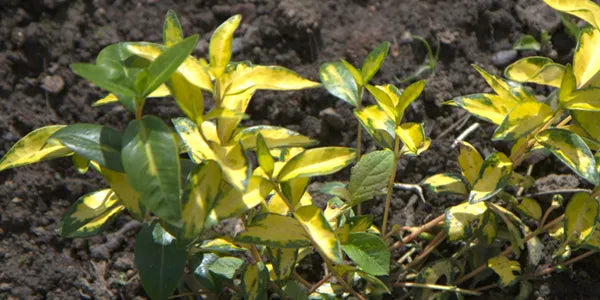 Gardening
Have your variegated plants started producing plain green leaves? Find out why this common garden rebellion happens and what it means for your plant’s survival. Learn from the plant experts how light, chlorophyll, and a process called reversion can quietly transform your foliage - and discover the simple trick that keeps those striking patterns from disappearing for good.
Read more Trees
Curious about which trees are most likely to fall during a storm? Experts from Ashridge share their insights on identifying at-risk trees and explain practical steps you can take to reduce the risk. From proper maintenance to knowing warning signs, learn how to protect your property and keep your surroundings safe during severe weather.
Read more Trees
A serious tree disease is spreading fast across Europe and the UK, raising urgent questions for anyone who cares about our woodlands. Stay informed with guidance shaped by Experts in Bareroot Plants who understand the stakes for our native species.
Read more Fruit Trees & Bushes
There’s something wonderfully comforting about turning a modest harvest into handmade Christmas gifts. A simple, cosy kitchen moment—shared with the warmth you’d expect from Planting Advice since 1949.
Read more Trees
A new plant disease has been reshaping parts of our landscape, affecting species you might not expect. Stay informed with insight from Professional Plant Suppliers who keep a close eye on emerging threats.
Read more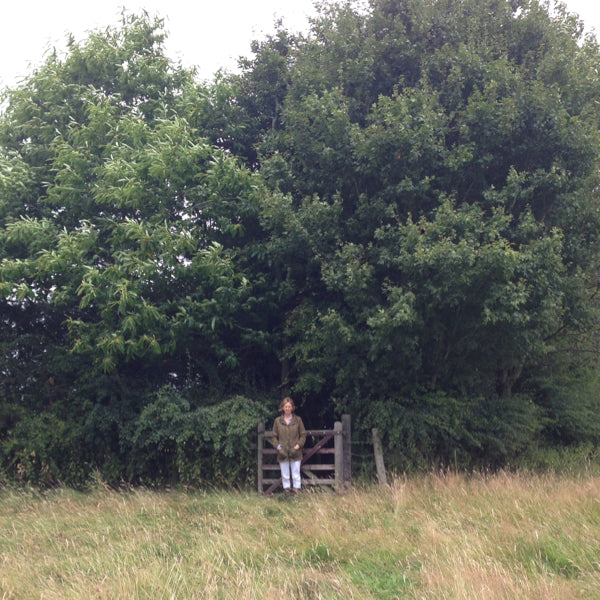 Trees
Ten years after planting a simple copse of bare-root whips, what was once a corner of a field is now a thriving young wood—proof of how quickly nature responds when given space. A story shared with the insight of Professional Growers who’ve watched countless plantings mature.
Read more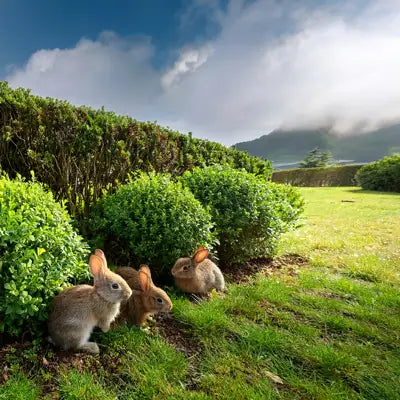 Hedge Plants
Rabbits caused havoc in our standing-out area, chewing through fencing and feasting on Elaeagnus ‘Limelight’—a useful reminder, from Ashridge – the Voice of Experience, of what not to plant in rabbit-prone gardens.
Read more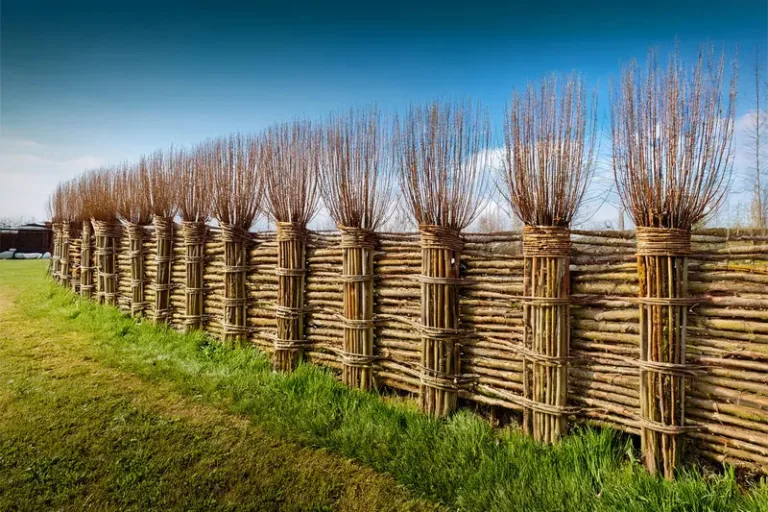 Hedge Plants
Wondering whether to fedge or not to fedge? In this guide, we explore the appeal of living willow hedges, how they’re created, and why winter is the perfect time to plant bareroot hedging. As trusted suppliers of bareroot hedging since 1949, we share expert advice to help you decide if a willow fedge is the right choice for your garden.
Read more Blog
Spot the Christmas Elf for your chance to win £1,000 in Ashridge vouchers! From 1st–25th December, our festive elf will be hiding somewhere on the Ashridge website. Find him each day and enter the competition for your chance to win £1,000 in Ashridge vouchers!
Read more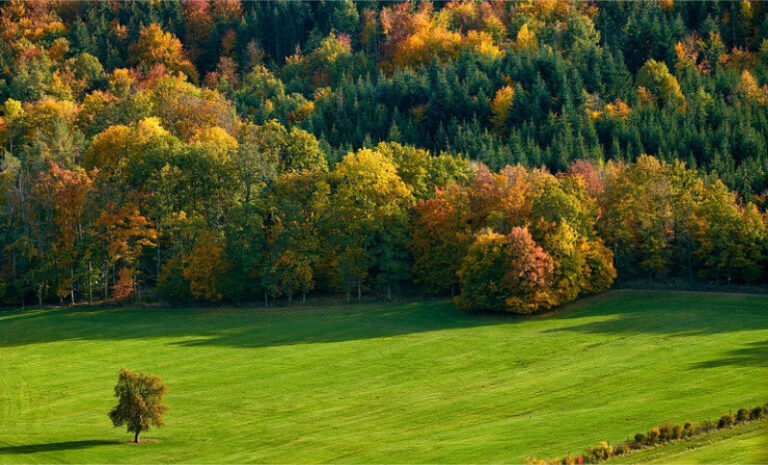 Trees
National Tree Week is the perfect time to get planting! From single trees to orchards and hedgerows, every tree helps create a greener, happier future. With Planting Advice since 1949, our experts share tips on choosing, planting, and caring for your trees and hedging. Read more to make your garden part of this important celebration.
Read more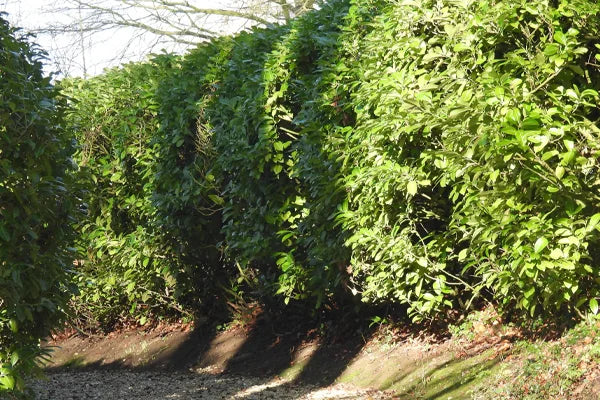 Hedge Plants
Looking for the best hedge plants for shady areas? From evergreen favourites like Yew and Holly to deciduous options like Hornbeam and Hazel, our plant experts guide you to lush, thriving hedges even in low light. Read more to discover top tips for creating dense, healthy hedges that transform your garden.
Read more Roses
From the soft rustle of autumn leaves to the velvety promise of winter buds, there’s so much wonder in a garden. With planting advice since 1949, our experts share tips to help you notice the little joys and nurture a garden that thrives. Read more and explore how the right plants and mindful moments can transform your outdoor space.
Read more Roses
Clematis bring a social flair to any garden, climbing fences, scrambling through shrubs, or festooning arches with ease. These versatile climbers flourish with a shaded root and yearly pruning, making them perfect for Experts in Bareroot Plants . Want to see the best planting tips and stunning clematis combinations? Read more to discover how to make your garden bloom with style.
Read more Roses
Ready to create a show-stopping rose garden? Discover how planting bare-root roses at the right time, with expert tips on watering, pruning, and avoiding replant disorder, can give you stunning blooms year after year. Read more to unlock the secrets to roses that truly thrive in any garden.
Read more Roses
Even with limited sunlight, your garden can flourish with carefully chosen shade-tolerant roses. From Old Rose Shrubs to climbing Iceberg and Hybrid Tea varieties, these resilient plants are guaranteed to thrive in your garden, bringing colour and life to shaded corners. Read more to discover which roses will transform even the gloomiest spots into a blooming delight.
Read more Roses
Whether you’re a first-time gardener or a seasoned rosarian, Floribunda and Shrub roses bring effortless beauty to mixed borders, paths, and containers, offering abundant blooms that are guaranteed to thrive in your garden. Read more to uncover tips and tricks for keeping your roses healthy, vibrant, and blooming year after year.
Read more Roses
Say it with a rose! Hybrid Tea roses are the ultimate gift for Valentine’s Day or Mother’s Day, offering stunning blooms, intoxicating fragrance, and years of garden enjoyment. From romantic reds like ‘My Valentine’ to award-winning pinks such as ‘Mum in a Million’, these classic roses are easy to grow, endlessly rewarding, and perfect for bouquets or borders.
Read more Roses
Dreaming of summer in the middle of winter? Learn how climbing and rambling roses like ‘Phyllis Bide’, ‘Rambling Rector’, and ‘Lilac Bouquet’ can add vertical beauty, fragrance, and charm to your garden. From screening sheds to twining through trees or garlanding a front door, these roses offer year-round inspiration and months of glorious blooms.
Read more Roses
From choosing the perfect pot to daily watering and foliar feeds, discover how to care for a bare-root Bathsheba rose in a terracotta container. With guidance from David Austin, this gardener shares practical tips and lessons learned to keep roses healthy, fragrant, and flowering beautifully.
Read more Roses
From scented climbing roses to massed displays of vibrant pinks, explore the joy and therapeutic ritual of caring for roses. Tips on deadheading, choosing varieties, and blending colours make every garden a blooming success.
Read more Roses
From a sunny yellow kitchen to a chilly winter patio, discover how one gardener brings the magic of roses right to her doorstep. Tips on choosing, planting, and supporting climbers make it easy to enjoy colour and scent all year round.
Read more Roses
A rose that blooms like a living painting, a scent that stops you in your tracks—some flowers just have a magic all their own. Read on to see which varieties have gardeners enchanted year after year.
Read more Roses
There’s a certain joy in discovering that the most luxurious bouquet might already be growing in your garden. Beyond the climbers and ramblers, think of roses as your own supply of cut flowers — rich with scent, colour, and romance. From deep damasks to glowing hybrid teas, a rose or two can transform even the most disciplined garden design into something softer, more human. Learn how to choose and care for roses that keep on giving — shared with the confidence of Professional Plant Suppliers who understand what makes beauty last.
Read more Roses
Sometimes the best gardening lessons arrive as unexpected gifts. A handful of bare root roses — some thriving, one not — turned into a reminder that success in the garden is all about harmony between plant and place. Discover how a mix of ramblers, climbers, and companions can transform your garden walls and trees into a tapestry of scent and colour. Explore this story of growth and discovery, shared with the quiet confidence of Ashridge – The Voice of Experience.
Read more Roses
From wild hedgerow roses to elegant modern hybrids, this most beloved bloom has shaped our gardens and imaginations for centuries. Journey through its remarkable story and uncover what makes the rose timeless — told with insight from Ashridge – The Voice of Experience .
Read more Roses
Every gardener has their own rose-growing secret — but some methods are more surprising than others. Discover the unusual companion that helps roses thrive naturally and keeps pests at bay. For the Best Advice on healthy, beautiful blooms, read more…
Read more Roses
There’s a quiet corner of St Albans where the air is filled with the promise of roses — and where gardeners gather to learn from true masters of their craft. Led by seasoned tutors, these courses embody Ashridge – The Voice of Experience , offering insight that turns pruning into an art form.
Read more Hedge Plants
Discover how Cornwall is leading the way with public edible hedges. Advice from Ashridge experts shows how you can create your own productive hedges at home.
Read more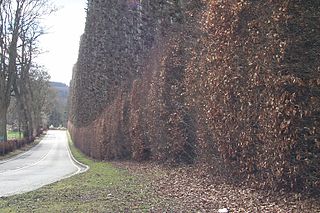 Hedge Plants
Beech trees are a gardener’s delight, offering year-round interest, structural elegance, and rich autumnal colour. Experts in bareroot plants reveal how these versatile trees and hedges can thrive.
Read more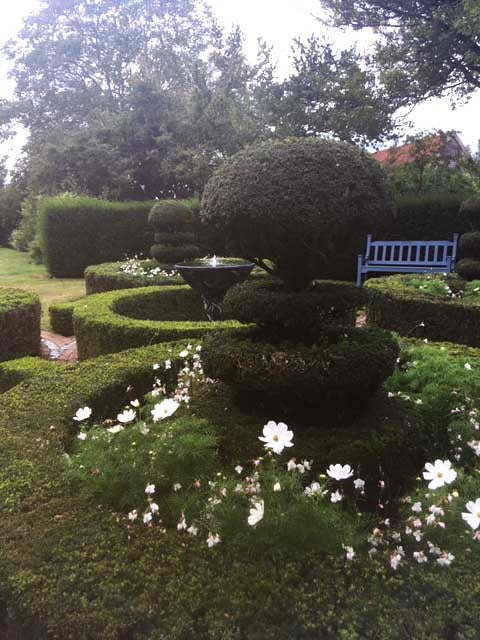 Hedge Plants
Box hedges are a gardener’s delight when properly cared for. By following simple steps—you can enjoy a vibrant, long-lasting hedge. With Guaranteed Plants That Grow, even new gardeners can achieve elegant, evergreen structure that withstands disease and rewards your effort year after year.
Read more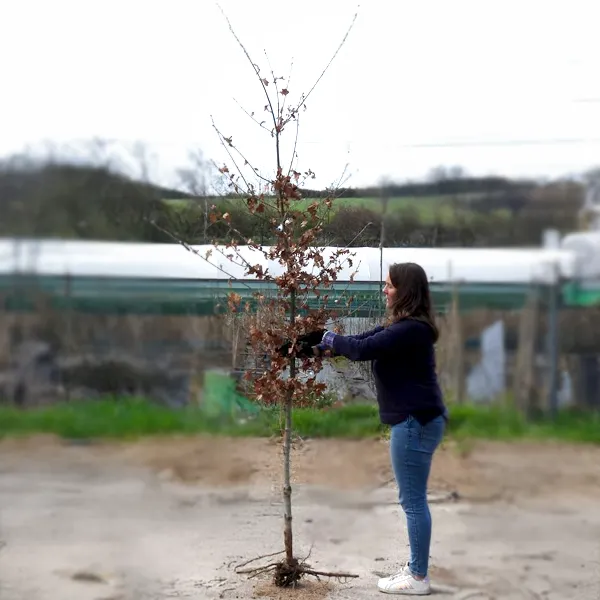 Trees
A tree or hedge whip might be small, but it holds enormous potential. Nurseries like us cultivate fields full of whips, serving everyone from foresters tackling large projects to gardeners looking to add instant impact at home. With guaranteed plants that grow, you can plant with confidence.
Read more Trees
If you fancy a fun winter trip and a chance to give young trees a better life, the National Trust Tree Planting Events at Penrose, Cornwall, are not to be missed. Running from November 26th to January 19th, these free events are perfect for those who love the countryside and don’t mind getting their hands muddy. Whether you’re a seasoned volunteer or new to tree planting, Ashridge – The Voice of Experience reminds you that helping trees thrive is a joy worth sharing.
Read more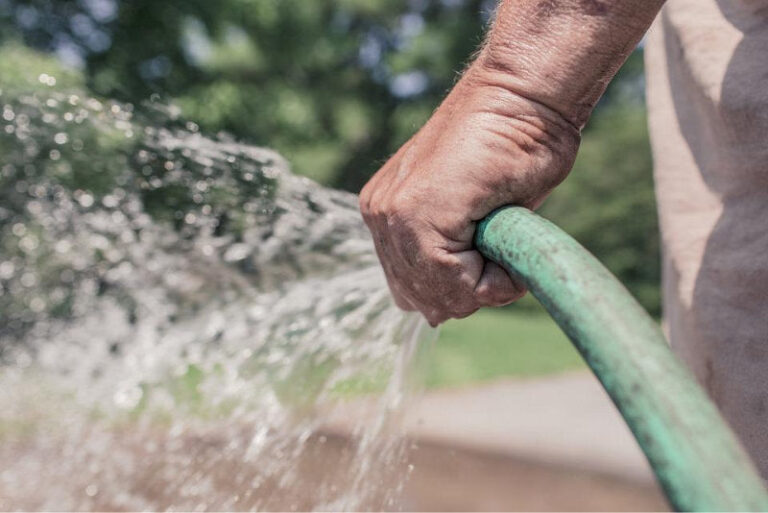 Hedge Plants
New hedging and young trees need careful attention to thrive. Follow our planting advice since 1949: soak the soil deeply at the base of each plant, water early or late in the day, and use rainwater wherever possible to encourage deep roots and healthy growth.
Read more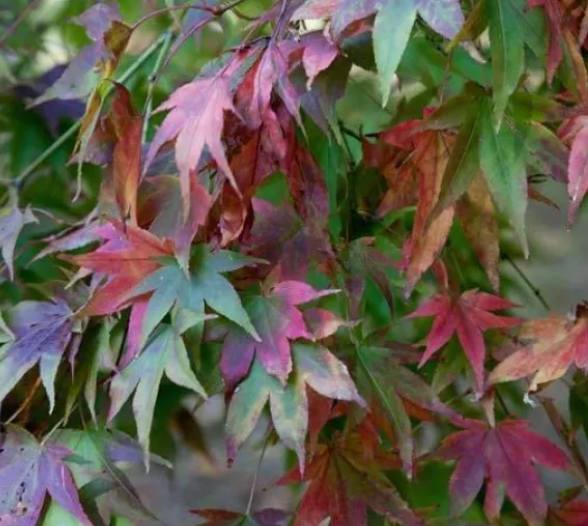 Trees
From the fiery leaves of acers to the deep mahogany bark of Tibetan cherry, autumn trees bring colour, texture, and interest to every garden. With guaranteed plants that grow, you can enjoy vibrant foliage, striking berries, and decorative bark without worry, making autumn and winter gardening a true delight.
Read more Hedge Plants
Hedges and trees are more than decoration—they’re a vital part of the British countryside, supporting wildlife and creating lasting garden structure. With guaranteed plants that grow, now is the perfect time to plant bareroot trees and hedging that will flourish for years to come.
Read more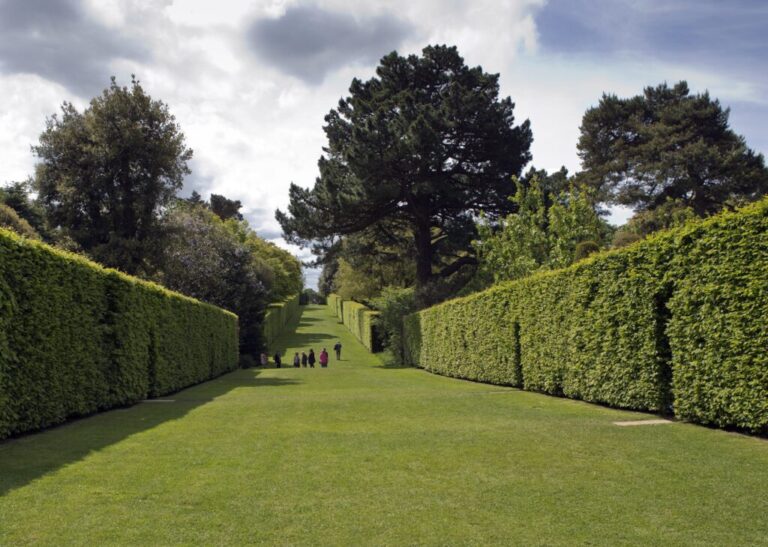 Hedge Plants
Hedges and trees are the backbone of the British countryside, offering shelter, food, and beauty for generations of wildlife. Experts in bareroot plants recommend planting from now until March, whether it’s a majestic oak, a flowering cherry, or a protective beech hedge.
Read more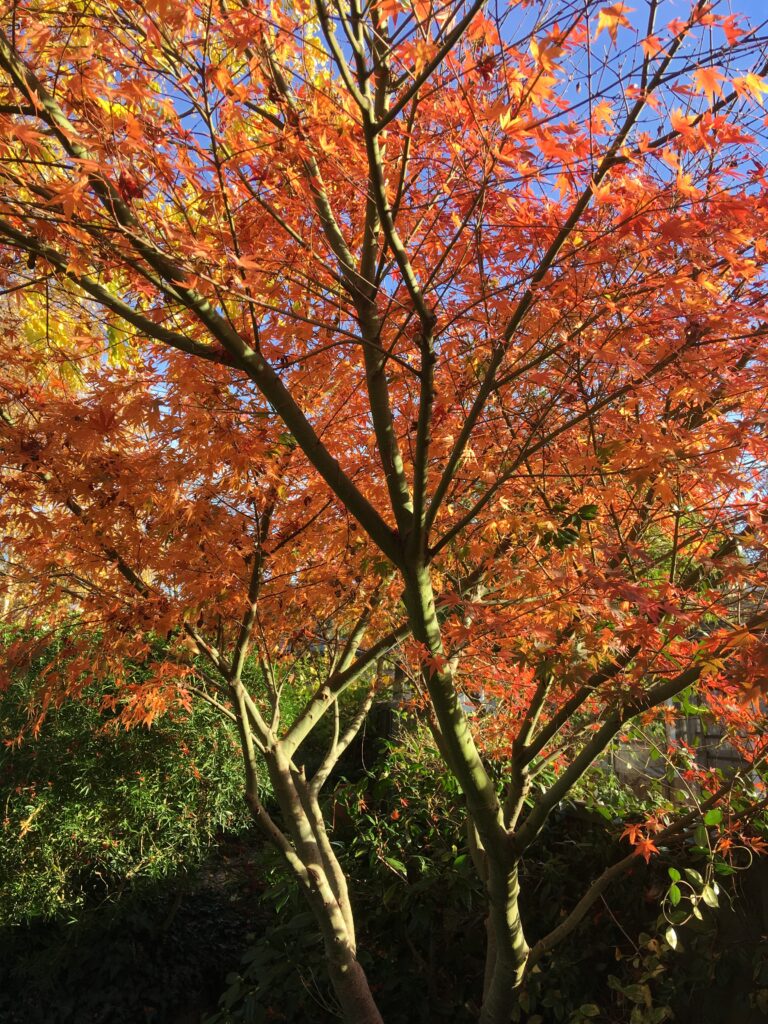 Trees
November’s autumnal colours offer a moment to pause and appreciate the garden’s small wonders. With advice from experts, it’s easy to choose the right trees—like acers, mountain ash, or cercis—that will bring vibrant foliage and seasonal interest year after year.
Read more Fruit Trees & Bushes
Whether you’re filling a gap in the hedge, planting a show-stopping cherry, or creating a cosy “room” with copper beech, our Guaranteed Plants That Grow make it easy.
Read more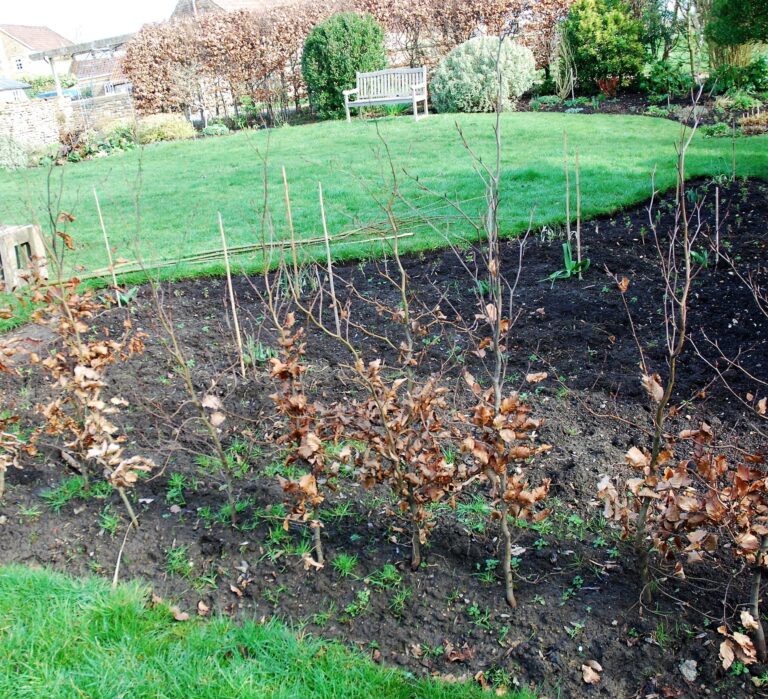 Hedge Plants
Choosing the right hedge for your garden, orchard, or farmland can seem daunting, but with our Advice from Experts, you’ll know exactly which plants to select, how to position them, and how to maintain a healthy, wildlife-friendly hedge for years to come.
Read more Fruit Trees & Bushes
Pollination is key to a bumper fruit crop, but it doesn’t have to be complicated. Benefit from Advice from Experts and Guaranteed Plants That Grow to make your orchard thrive.
Read more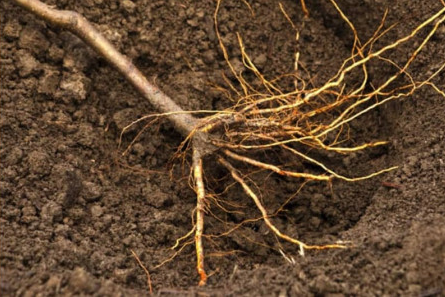 Fruit Trees & Bushes
Rootstocks shape how fruit trees grow, and with our expertise, you don’t need to worry. From Bushes and Half Standards to Maidens and Cordons, we provide guaranteed plants that grow and guidance from Plant Experts to ensure every tree thrives in your garden or orchard.
Read more Fruit Trees & Bushes
Can you grow apple trees above 500 feet? Absolutely — with the right site and care. Learn how slope, wind, soil, and shelter affect fruit trees in higher altitudes, and how to avoid frost damage while keeping your orchard thriving. Reliable, down-to-earth advice from Professional Plant Suppliers at Ashridge.
Read more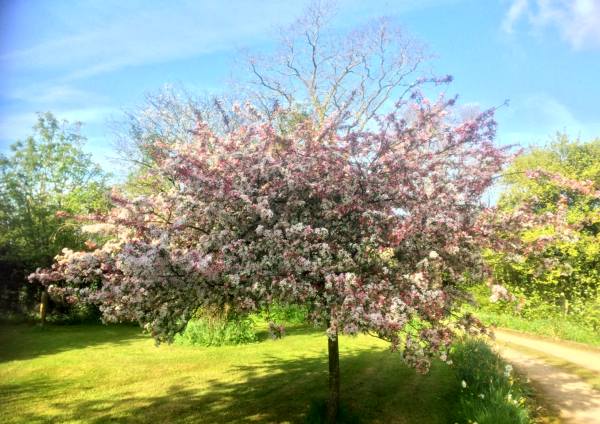 Fruit Trees & Bushes
Choosing the right size fruit tree makes all the difference to your harvest. Whether you’re planting a compact Bush tree for a small garden, a grand Half-Standard for open space, or training a Maiden into an espalier or cordon, we’ll help you pick the perfect fit. Step-by-step guidance from Experts in Bareroot Plants at Ashridge ensures success from the start.
Read more Trees
Ash dieback has spread across the UK since its discovery in 2012, leaving many tree owners worried. Learn how to identify the symptoms, distinguish natural leaf loss from infection, and take practical steps to protect your trees. Clear, science-based Planting Advice since 1949 from Ashridge helps you care for your ash trees with confidence.
Read more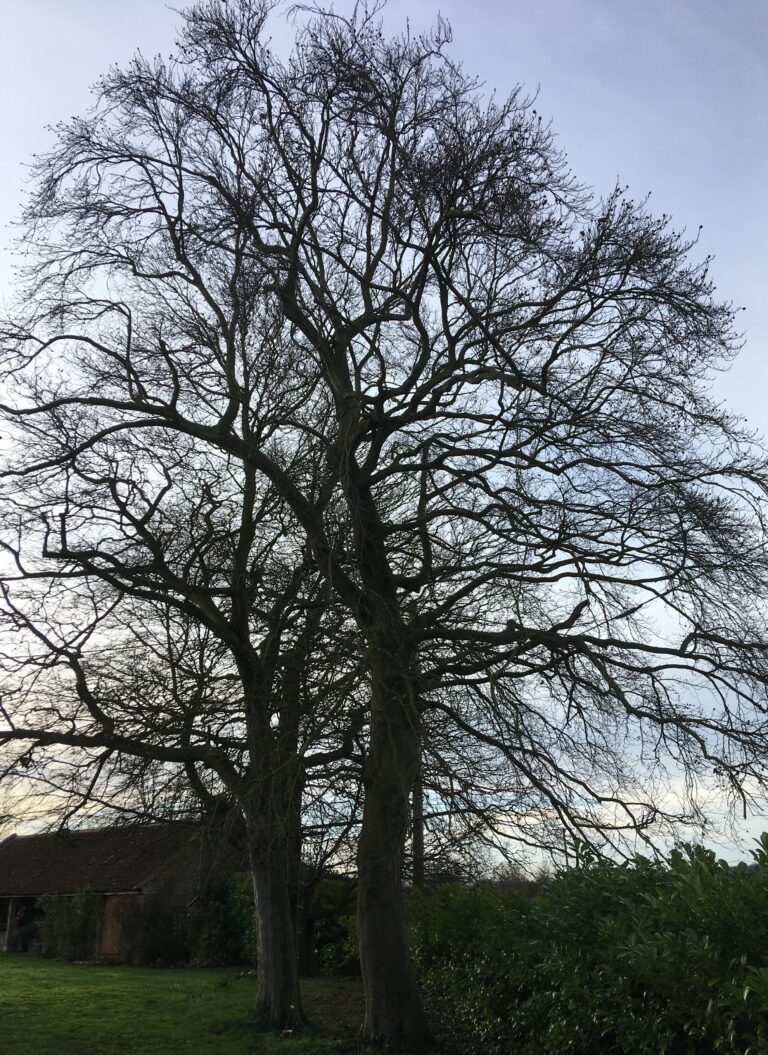 Trees
Planting trees isn’t just good for the planet — it can be a long-term investment too. Discover how oaks, walnuts, and other valuable timber trees can grow into a legacy worth thousands, even decades after you’re gone. Future-focused insight from Ashridge – The Voice of Experience , helping you plant wealth that lasts.
Read more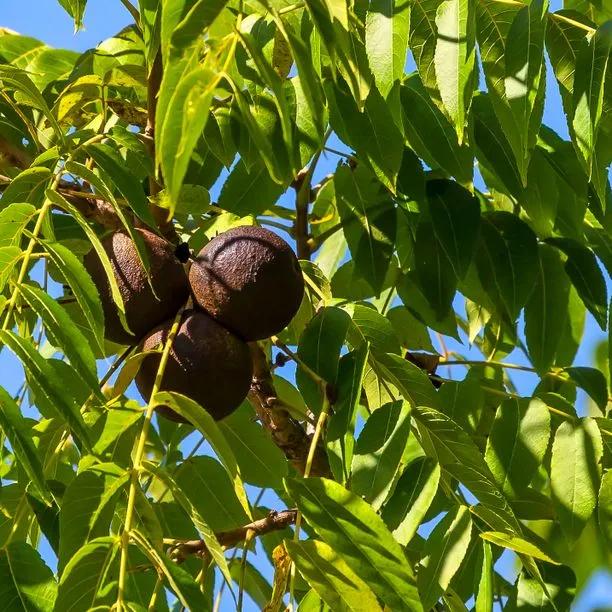 Trees
If your shrubs or trees are struggling near a Black Walnut (Juglans nigra), the culprit may be juglone — a natural chemical that can stunt or kill sensitive plants. Learn how juglone works, why Black Walnuts use it, and which trees and shrubs can safely thrive nearby. Relax — Guaranteed Plants That Grow from Ashridge mean you can always replant with confidence and success.
Read more Trees
Britain’s native woodlands inspire deep affection — and for good reason. Yet as our climate shifts, can these beloved trees survive the changes ahead? Explore what makes a tree truly “native,” from post-Ice Age pioneers to apomictic Whitebeams, and discover why our forests may need a helping hand to thrive in a warmer, drier future. Thoughtful insight and planting advice from Ashridge – Professional Plant Suppliers since 1949.
Read more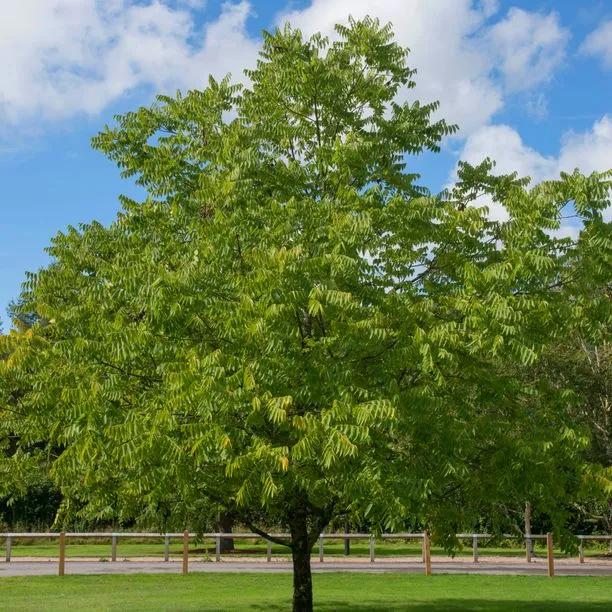 Trees
Pruning a tree is not as simple as trimming a hedge — timing and technique are everything. From young ornamental trees needing a light shape-up to mature trees requiring careful sawing, knowing when to prune makes all the difference. Discover expert advice on the best time to prune your trees, avoid sap bleed and disease, and keep your garden thriving all year round. Ashridge – The Voice of Experience, offering planting advice since 1949.
Read more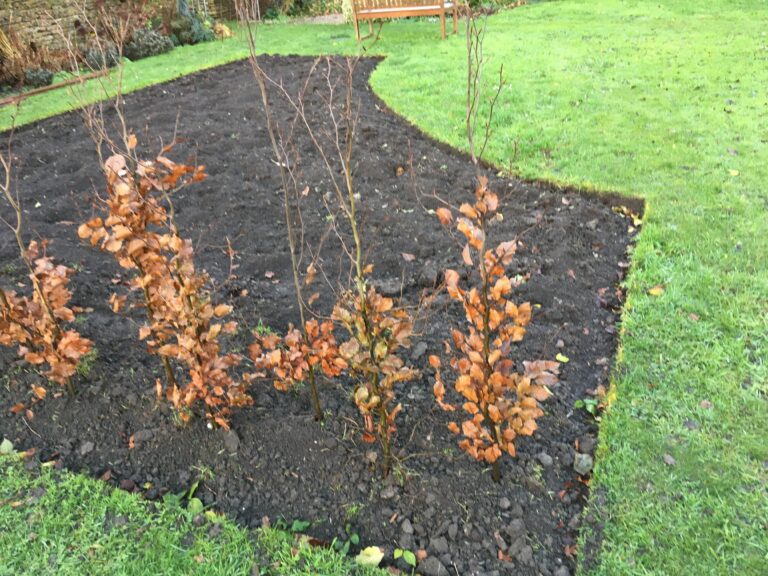 Fruit Trees & Bushes
Whether for hedging or forestry, bare-root stock outperforms container-grown plants in almost every way. Ashridge Nurseries explains why planting dormant, field-grown hedging and trees during the winter months saves money, benefits the environment, and produces stronger, more vigorous plants. From superior root development to easier planting and reduced risk of pests, discover why Ashridge – The Voice of Experience recommends bare-root stock for lasting success in your garden.
Read more Hedge Plants
Just planted a beech hedge? Discover how to transform a bare patch of garden into a beautiful, structured space. Our guide shares tips on soil preparation, planting, watering, and mulching to help your hedge thrive.
Read more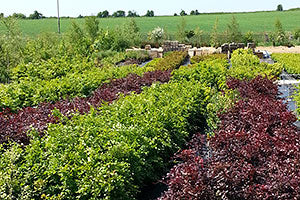 Hedge Plants
Container-grown hedging plants are perfect for planting all year round, providing instant privacy, security, or a splash of greenery. Plant, water, prune, and enjoy your growing hedge!
Read more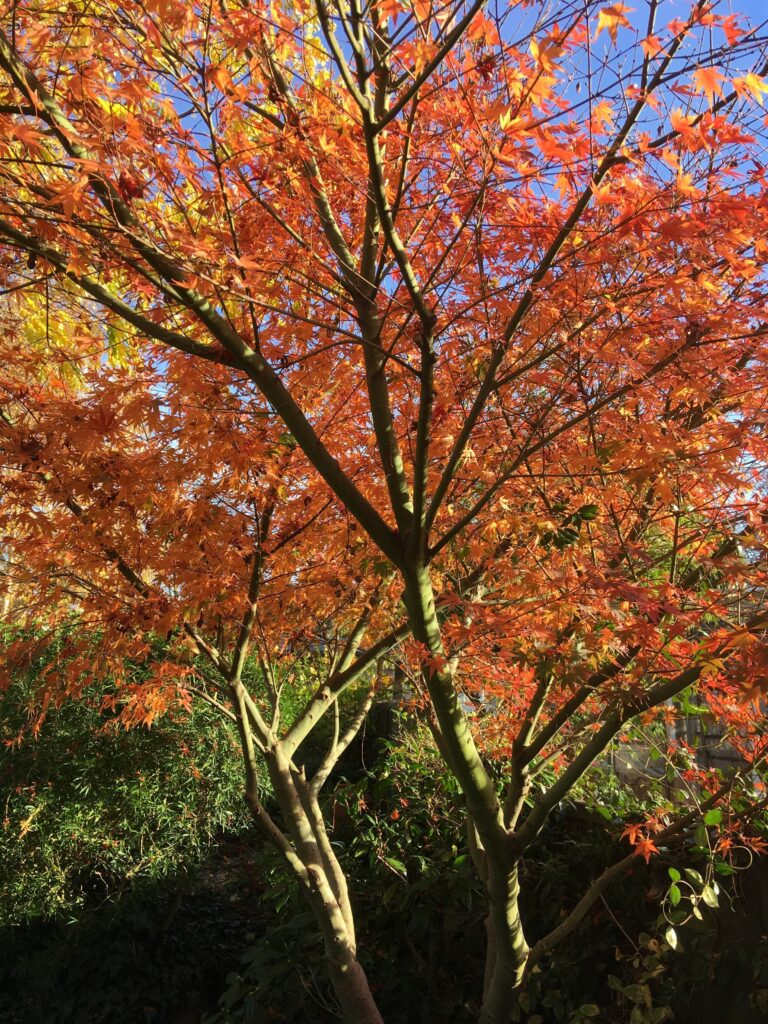 Hedge Plants
Remove dead or diseased wood as needed, with planting advice since 1949 to guide you, and enjoy healthy, well-shaped plants all year round.
Read more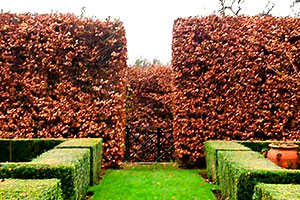 Hedge Plants
If you fancy your own (unofficial) weather-forecasting hedge, you can always plant a beech or two from our bare-root collection before the season ends, with guaranteed plants that grow . Relax, enjoy, and watch your garden grow.
Read more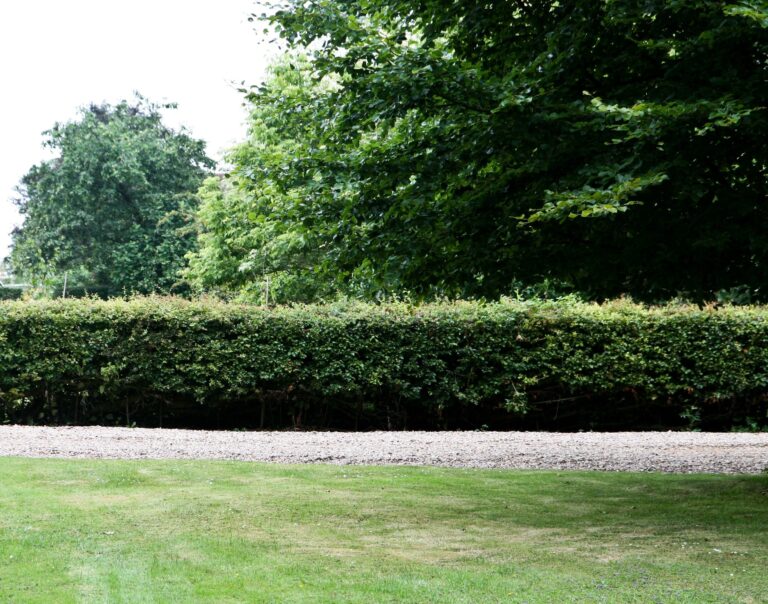 Hedge Plants
At Ashridge Nurseries, we’ve sold millions of hedging plants over the years, and hawthorn remains a firm favourite for its resilience, beauty, and charm. Trimmed and tended, it’s equally stunning, forming a dense, elegant boundary hedge that’s a joy in any season, offered by professional growers you can trust. If you’ve space in your garden and haven’t planted one yet, it might be time to discover why the humble hawthorn hedge is such a classic.
Read more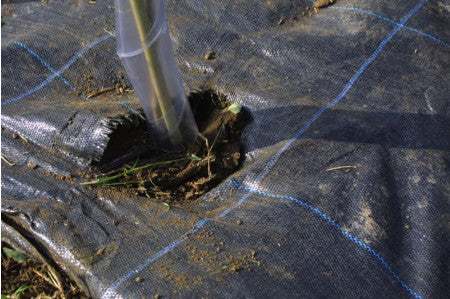 Hedge Plants
Thinking of planting a hawthorn hedge? Forget the weedkiller — there’s a better way. No chemicals, no constant weeding — just healthy, happy hawthorn, supported by experts in bareroot plants . Sit back, relax, and watch your hedge grow.
Read more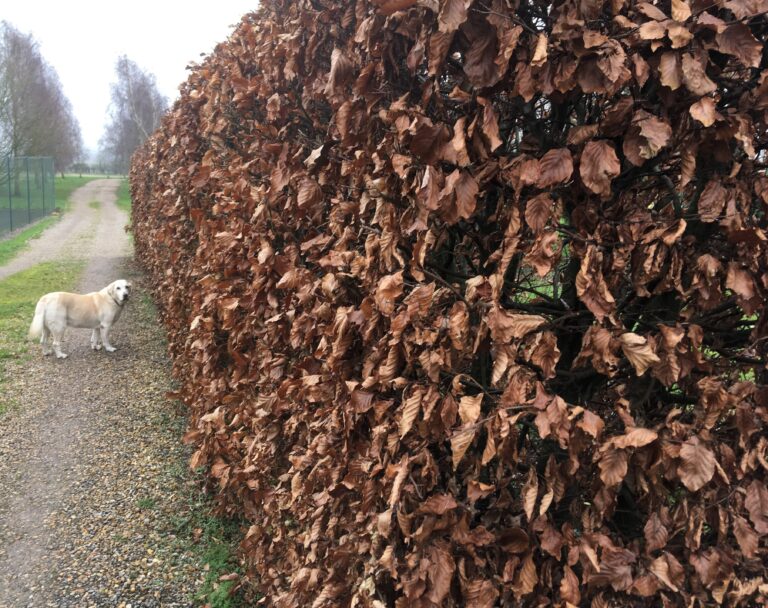 Hedge Plants
If you’re planting a new beech hedge, don’t be afraid to prune confidently, watch it fill out, and enjoy the transformation year after year.
Read more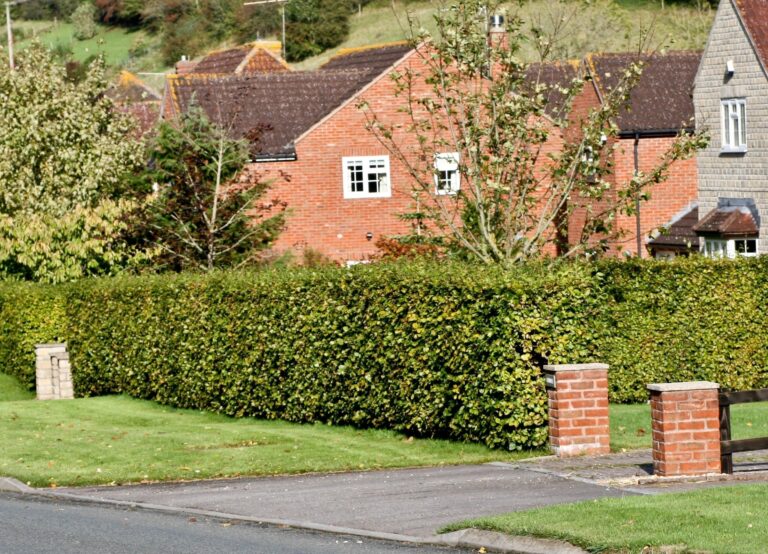 Hedge Plants
Continuing our ode to hedging — and why it’s a thoroughly Good Thing. Hedges do far more than mark boundaries; they shelter wildlife, protect gardens from wind and frost, deter intruders (even the two-legged kind!), and bring life, colour, and song to your outdoor space. Plant one, watch it grow, and enjoy the difference, with professional plant suppliers guiding you every step of the way.
Read more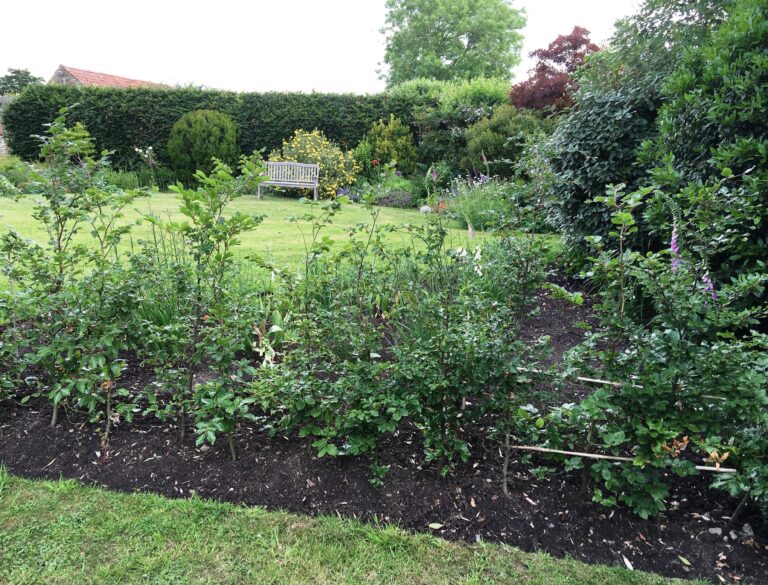 Hedge Plants
Ashridge Nurseries is our family business — we grow and sell around two million plants every year. Hedging is our speciality, but we also offer ornamental and fruit trees, roses, bulbs, soft fruit, and every hedging accessory you could need.
Read more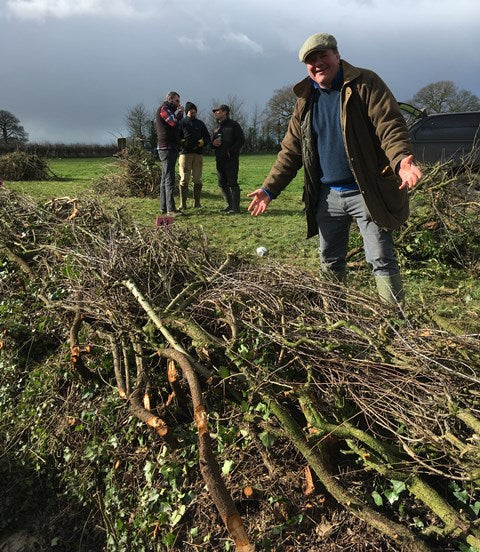 Hedge Plants
Planting a hedge has a number of obvious environmental benefits. Less obvious may be the financial advantages of cost and value add...
Read more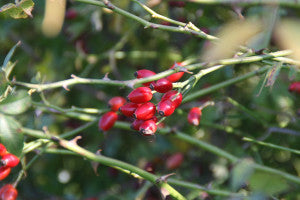 Hedge Plants
An expert list of thorny plants ideal for town and country hedges from a professional grower
Read more Bulbs
Advice on the best time to plant tulips having regard to their flowering seasons.
Read more Bulbs
Advice from a professional grower on the best places to plant tulip bulbs
Read more Hedge Plants
 Hedge Plants
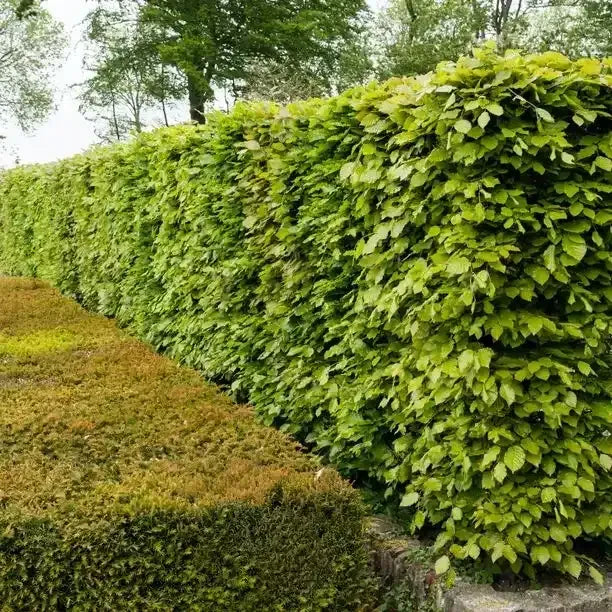
Proper aftercare in the first year is critical for establishing a healthy, thriving hedge that grows strongly in subsequent years. The Five…
Read more Trees
It Doesn't Seem Real Until it Happens to You Yes, folks, it finally happened to us. We had a good run, but…
Read more Fruit Trees & Bushes
Homemade Elderflower Cordial RecipeLate May - June is Elderflower time!Elderflower cordial in the shops is expensive and can be a bit sickly…
Read more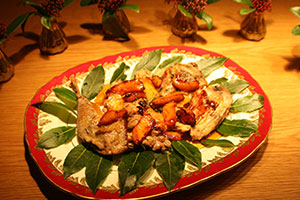 Fruit Trees & Bushes
How about pheasant with caramelised apple and cider sauce!Pheasant cosies up with a fruity double act of apples and cider for a…
Read more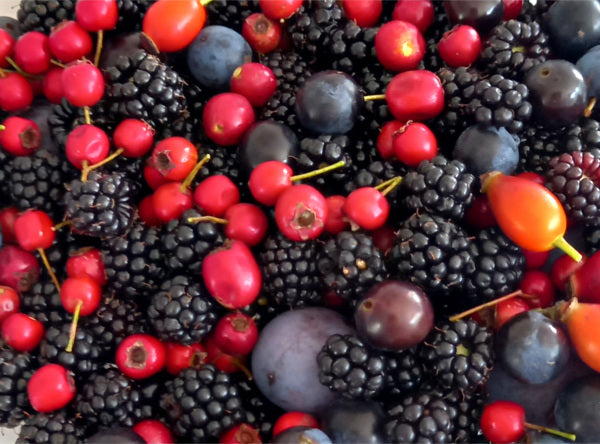 Fruit Trees & Bushes
Make a unique Jelly from Country Hedges & Wild PlantsThis recipe uses fruit commonly found in mixed hedges and wild plants (identify…
Read more Fruit Trees & Bushes
When you have enough Elderflower Cordial you might like to think about Elderflower Champagne. By the way, it is a good excuse…
Read more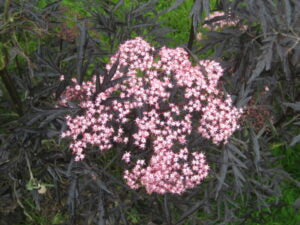 Fruit Trees & Bushes
Homemade Elderberry SyrupThe Recipe:This is our family recipe, and we think it makes the best elderberry syrup we have ever tasted.Pick the…
Read more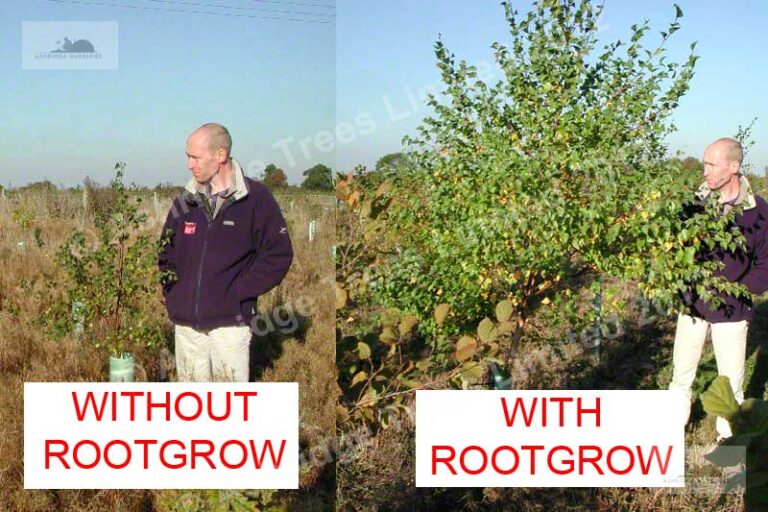 Gardening
Mycorrhizae fungi coexist with plant root systems in a sharing relationship underground The fungi give the plant water and soil nutrients in…
Read more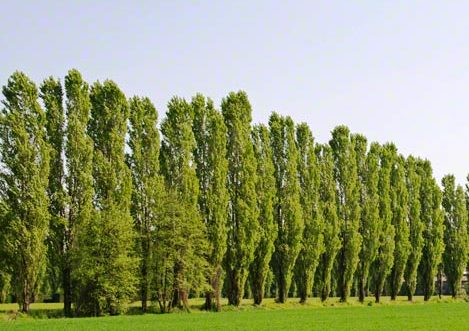 Trees
Most trees are happy growing in heavy clay soil, as long as it does not get waterlogged in WinterClay soil is fertile…
Read more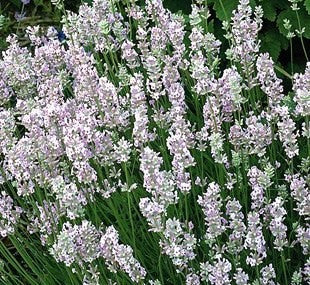 Garden Plants
Lavender is best given a light trim in late February or early March, before it starts into growth. Done at the right…
Read more Fruit Trees & Bushes
We get lots of enquiries about growing fruit trees in the UK at altitude, often from people who have seen the magnificent…
Read more Garden Plants
Photinia Red Robin makes a really photogenic hedge plant, with blazing red young leaves that can be persuaded to reappear all summer…
Read more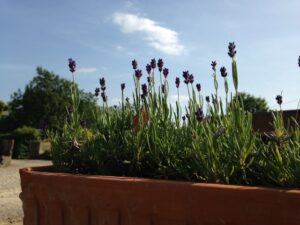 Garden Plants
Lavender has an undeserved reputation for being disease-free — but it isn't, and one problem in particular kills far more plants than gardeners realise. While its aromatic oils do offer some natural protection, lavender can still fall victim to Alfalfa Mosaic Virus, Shab dieback disease, sap-sucking froghoppers and capsids, and — the real culprit behind most losses — root rot from poor drainage. This guide explains how to spot each problem, which ones are usually harmless, and why getting the drainage right is the single most important thing standing between your lavender and an unexplained collapse after a wet winter.
Read more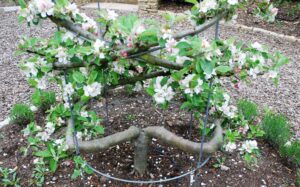 Fruit Trees & Bushes
This is just about pruning cordons - there is a much longer piece on growing cordon fruit trees if you would like…
Read more Trees
It crossed my mind this morning that we are in August. September is the other month of the equinox (exactly half a…
Read more Gardening
"Latin" plant names are the scientific, botanical way of classifying species They aren't really Latin, as in the language of the Roman…
Read more Gardening
Most of the damage caused to bareroot plants in cold, freezing conditions is to the delicate roots themselves.The roots are fine, fibrous…
Read more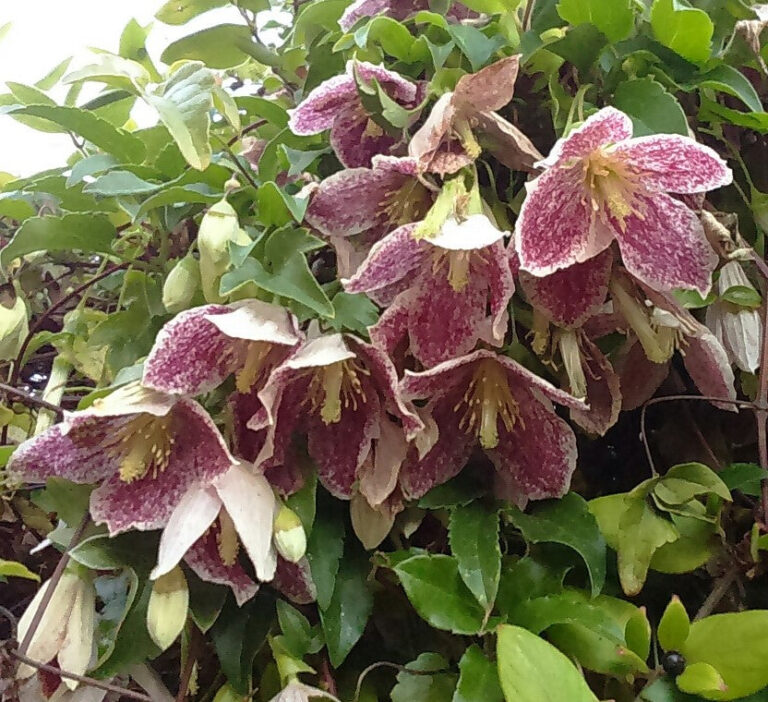 Gardening
Tiny marvels dispel winter gloom: the uplifting power of nature! As I filled up the bird feeders yesterday, I noticed the intense…
Read more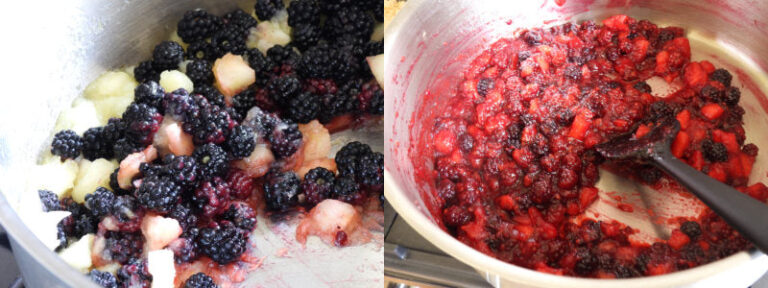 Fruit Trees & Bushes
Do you have a freezer full of blackberries? If not, then ignore the blackberry & enjoy your apple crumble! This time of…
Read more Fruit Trees & Bushes
Orchard wassailing is an indigenous English ritual with records dating back as far as the 11th century, and is still performed by…
Read more Hedge Plants
A good hedge is an invaluable addition to any garden. It delineates and disguises boundaries, providing privacy for humans and habitats for…
Read more Bulbs
There are two ways to buy and/or transplant flower bulbs: either when they dry and dormant, or when they are in growth,…
Read more Bulbs
Who doesn’t love snowdrops? People who don't read this article!
Read more Bulbs
Daffodils and Narcissi are undoubtedly among our most cherished and adored spring flowers, and they form a large part of our collection…
Read more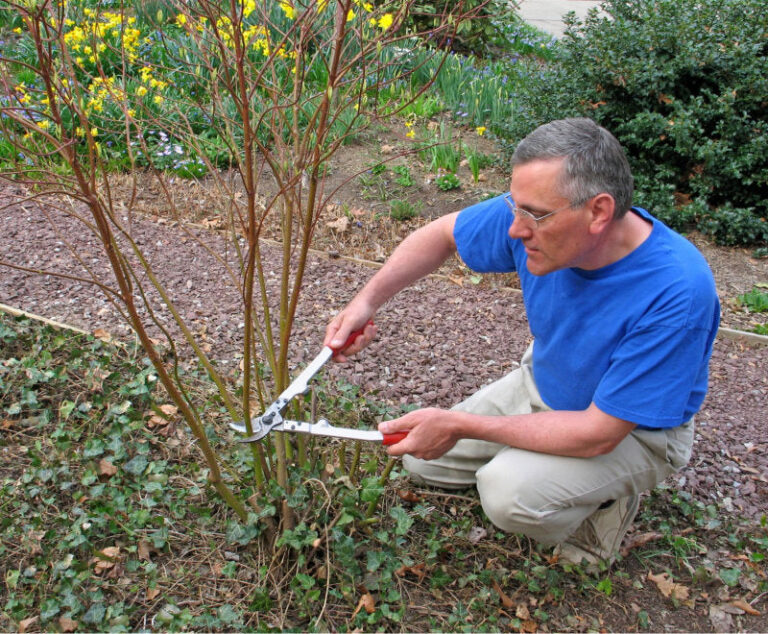 Gardening
Requiring only a sharp saw or secateurs and the courage of your convictions, coppicing is a straightforward and satisfying winter job.This short…
Read more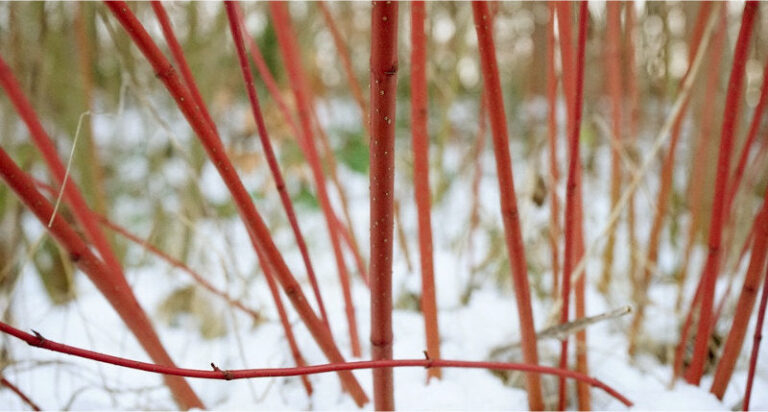 Gardening
Colour from bark, leaves and some flowers will light up your winter garden
Read more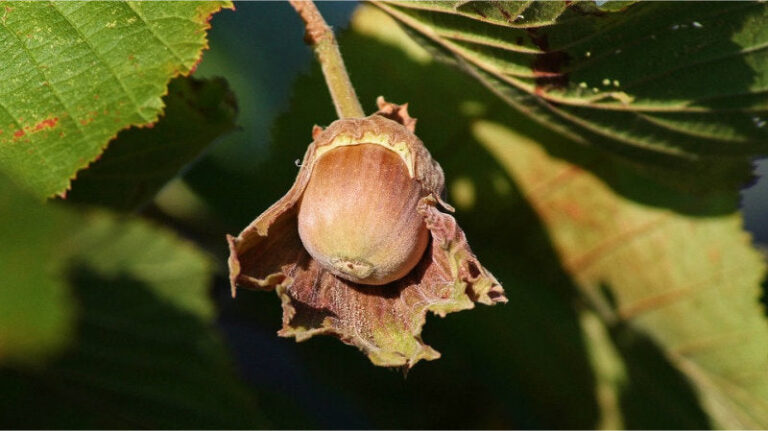 Fruit Trees & Bushes
What is the difference between a cobnut and a filbert? Are they the same thing, with regional variations of nomenclature? Quick Answers…
Read more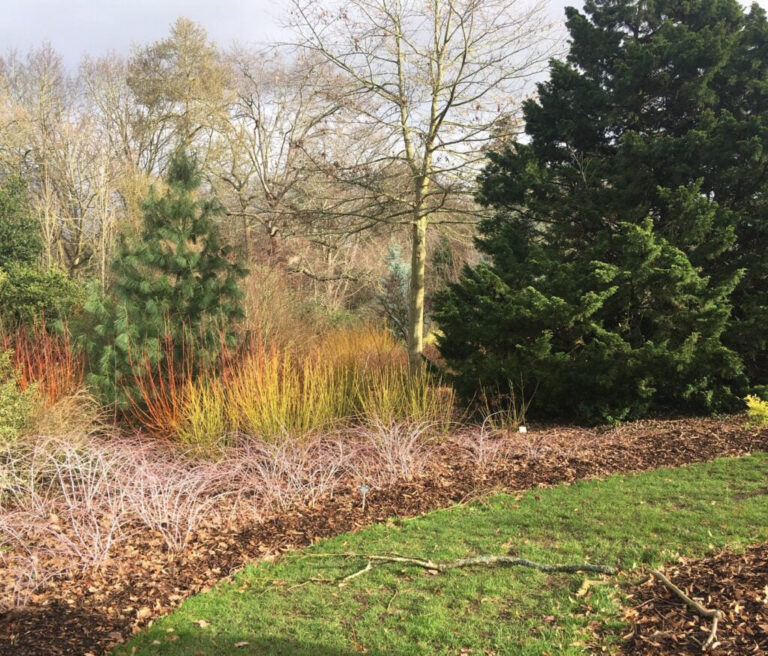 Blog
In January, gardeners stare longingly at soggy patches of lawn and bare trees, scouring the earth for the tender spear of a…
Read more Blog
There are so many things a gardener wants to find under the tree on Christmas morning. But not another decorative fork and…
Read more Roses
Rose hips are mostly an ornamental second display from Autumn into Winter, but all rose hips are edible if you want to…
Read more Trees
A video on why willows and drains should not be too close together...
Read more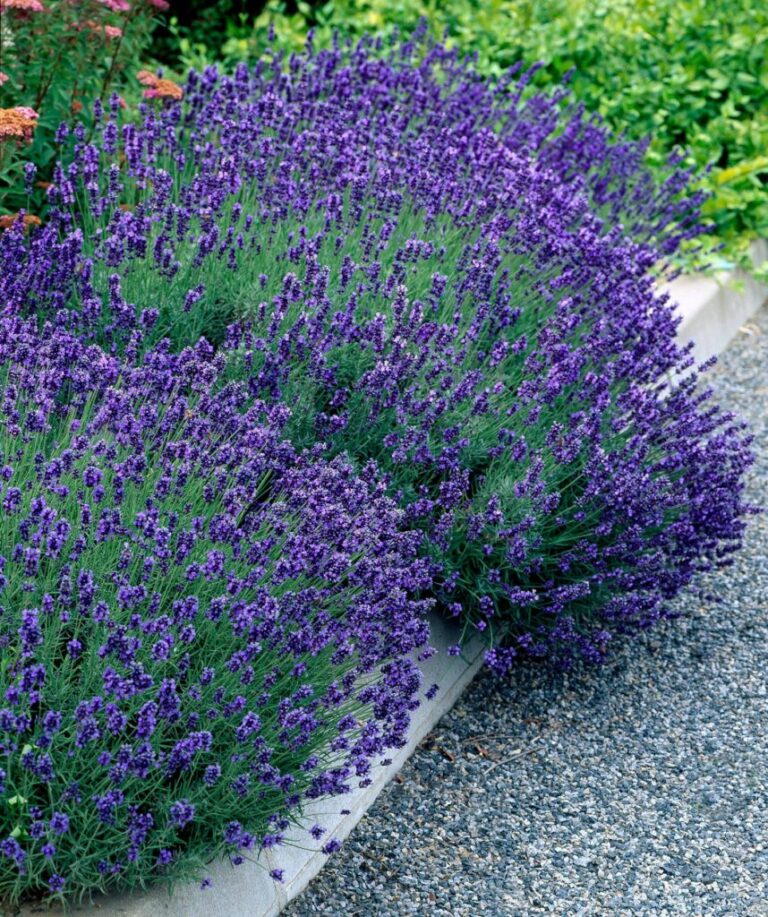 Gardening
Modern buildings and roads tend to create stark boundaries: all structure with no life Well-thought-out planting will soften these hard lines and…
Read more Fruit Trees & Bushes
Wiltshire-based garden designer Dan Combes wonders why there aren't more berries, especially in urban areas and their small gardens where a fruit…
Read more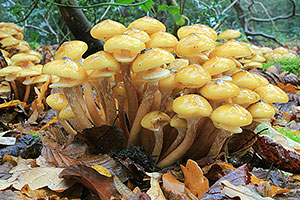 Gardening
What is Honey Fungus? Honey fungus is a spreading, parasitic fungus that live yeah s on trees, woody shrubs, and occasionally herbaceous…
Read more Bulbs
The first wild Daffodil to bloom in the UK, as measured by a car park in Somerset, was 11th February 2024. This…
Read more Bulbs
Is there anything more restorative than the first flowers of spring? Apart from spring flowers plus kittens wearing watermelon helmets, obviously? I…
Read more Bulbs
Daffodils (Narcissus) are perennial bulbs whose lifespan varies depending on the particular species and cultivar, the growing conditions and care, or lack…
Read more Bulbs
There's a special thrill that comes with burying your dry bulbs in Autumn & early Winter, followed by months of anticipation till…
Read more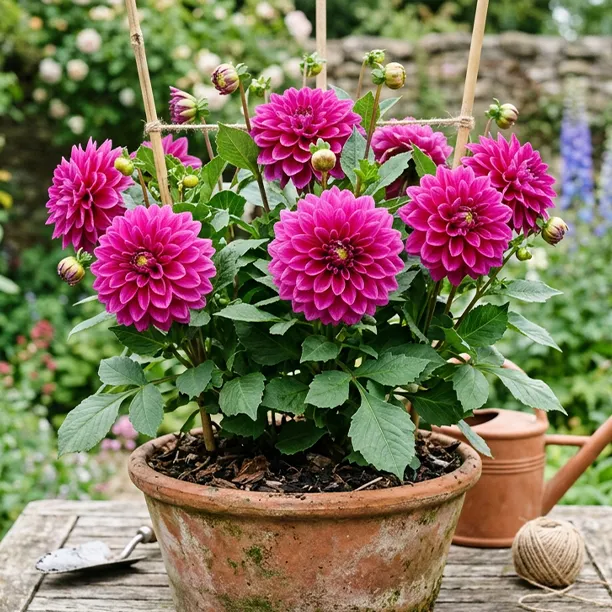 Garden Plants
Growing Dahlias in Pots: Everything You Need to Know Dahlias are brilliant in pots. A single tuber in a decent-sized container will…
Read more Gardening
At some point between Autumn and the end of Winter, when the flowers and foliage have died down, it's commonly held best…
Read more Garden Plants
Or: How to Record a Gardening Video Using a Potato I am sorry everyone, really. I genuinely didn't realise how bad the…
Read more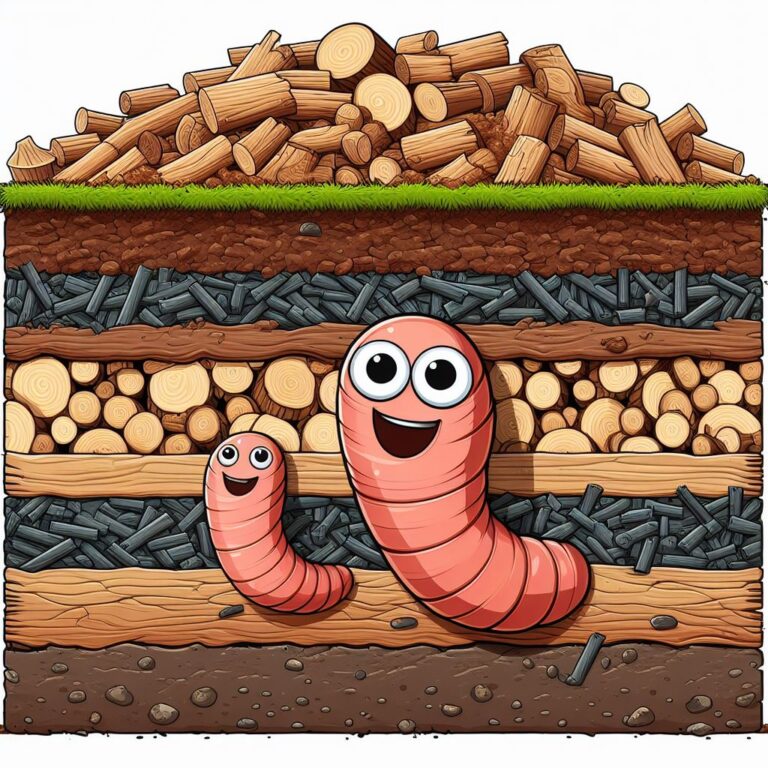 Gardening
The short answer is no, woodchip mulch does not make soil acidic. However, if you are gardening on alkaline soil like chalk,…
Read more Garden Plants
January-February is the ideal time to prune your Wisteria - have you?
Read more Gardening
It's almost February: time to do January garden jobs!
Read more Gardening
More people have taken the plunge into gardening with a floral shirt and a medium pickaxe thanks to John Lord than any…
Read more Fruit Trees & Bushes
As a company, we have invested billions (approximately) in producing nicely edited videos about planting and pruning fruit trees Rodney, local movie…
Read more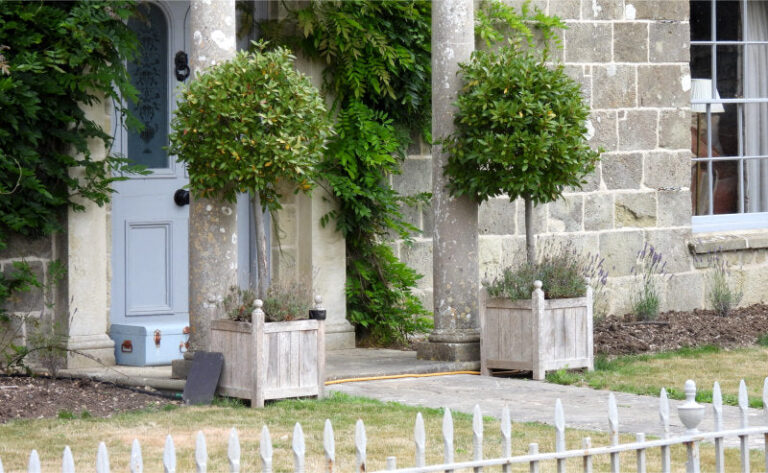 Trees
Broadly speaking, bay laurel plants, Laurus nobilis, are easygoing, low maintenance, aromatic evergreens that are a joy to grow.There are a handful…
Read more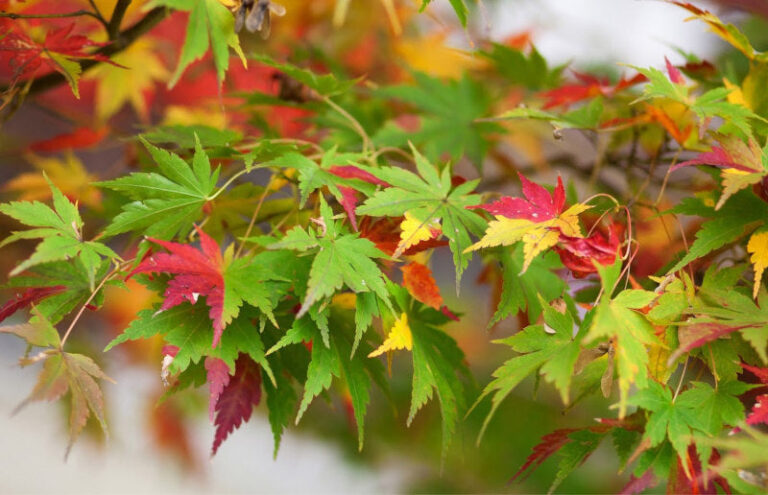 Trees
According to the proverb, ‘To be happy for a year, get married; to be happy for life, plant a garden.'The right tree,…
Read more Trees
One of only 3 conifers native to the United Kingdom (along with Scots pine and juniper), yew is a familiar feature of…
Read more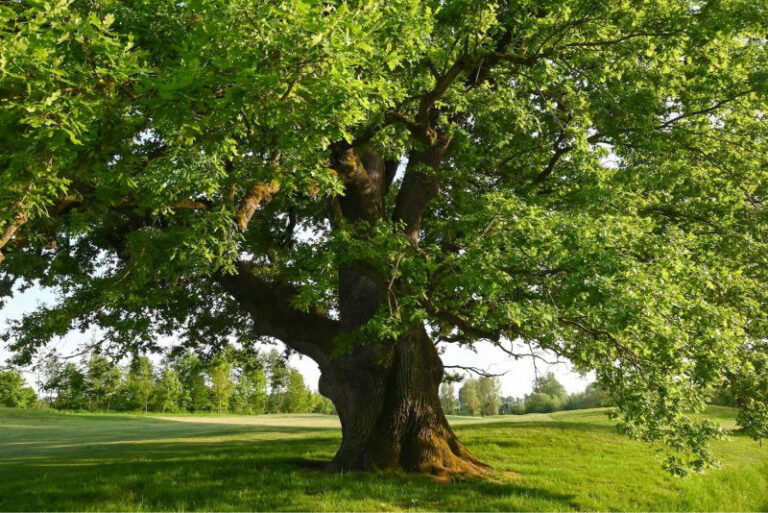 Trees
It’s no exaggeration to describe oak trees as the national tree of Great Britain. They have been integral to our countryside for…
Read more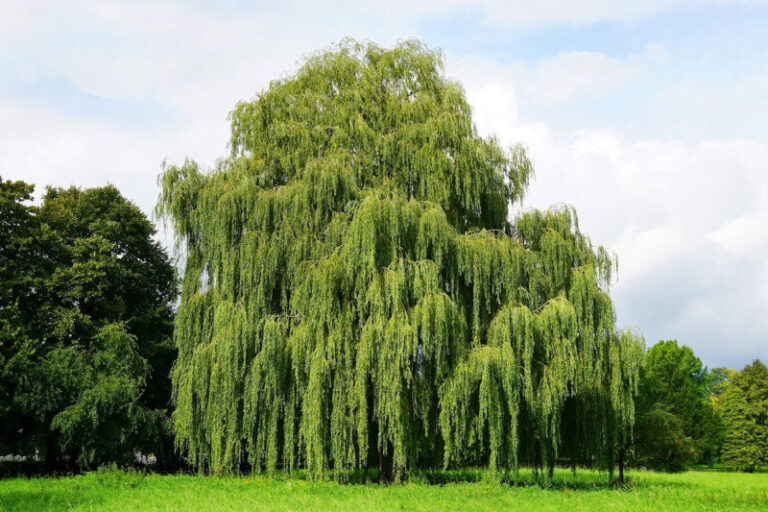 Trees
We’re slap-bang in the middle of bareroot planting season. And that’s something worth celebrating when you love trees and shrubs but are…
Read more Trees
In what can only be a direct response to our post on the Skippinish Oak being made the Woodland Trust’s Tree of…
Read more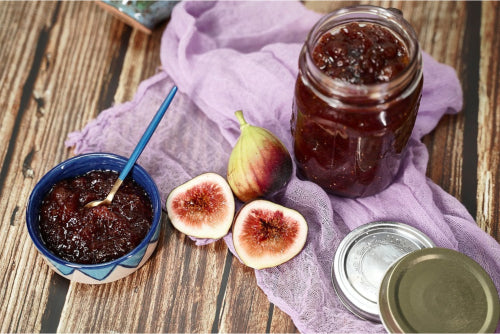 Fruit Trees & Bushes
With Homegrown FigsThere’s nothing quite as jammy as the satisfaction of your own fig jam crafted from fig you grew yourself in…
Read more Fruit Trees & Bushes
There’s Nothing Quite Like Baking with Home-Grown Apples in your Apple Muffin Recipe. Their fresh, crisp flavour brings out the best in…
Read more Fruit Trees & Bushes
There’s nothing quite like the fresh, tangy flavour of home-grown raspberries, and what better way to enjoy them than in delicious raspberry…
Read more Bulbs
Long-suffering visitors to this website may remember that we gave selling hanging baskets a whirl a few years ago. We stopped because…
Read more Blog
Homes & Gardens has so many interesting articles, we really should steal them more often. This pair of articles about outdated back…
Read more Blog
Montane habitats are at the top of and above the treeline, where the last wind-blasted trees and shrubs grow, below the even…
Read more Gardening
Autumn leaves on your lawn have to be dealt with, or they will ruin it. Likewise, your lovely stone, brick, and concrete…
Read more Gardening
The garden centre industry is a wonderful one, full of great people working in it and great customers intent on making their…
Read more Garden Plants
The other day we mentioned Cornwall’s Million Pound edible hedge project, and, we assume in response, the RHS updated their list of…
Read more Gardening
Don’t bother. Using Epsom Salts in the garden is a waste of time and money: may my grandparents (and renowned scientific journals…
Read more Gardening
October’s forecast is looking mild, with nights mostly over 7C (the temperature under which plants generally stop growing) right until the end…
Read more Roses
{"@context":"https://schema.org","@type":"FAQPage","mainEntity":[{"@type":"Question","name":"What are the best rose varieties for buttonholes?","acceptedAnswer":{"@type":"Answer","text":"Hybrid Tea roses are generally the best choice — they produce single large blooms on…
Read more Gardening
Traditional is what you make it at the end of the day, but green and red is the classic theme, and in…
Read more Hedge Plants
At home, we are used to formal evergreen hedges exactly like this yew one: @longleatofficialOur grounds team are hard at work trimming…
Read more Hedge Plants
Hedge laying is pretty important to anyone with an old country hedge: it’s uncommon to see a garden hedge laid, but most…
Read more Hedge Plants
Habitat Aid is our all-time favourite, award-winning, impact driven, Somerset based business founded in 2008, and their hedge planting video is educationally…
Read more Gardening
Being a Rake-y Master in the garden looks easy when you see a professional Irishman on the job, but it’s a gravely…
Read more Trees
Agroforestry is primarily practised by farmers, but elements are increasingly applied to homesteads and large gardens If agroforestry is new to you,…
Read more Blog
The Coolest Name in the Industry Saves the Best for Last Read our musings on parts 1 & 2. Full disclosure: peat bans…
Read more Fruit Trees & Bushes
Grafting is one of Mankind’s ancient technologies, generally done in Spring onto rootstocks planted a full year ago, or mature trees Grafting…
Read more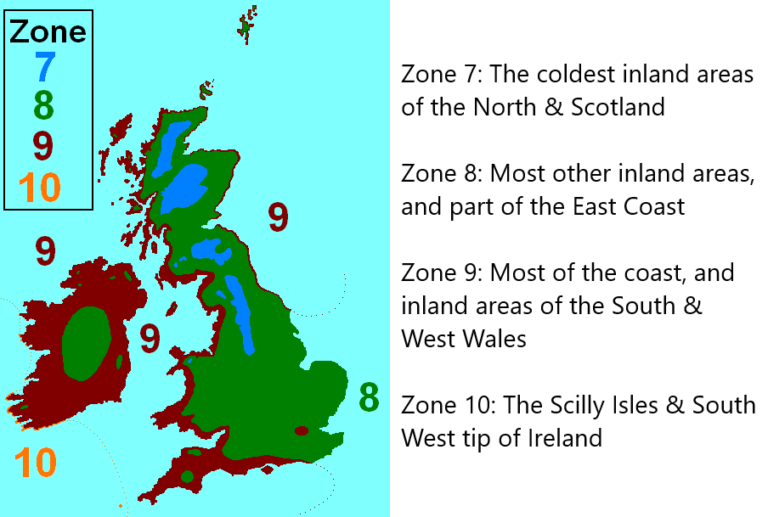 Gardening
Great Britain has one “temperate oceanic / maritime” climate and isn’t very big, but she is still varied enough that it helps…
Read more Blog
HortWeek, the coolest name in the industry, produces 4 part peat-free garden podcast extravaganza Ashridge went through the Peat Free Thing on…
Read more Trees
 Garden Plants
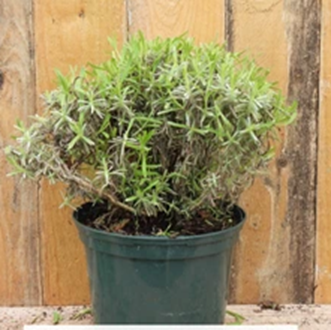
Lavender is the most underpruned plant in the UK — and it's costing gardeners years of good growth. Most people give their lavender a nervous little trim with the kitchen scissors, terrified of cutting into brown wood. The result? A hedge that goes scrawny within a couple of years and needs replacing in four or five, when it should easily last fifteen to twenty. This guide breaks down the "three eights" rule, why English, Dutch, and French lavender all need pruning at completely different times of year, and how to tell the difference between wood that will regrow and wood that won't. Don't be afraid to cut hard — it's the single most important thing you can do for your lavender's longevity.
Read more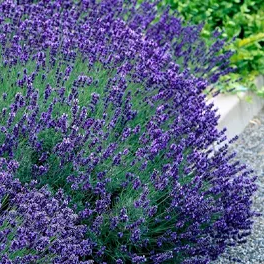 Garden Plants
There are three groups of lavender grown in UK gardens. English lavender (Lavandula angustifolia) is the hardiest, longest-lived, and best-scented — the right choice for most gardens, hedging, and cooking. Dutch lavender (Lavandula × intermedia) is larger, later-flowering, and has a more complex camphor scent prized for oils. French butterfly lavender (Lavandula stoechas) is the showiest but least hardy — best grown in a pot you can bring under cover in winter. Drainage and an annual hard prune in August are the two things that most determine how long any lavender lasts.
Read more Gardening
January Hedging Gently brush snow off evergreen hedging with an upward motion. Erect temporary windbreaks for new evergreen hedges. Wind loosens recently…
Read more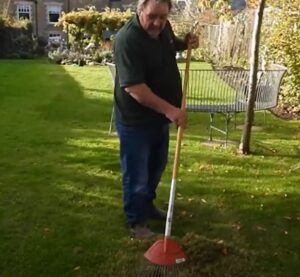 Gardening
Scarifying Your Lawn is Easy With a Springy Garden RakeLawn scarification in the UK is done in Autumn or Spring, about every…
Read more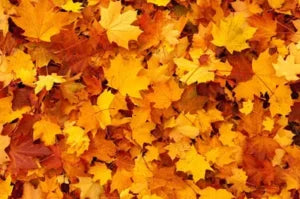 Gardening
What is Leaf Mould?Raking up leaves is part of a gardener’s life. The best way to make use of all those leaves…
Read more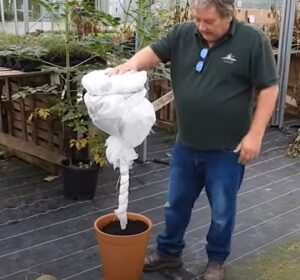 Gardening
Wrap up outdoor potted plants to protect them from frost for WinterWhen Winter frosts are on their way, sensitive plants that aren’t…
Read more Gardening
Using a trusty garden fork to aerate your lawn is suitable for most gardens. It’s a nice, gentle workout that you can…
Read more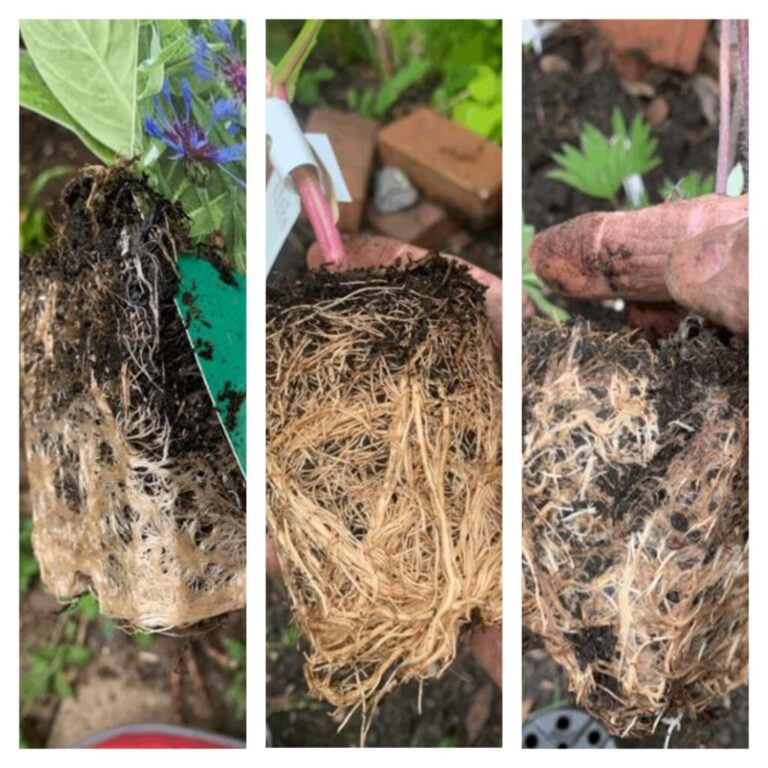 Blog
Feefo, the gold standard of customer review platforms, has awarded us their 2025 Platinum Trusted Service Award Thank you very much to…
Read more Fruit Trees & Bushes
Apple pollination is usually not a concern in the UK, because there are so many orchard and crab apple trees around However,…
Read more Blog
Tony Walker’s chilling series of supernatural stories is set in the probably fictional town of Ashridge, which we hope doesn’t exist just…
Read more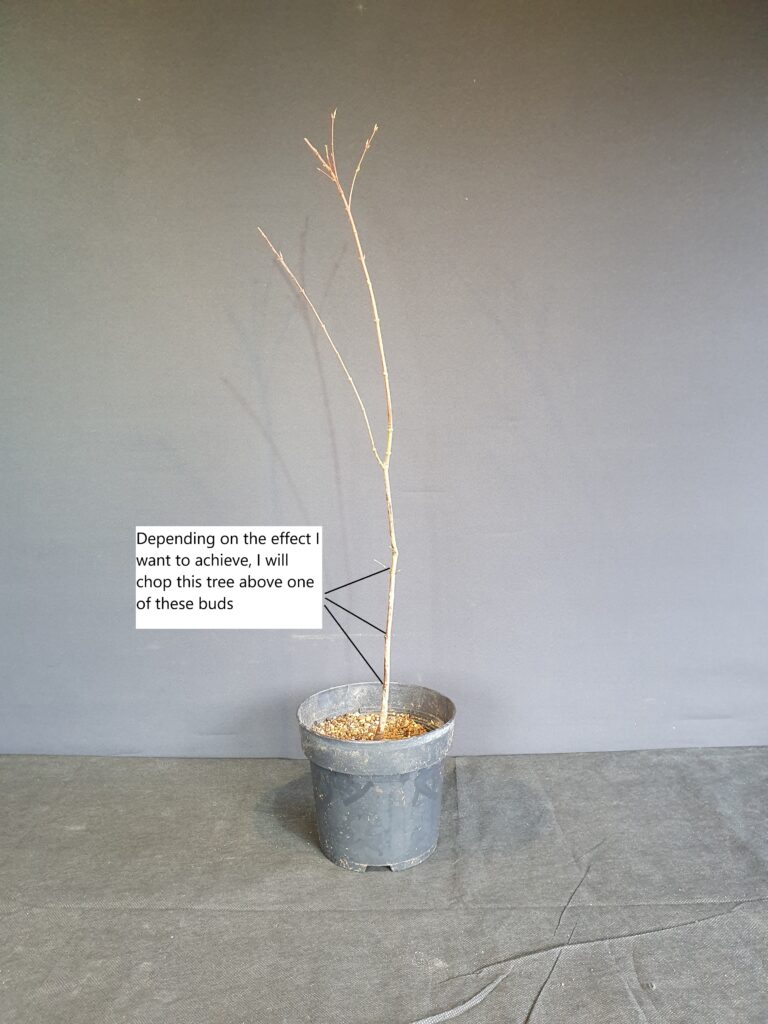 Trees
Somerset Bonsai Society is our absolute favourite Bonsai Society in Somerset. We love them so much that whenever they visit us, we…
Read more Bulbs
Traditionally, many spring flowering bulbs, especially Tulips, were lifted (dug up) after flowering every year, stored over Summer when they are dormant,…
Read more Bulbs
Snowdrops in the green are lifted while they are growing: in leaf and quite possibly in flower.This is done because, providing they…
Read more Bulbs
This video shows the right depths in pots or in the soil, and planting using a bulb planter tool.Read our how to…
Read more Bulbs
A bulb lasagne is a pot of flower bulbs planted in layers for successive flowering all Spring. A 30cm (12”) deep pot…
Read more Bulbs
Daffodils and narcissi are the most popular flower bulbs grown in Britain: good value, very tough, and coming in a wide range…
Read more Bulbs
When Do Bulbs Flower? Start with snowdrops in January and you can have bulbs in flower right through to drumstick alliums in July — six months of colour from plants that need almost no maintenance. Our month-by-month chart shows exactly when each variety flowers in an average UK season, from the first crocus in a mild spell to the last tulips in May. With links to every variety we sell, it is the simplest way to plan a succession with no gaps. Read the full flowering chart →
Read more Blog
 Garden Plants
Digging up and dividing most summer-flowering herbaceous perennial plants is an excellent way to perk them up when they’re looking tired, giving…
Read more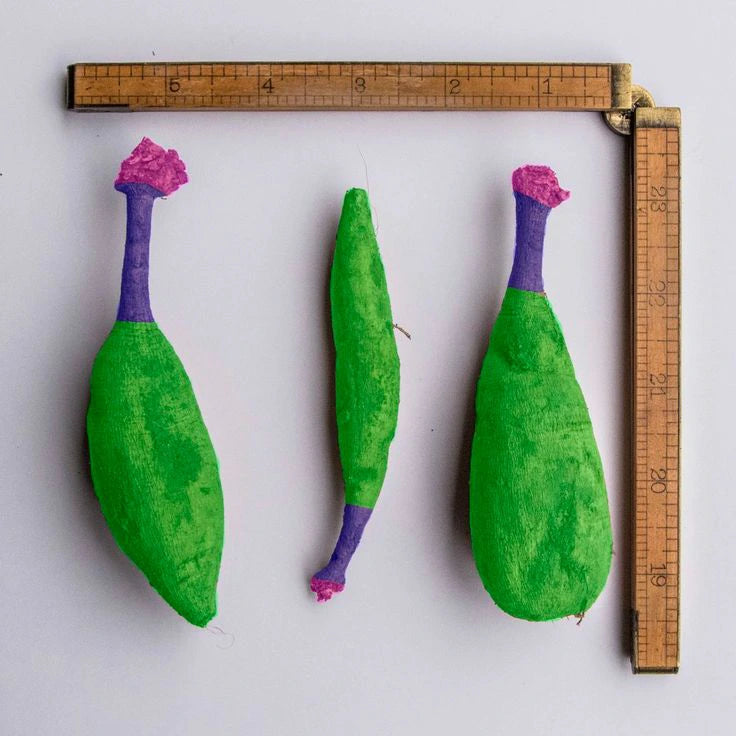 Garden Plants
Dahlia Tuber Eyes and Crowns: Understanding What You've Received You've just received your dahlia tuber from us. It looks like a wrinkly…
Read more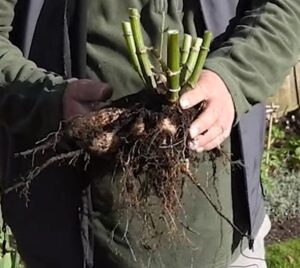 Garden Plants
Overwintering Dahlias: How to Store Tubers and Protect Them Through Winter Dahlias are tender perennials. The tubers survive from year to year…
Read more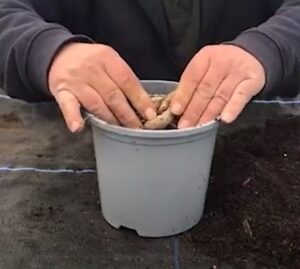 Garden Plants
Start dahlias indoors in March–April for a 2–3 week head start, but it's often unnecessary — Ashridge's experts recommend direct planting in May for most UK gardeners, with blooms from July to November.
Read more Bulbs
Allium bulbs produce spectacular starburst flowers in late Spring and Summer, after the main flush of spring flowering bulbs.Planting Allium BulbsWhen to…
Read more Bulbs
Tulip bulbs bring some of the most stunning Spring colours of any plant grown in Britain. They come with a guarantee to…
Read more Hedge Plants
How to Slit Plant bareroot whips like Hawthorn in mixed native hedges
Read more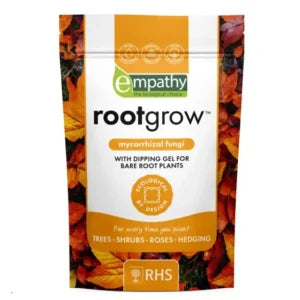 Gardening
When you buy woody plants from us, our basket butler calculates the amount of Rootgrow granules your order needs, and offers it…
Read more Roses
What is rose replant disease? Rose replant disease is probably the most common example of specific replant disease, which can affect several…
Read more Roses
What are the Differences Between Climbers & Ramblers?Rambling roses are much more wild in their DNA than Climbing roses, and this shows…
Read more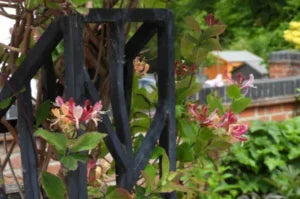 Garden Plants
This video applies to all climbing honeysuckle varieties. Here, we are planting a 3 litre Lonicera, but it’s the same for any…
Read more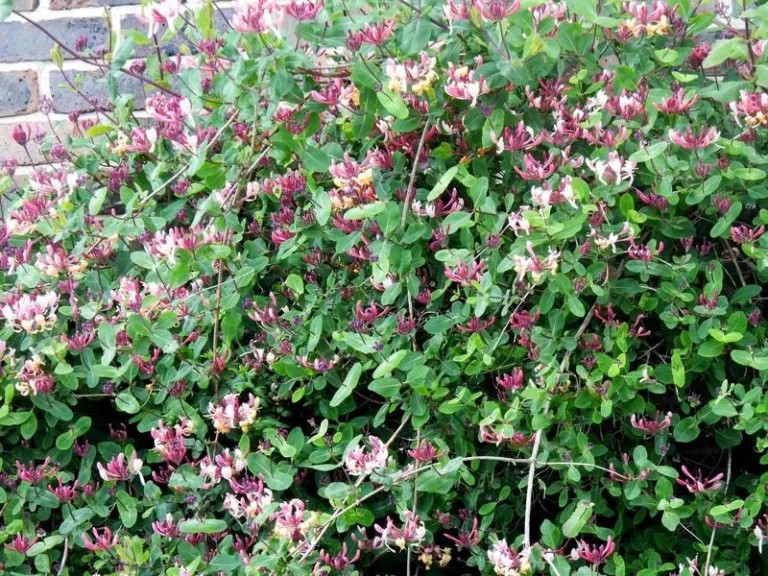 Garden Plants
Shade Loving Climbers for North Facing WallsThe North Wall is tricky for growing plants up because it gets no direct sun. This…
Read more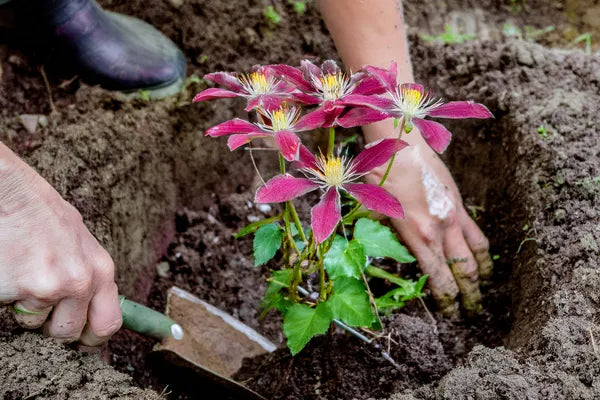 Garden Plants
How to Plant Clematis in Open Ground Clematis will grow well practically anywhere if you give them five things: soil preparation, correct…
Read more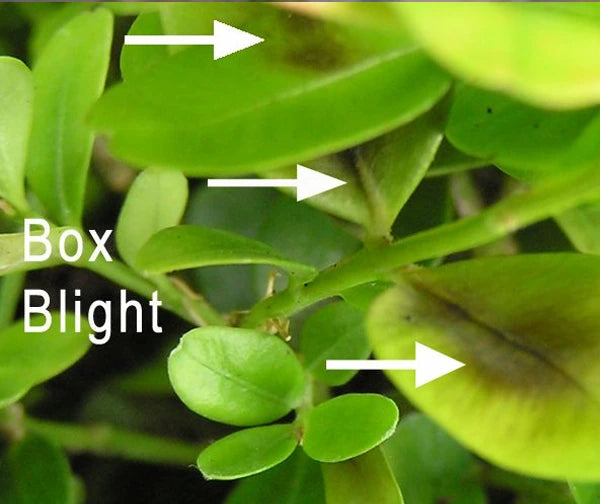 Hedge Plants
Box Blight refers to two separate fungi that attack Common Box and Dwarf Box.It does not affect Box-Leaf Holly, nor Sweet Box.The…
Read more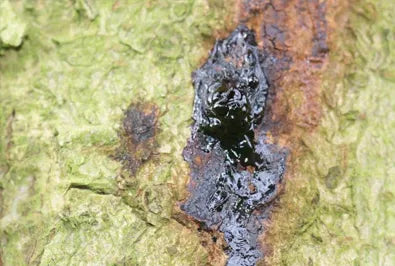 Trees
Horse Chestnut Canker, caused by the bacteria Pseudomonas syringae pv aesculi, is the most serious disease affecting trees in the Aesculus family.…
Read more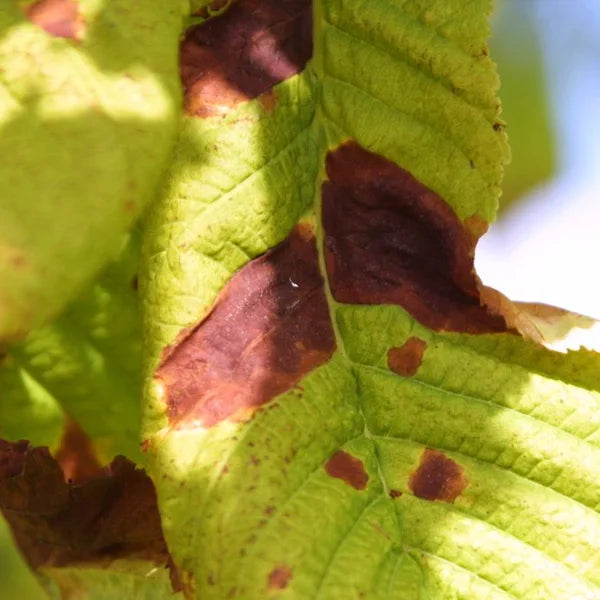 Trees
What are these brown spots on my conker tree’s leaves?Horse Chestnut Leaf Blotch is a fungal condition called Guignardia aesculi that affects…
Read more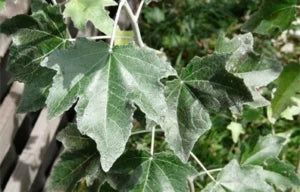 Fruit Trees & Bushes
There is no need to be afraid of Silver Leaf disease, which rarely affects Cherry and Plum trees in gardens, and even…
Read more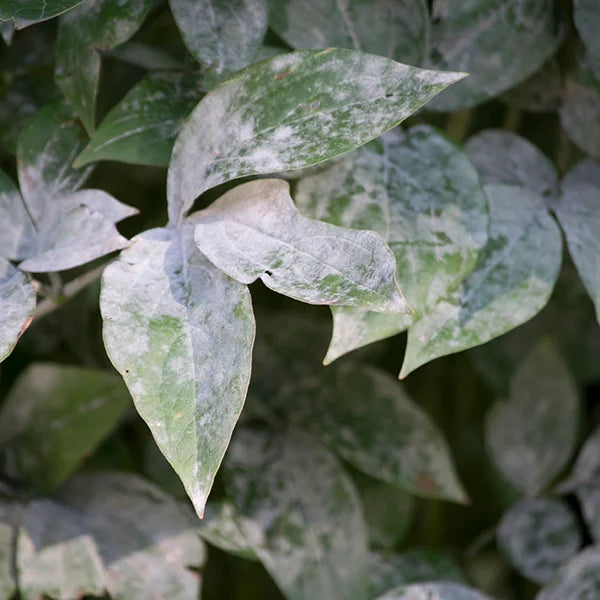 Gardening
What is this White Fungus on my Trees and Hedges?Powdery Mildew is caused by a group of fungi that form a grey-white…
Read more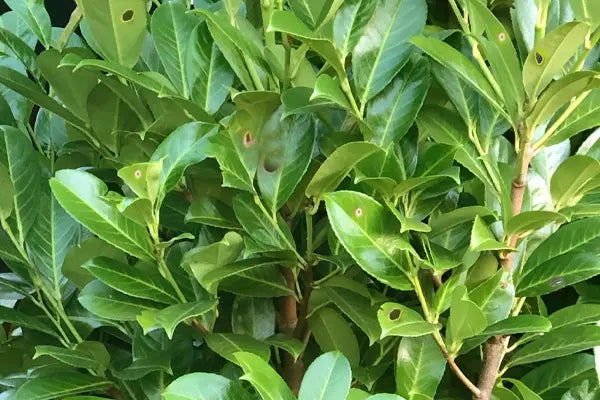 Hedge Plants
Why Are There Holes in My Laurel Leaves?If it looks like something is eating Swiss cheese style holes in your cherry laurel…
Read more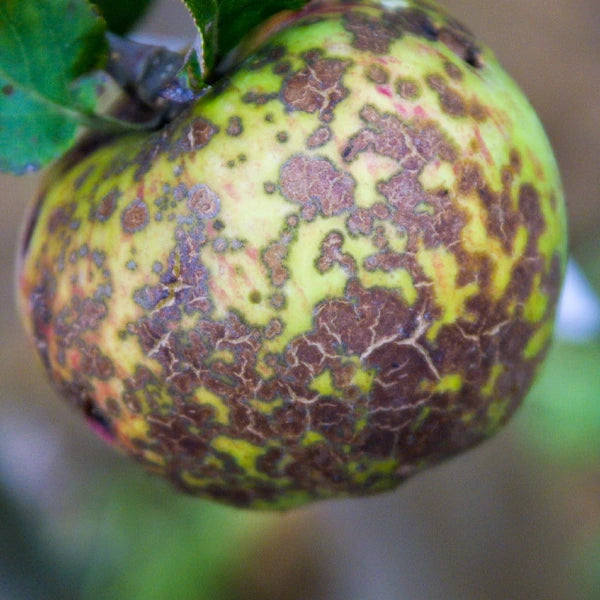 Fruit Trees & Bushes
What is Apple Scab and Pear Scab?Apple Scab and Pear Scab are functionally the same, although the specific fungus is different: Apple…
Read more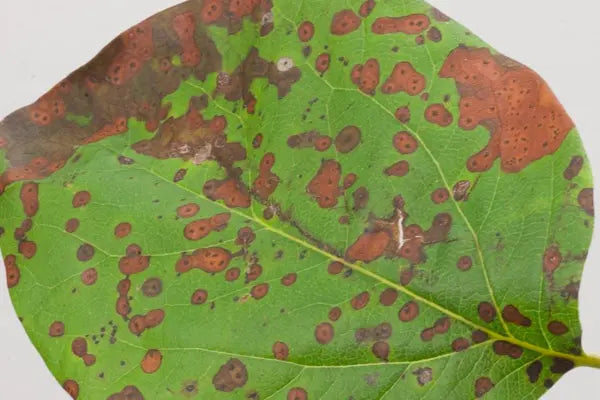 Fruit Trees & Bushes
What are these brown spots on my quince tree’s leaves and fruit? Quince Leaf Blight is the fungus Diplocarpon mespili, which ruin…
Read more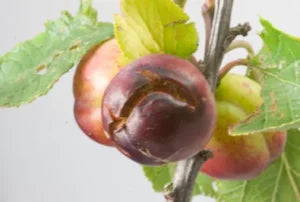 Fruit Trees & Bushes
Plum Fruit split is a condition, not a disease, where the fruit is damaged by splits in the skin. Although they tend…
Read more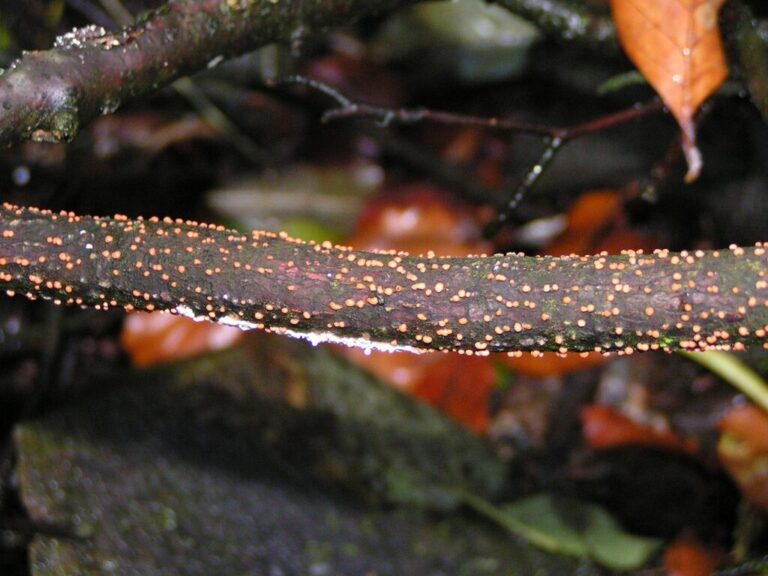 Gardening
Coral Spot IdentificationCoral spot’s small orange-pink pustules are very distinctive. The fungus is active and producing spores almost year round, but you…
Read more Roses
{"@context":"https://schema.org","@type":"FAQPage","mainEntity":[{"@type":"Question","name":"What causes black spot on roses?","acceptedAnswer":{"@type":"Answer","text":"Black spot is caused by the fungus Diplocarpon rosae. Spores overwinter in soil and attack from spring…
Read more Roses
Deer love the top shoots, buds and foliageLeaving ragged stems and bare branches as they go. They are particularly attracted to new…
Read more Roses
How to Deadhead a Repeating Rose Bush, With Some Summer PruningIn this example, we are using the vigorous, repeat flowering rambler, Narrow…
Read more Roses
{"@context":"https://schema.org","@type":"FAQPage","mainEntity":[{"@type":"Question","name":"How do I prune a climbing rose?","acceptedAnswer":{"@type":"Answer","text":"Climbing roses flower on lateral stems that grow from main stems. Keep main stems as horizontal…
Read more Roses
Climbing roses are pruned differently, into a framework of long, ideally winding canes that cover its supports. Related guidesBest Rose Varieties for…
Read more Roses
Rose bushes are British gardeners’ favourite plant. In this complete guide to planting rose bushes, find out the best conditions for roses,…
Read more Roses
{"@context":"https://schema.org","@type":"FAQPage","mainEntity":[{"@type":"Question","name":"What are Old Garden Roses?","acceptedAnswer":{"@type":"Answer","text":"An Old Garden Rose belongs to a class of rose that existed before 1867, even if an individual…
Read more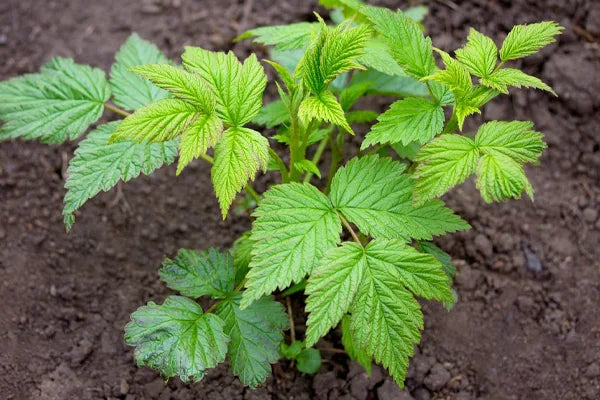 Fruit Trees & Bushes
Intro to Raspberry GrowingThese point apply to almost all our raspberry plants: They fruit very heavily. Their fruit has an extremely high…
Read more Fruit Trees & Bushes
When you order bareroot strawberry plants from us, you can either plant them straight outside in your strawberry beds and planters, or…
Read more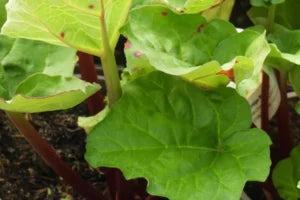 Fruit Trees & Bushes
Rhubarb plants are perfect for beginners & low-maintenance lovers. For best results, we recommend that you dig your patch over at least…
Read more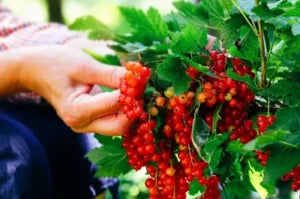 Fruit Trees & Bushes
Currants are some of the most easily grown, and also pretty, little soft fruit bushes. Red & whitecurrants are grown differently from…
Read more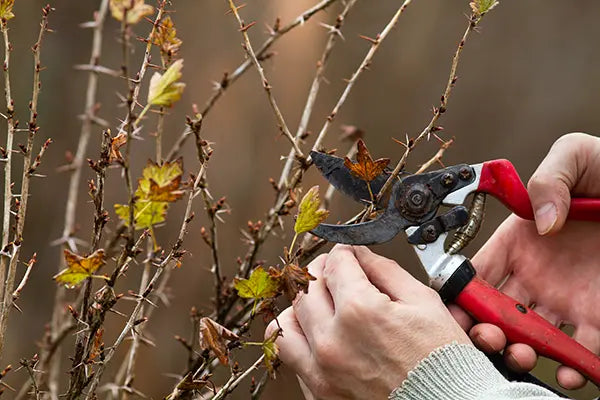 Fruit Trees & Bushes
Gooseberry bushes are pruned almost exactly the same way as Red & Whitecurrant bushes.Pruning is so important for getting good crops of…
Read more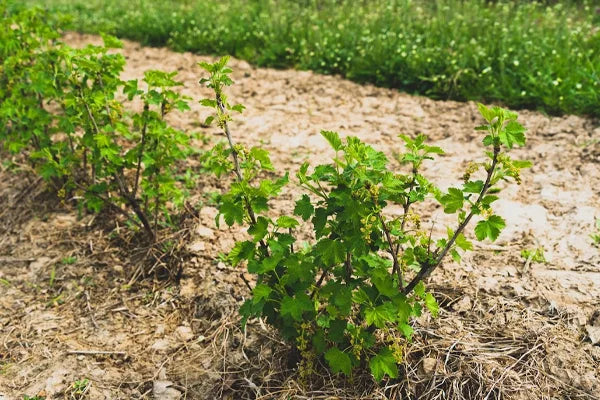 Fruit Trees & Bushes
How to Grow Blackcurrants BushesBlackcurrants are simple to grow, and the pruning regime is a bit different from pruning Red & Whitecurrants.…
Read more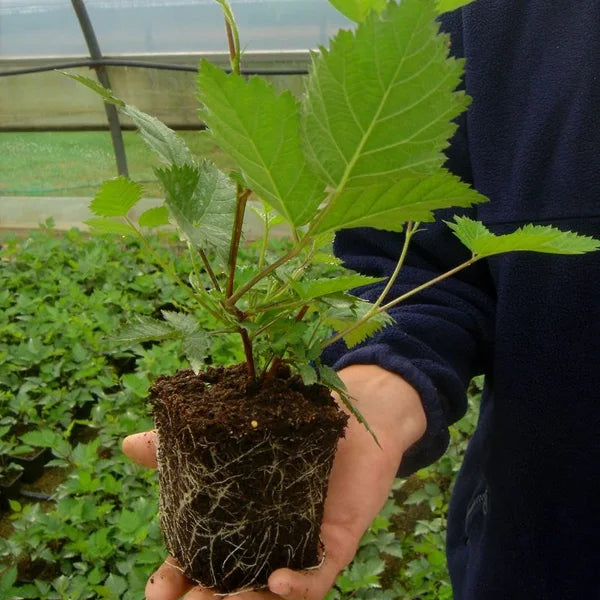 Fruit Trees & Bushes
Blackberry bushes are easy to cut back, this page is not here to overcomplicate things.It’s just a matter of choosing what works…
Read more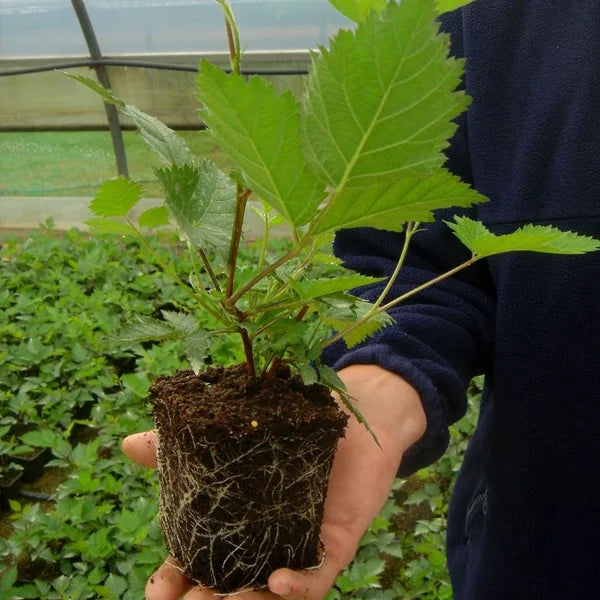 Fruit Trees & Bushes
Planting Blackberries Blackberry bushes tolerate most growing conditions found in the UK, and benefit greatly from anything to grow on for support,…
Read more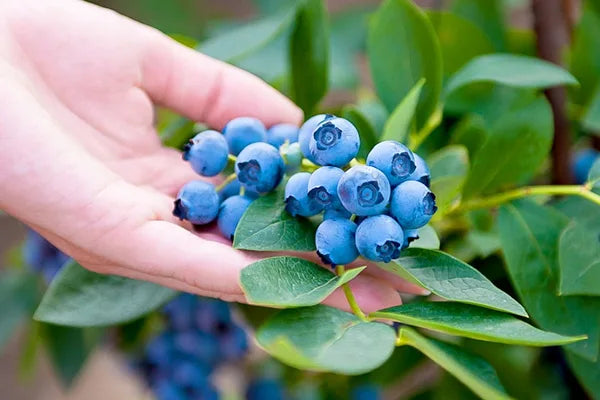 Fruit Trees & Bushes
How to Grow BlueberriesBlueberry plants require acidic soil, pH 5.5 or below, that is moist yet free draining, with lots of rich…
Read more Gardening
Why Clay Soil is Special Most soils are aquiferous: water can flow through them quite freely. When you observe a puddle on…
Read more Hedge Plants
This article is primarily about preparing soil before planting trees (ornamental or fruiting), hedging, roses, and other shrubs.It won’t consider vegetable beds,…
Read more Fruit Trees & Bushes
Yes, but…Yes, you can grow a fruit tree from a seed or stone obtained from fruit in the supermarket, but you will…
Read more Hedge Plants
Most mixed native hedges are mainly hawthorn or blackthorn
Read more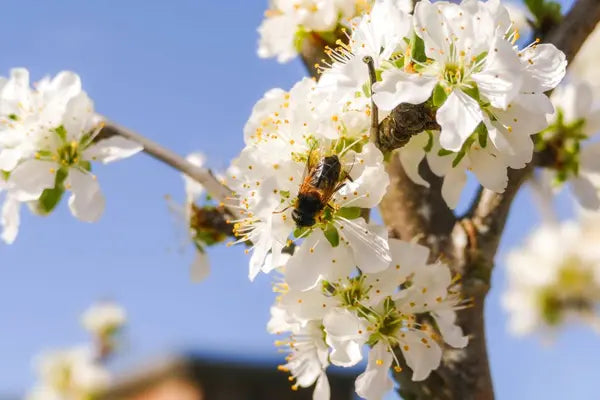 Fruit Trees & Bushes
Two Ways to Find Pollination Partners The main Pollination Checker Tool makes it easy for you to find partners for individual fruit…
Read more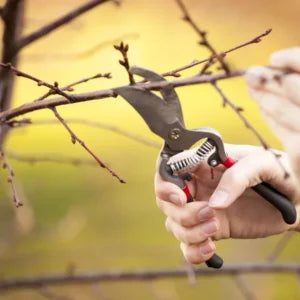 Fruit Trees & Bushes
Essential Aftercare & Maintenance for Good CropsClean Up Leaves & PruningsWhen the crop is in, and winter is knocking on the door,…
Read more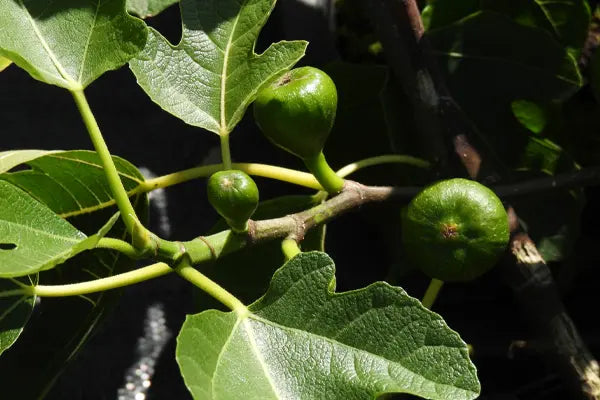 Fruit Trees & Bushes
The most popular fig variety in the UK for getting fruit from is the ‘Brown Turkey’ fig.The instructions for ‘Brown Turkey’ apply…
Read more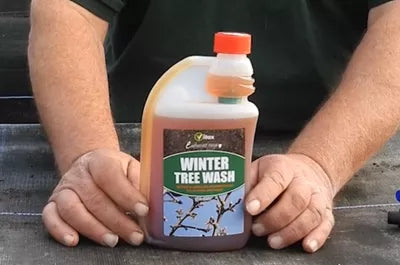 Fruit Trees & Bushes
How to Apply Winter Wash to Fruit TreesIt’s good to apply winter wash to your fruit and ornamental trees in the winter…
Read more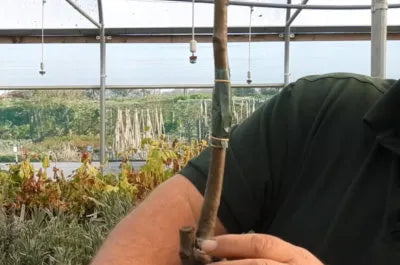 Fruit Trees & Bushes
Grease Bands are Convenient on Young Fruit TreesIf you apply grease bands to your young fruit trees, it will help prevent winter…
Read more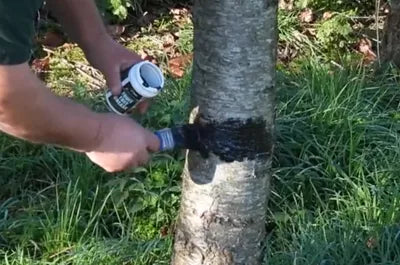 Fruit Trees & Bushes
Applying fruit tree grease from November onwards is used to trap a wide variety of winter moths before they can lay their…
Read more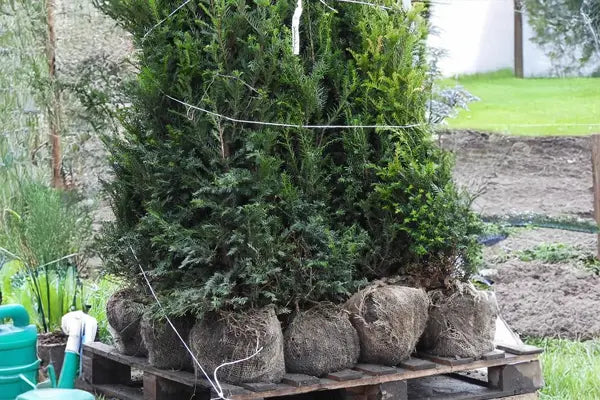 Trees
Moving Evergreens Without Killing ThemThis article is all about moving evergreens like box, yew or pyracantha.Moving plants is not complicated, but by…
Read more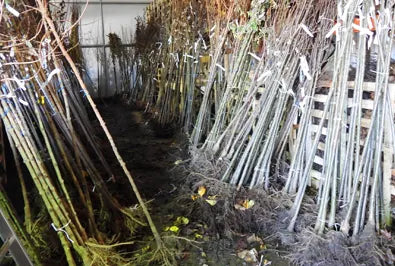 Hedge Plants
“Which month is best for planting?” is an age-old debate!You can plant trees or hedges at any time of year. There are…
Read more Trees
How to pleach a flat-headed Lime treePleaching trees creates a “hedge on stilts”. Many trees are suitable, and limes are ideal pleached…
Read more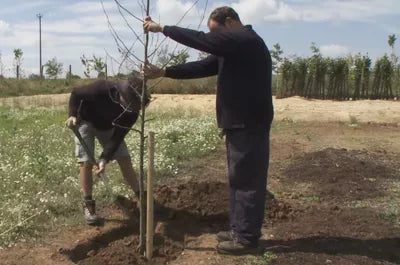 Trees
Planting with a stake is optional but highly recommended.
Read more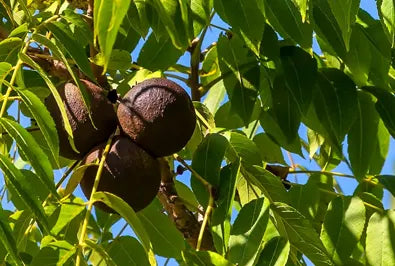 Trees
Do Black Walnut Trees Kill Other Plants?The allelopathic (harmful to other plants) nature of Juglans nigra, Black Walnut, is widely thought to…
Read more Trees
Planting Willow & Poplar for Biomass Wood FuelDetails on many biomass related subjects.Biomass fuel is living or recently dead organic matter, such…
Read more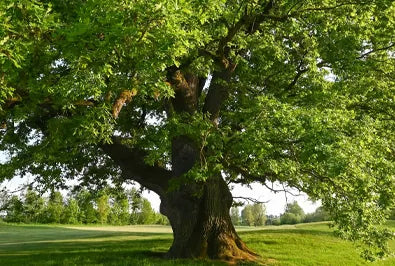 Trees
You can find all the native British trees listed here, and we grow and sell most of them. Definition of native VS…
Read more Trees
Dutch elm disease (DED) is caused by Ophiostoma novo-ulmi and Ophiostoma ulmi fungi, which primarily attack members of the Ulmus family (Elm…
Read more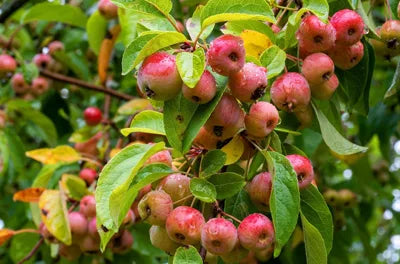 Fruit Trees & Bushes
When to Prune Crab Apple TreesThis video demonstrates a crab apple tree, and the same principles apply to a lot of other…
Read more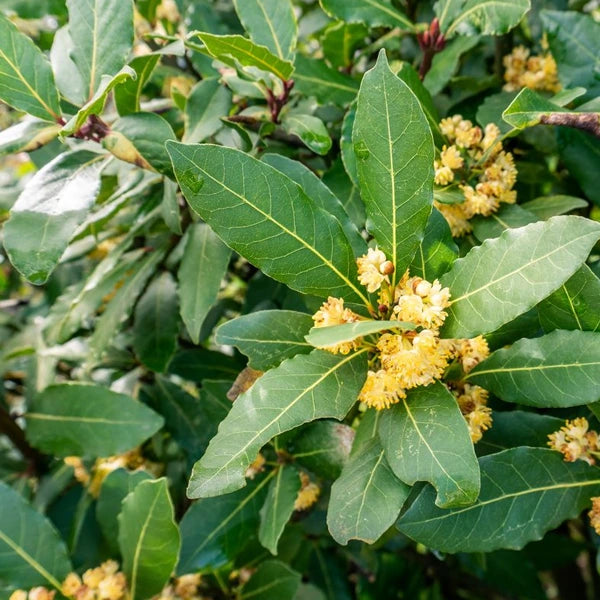 Trees
Laurus nobilis, Sweet Bay or Bay Laurel, is a smart evergreen tree, easy to clip as a hedge, ideal for training into…
Read more Trees
Tree roots will not grow through anything that is solid enough, including the concrete foundations of a modern building. Consider that tree…
Read more Gardening
Compare Slit Planting VS Trench Planting Slit Planting Used for bareroot hedging & trees under 80cm Mainly for country hedges & forestry…
Read more Trees
What Size Mature Tree Are You Looking For?When people want to buy a mature tree, they are usually thinking of the largest…
Read more Fruit Trees & Bushes
Apple Tree Varieties Suitable for Scotland & the NorthApple trees are incredibly hardy, however, their flowers can be damaged in freezing weather,…
Read more Fruit Trees & Bushes
Can I make cider from eating and cooking apples?Yes, all apples make cider, but the flavours from cider apples are better: most…
Read more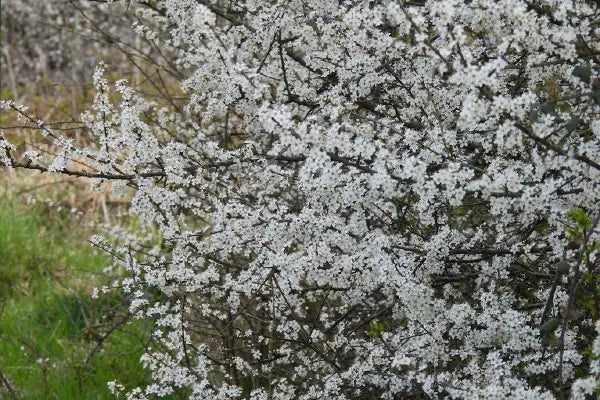 Hedge Plants
Browse these fast growing evergreens for privacy hedges.If your neighbours are seeing too much for comfort, a mature hedge between you is…
Read more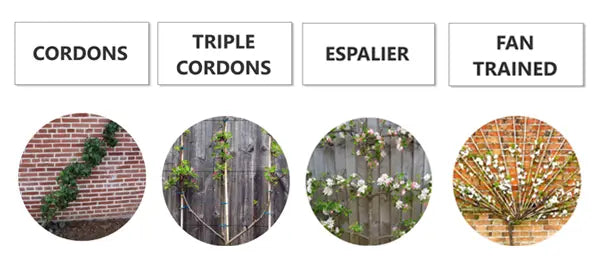 Fruit Trees & Bushes
 Fruit Trees & Bushes
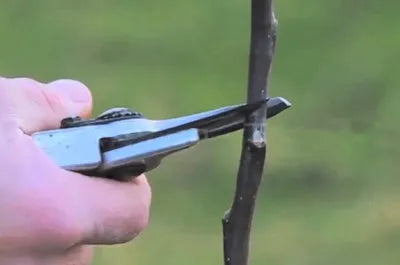
Formative pruning of new, freestanding fruit trees, starts with either unbranched Maidens, or young Bushes or Half Standards with a further year’s…
Read more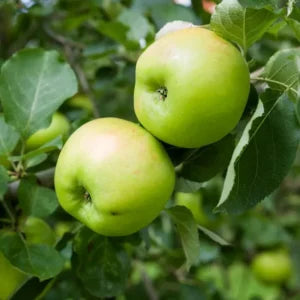 Fruit Trees & Bushes
Most Apples are spur bearing; partial tips are like spursMost apples and pears are spur bearing: they are pruned “normally”, and are…
Read more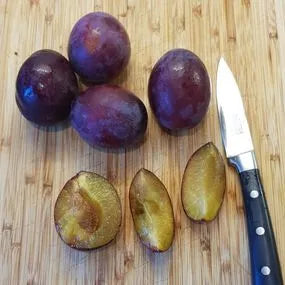 Fruit Trees & Bushes
The Best Plum Tree Pruning VideosPlums are vigorous trees and respond well to pruning. If they are not pruned, they quickly get…
Read more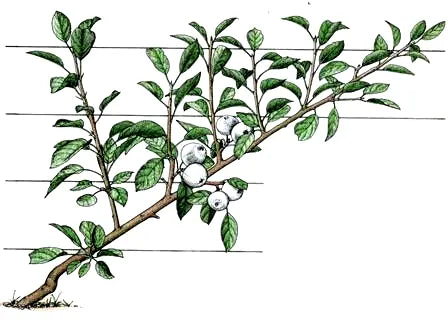 Fruit Trees & Bushes
Cordons are compact wire trained fruit trees, usually apple or pear
Read more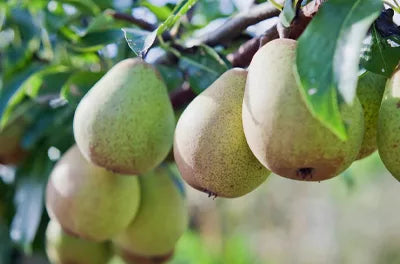 Fruit Trees & Bushes
Grow Conference, then Comice, then Concorde.
Read more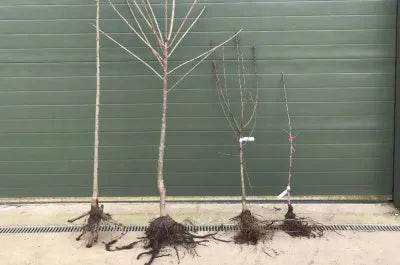 Trees
Bareroot trees look like sticks! Compare standard & sapling sizes
Read more Fruit Trees & Bushes
 Fruit Trees & Bushes
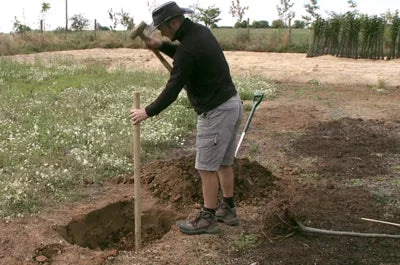
Fruit Tree PlantingWatch our step-by-step video showing you how to plant bush or half-standard sized fruit tree with a small 120cm tree…
Read more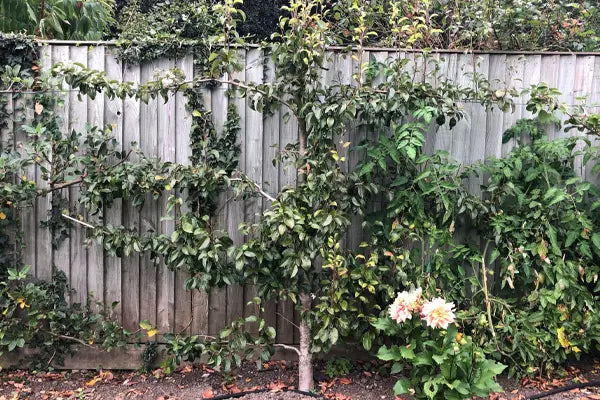 Gardening
This post concentrates on fruiting plants, but the same principles apply to an ornamental “wall shrub”.How to start training fruit trees on…
Read more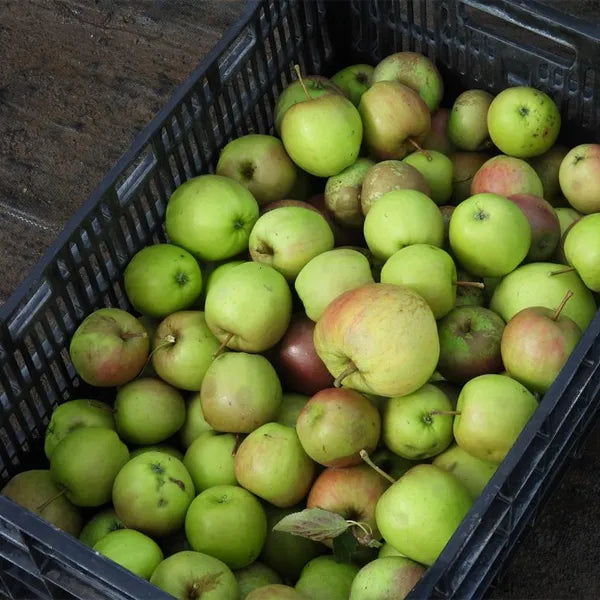 Fruit Trees & Bushes
The British climate makes for ideal apple territory.They like well drained, fertile soil including clay, and with shelter can grow inland at…
Read more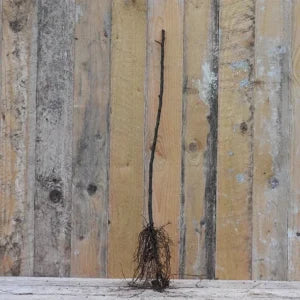 Fruit Trees & Bushes
To graft your own fruit trees, you can buy Apple, Pear, Cherry, and Plum rootstocks from us.Grafting is the only way to…
Read more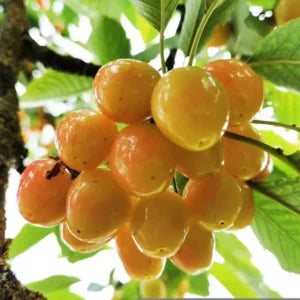 Fruit Trees & Bushes
We grow a good range of self fertile sweet cherry trees that do not need to be pollinated. However, more than half…
Read more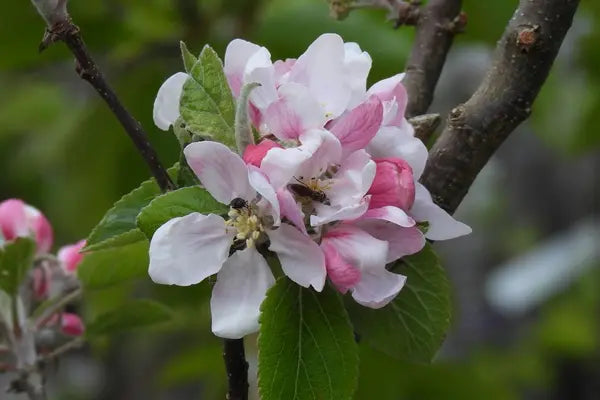 Fruit Trees & Bushes
Pollinating your Apple Trees Increases your crop Size Most apple trees need to be pollinated in order to bear fruit, and even…
Read more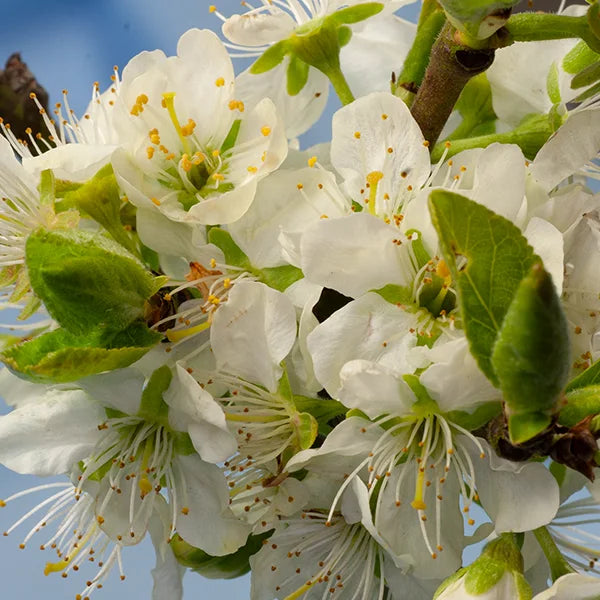 Fruit Trees & Bushes
Many Plums Are Reliably Self FertileMost plums are either reliably self fertile or partially self fertile, so pollination is much less of…
Read more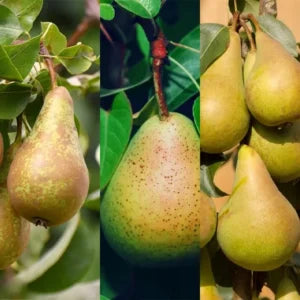 Fruit Trees & Bushes
Choosing Pollination Partners for Pear Trees Use our easy pollination checking tool to quickly find pollination partners for a given pear tree,…
Read more Gardening
Bareroot plants can be very late coming into leaf & evergreens can drop their leaves
Read more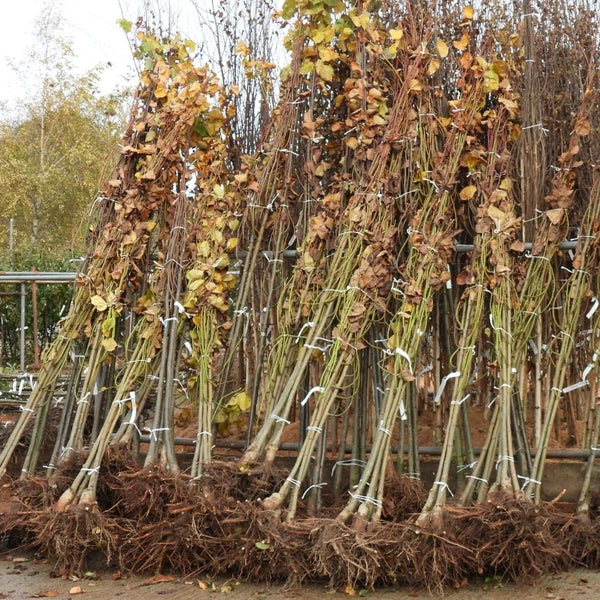 Gardening
Bareroot means delivered dormant in Winter with no soil around the roots.
Read more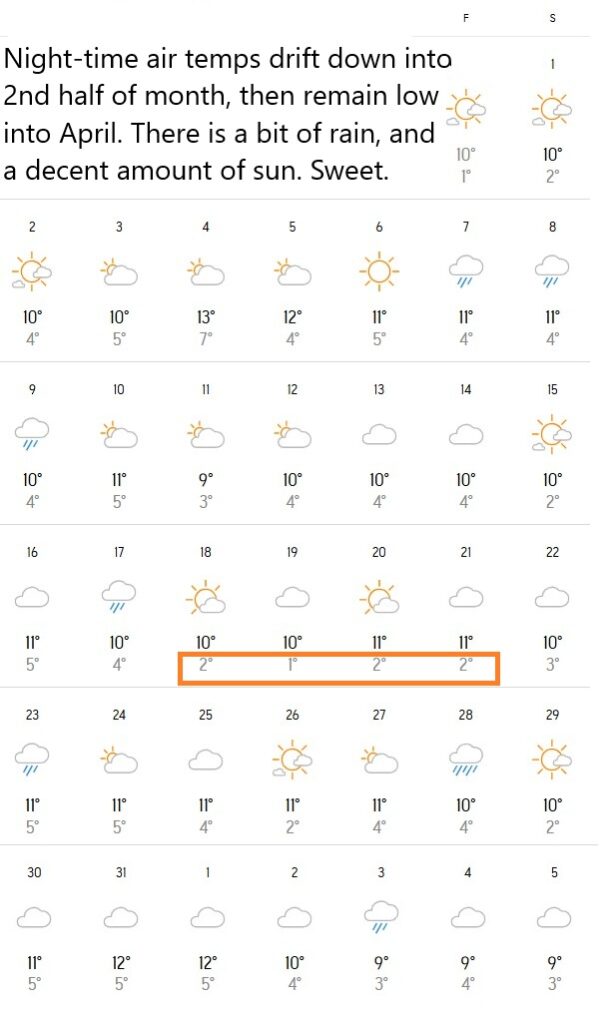 Gardening
March 2025 is looking to be an exceptionally good bareroot planting month
Read more Trees
The managed woodland is a copse (coppice), the pruning action is to coppice
Read more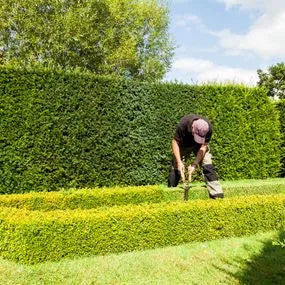 Hedge Plants
The Best Plants for Small HedgesLow Ornamental & Border Hedges Plants Low hedging is roughly shin to waist high, approximately 30cm to…
Read more Blog
 Fruit Trees & Bushes
Cordon apples & pears are even better suited to grafting than freestanding trees
Read more Hedge Plants
Unlike garden hedges, country hedges are typically trimmed every 2-3 years
Read more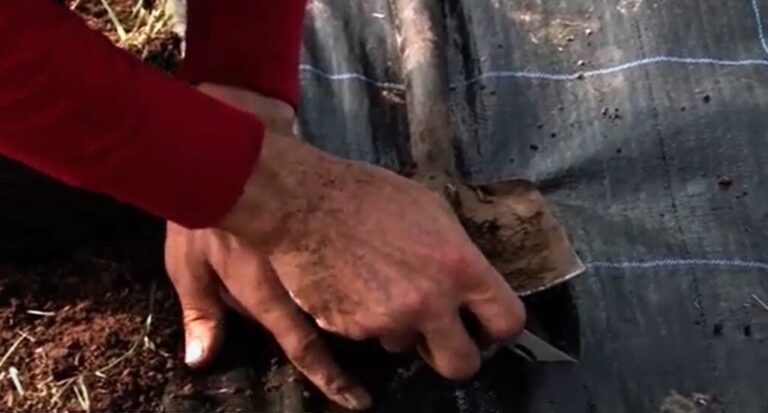 Hedge Plants
 Hedge Plants
 Hedge Plants
The Countryside Stewardship new hedge grant BN11 covers the cost of a native hedge
Read more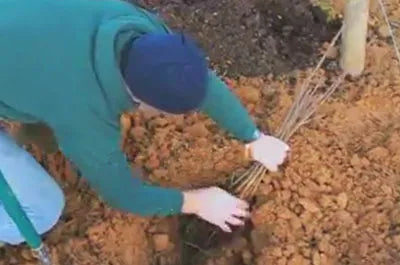 Gardening
The best way to store bareroot plants is also usually too much work
Read more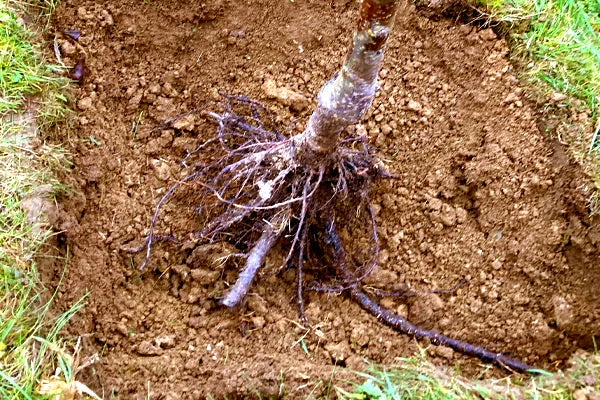 Gardening
 Gardening
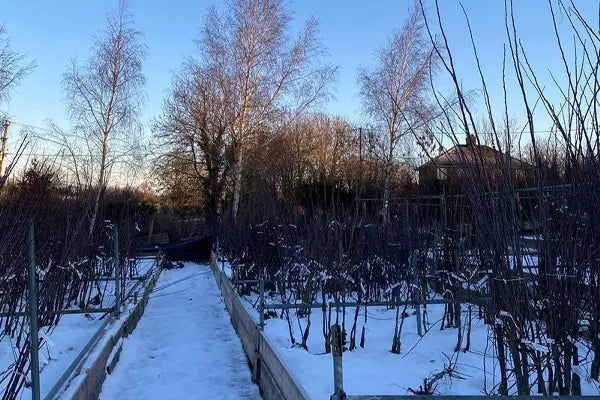
You can't plant in frozen soil, and bare roots should not be moved when frozen anyway
Read more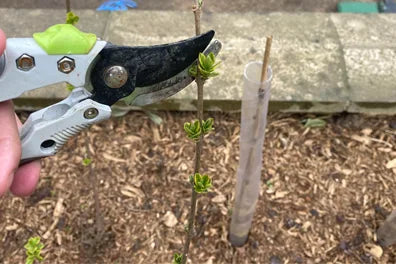 Hedge Plants
Pruning Young Hedges While Growing to Mature SizeFormative pruning of a new hedge is handled differently from trimming a mature hedge.Because you…
Read more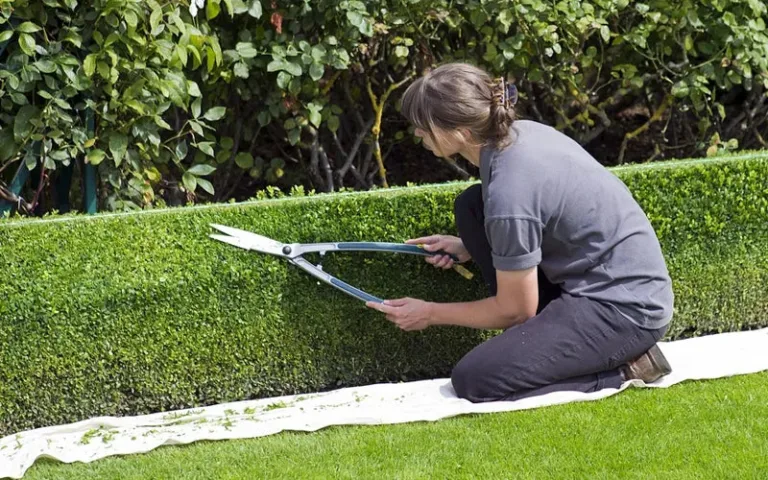 Hedge Plants
Trimming a Hedge Means Two Different ThingsTrimming a Mature Hedge: Cut off practically all the new growth (less than a year old),…
Read more Hedge Plants
Double row native hedges are great for wildlife 6 Plants Per Metre required for Countryside Stewardship grants Easily order the right plants…
Read more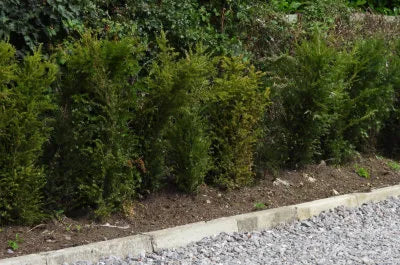 Hedge Plants
Yew is the King of Hedges for good reason, but it grows steadily rather than vigorously, so a new Yew hedge takes…
Read more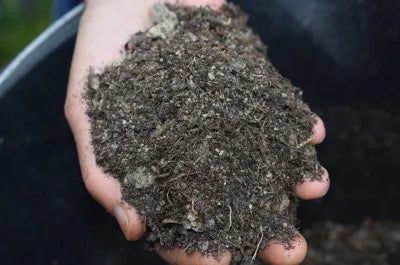 Gardening
What Does Mulch Do?Mulch covers the soil around a plant in order to: Keep the sun off Trap moisture while allowing water…
Read more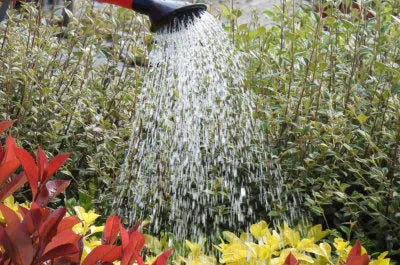 Gardening
Most new plants that fail are killed by underwatering. Proper watering is crucial for all new plants while they are establishing, even…
Read more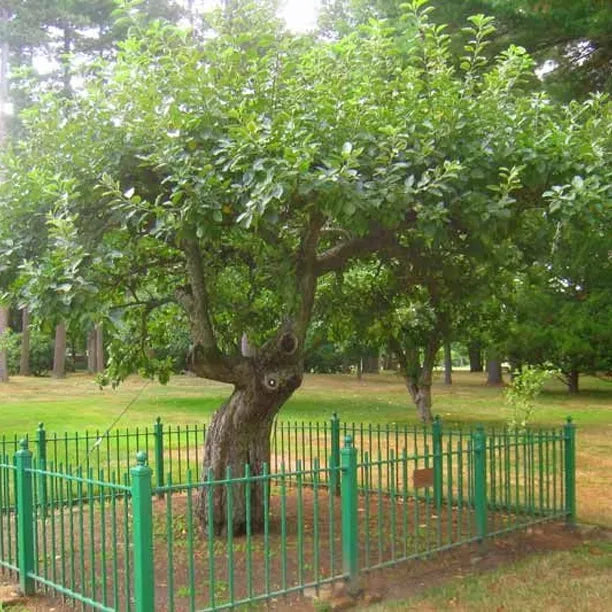 Trees
It’s not a very good apple tree. Simple as that. Several years ago, we sold “Isaac Newton’s apple tree”, which is already…
Read more Garden Plants
A shrub is a woody, freestanding plant that naturally has multiple main stems. Through pruning, many shrubs can be grown as a tree…
Read more Blog
 Garden Plants
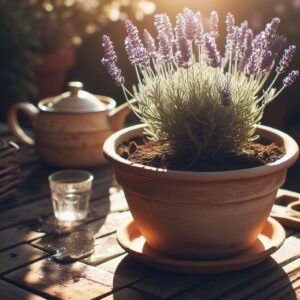
Water your lavender plants, just don't overdo it.
Read more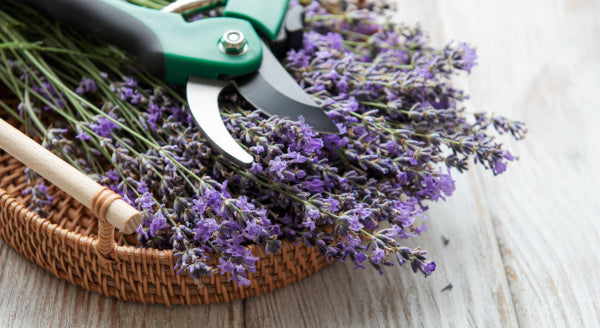 Garden Plants
Harvest lavender at the wrong moment and you'll lose either the scent or the shape — timing is everything, and it's different depending on what you're making. For oil, wait until first bloom starts to fade, when the flowers hold the most oil. For dried bunches, pick earlier, while half the buds are still closed, so the heads stay intact. And the "best" variety isn't one-size-fits-all: Grosso leads for oil, Hidcote is the standout for drying and moth-proof lavender bags, and Munstead is unbeatable in the kitchen. This guide covers exactly when and how to harvest for each purpose.
Read more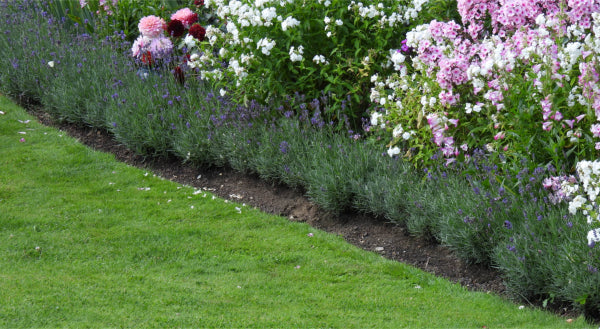 Garden Plants
English, Dutch, and French — three lavenders, three very different personalities, and choosing the wrong one for your garden is an easy mistake to make. English Lavender is the toughest and best-scented, happy as a hedge in almost any UK soil. Dutch Lavender (Lavandin) is bigger, bolder, and carries the camphor-edged scent found in soaps and candles. French Lavender is the showiest, with its distinctive "rabbit ears," but it hates wet feet and does best in a pot you can move under cover for winter. Drawing on twenty years of growing all three, this guide breaks down which lavender suits which spot in your garden — for hedging, pots, cooking, oil, or simply the best display — and clears up the real differences in hardiness, scent, and flowering season along the way.
Read more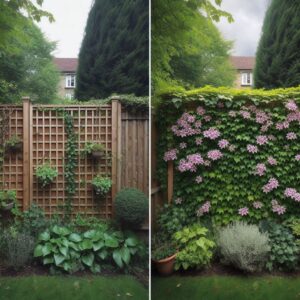 Gardening
If you can’t use climbing plants and wall shrubs to beautify your fence, that leaves either painting / staining it, or fixing…
Read more Garden Plants
Despite the name, English lavender isn't actually English — so how did a Mediterranean plant become one of the most quintessentially British garden fixtures? Lavender arrived with the Romans over 1,500 years ago, spread through monastery gardens by the medieval period, and became a fixture of English kitchen gardens by the 17th century. This guide traces that journey — from Roman bathwater to the perfumed lavender fields of Norfolk and Surrey — and explains why "English lavender" refers not to where the plant is from, but to the variety bred and selected over centuries to thrive in Britain's cold, damp winters.
Read more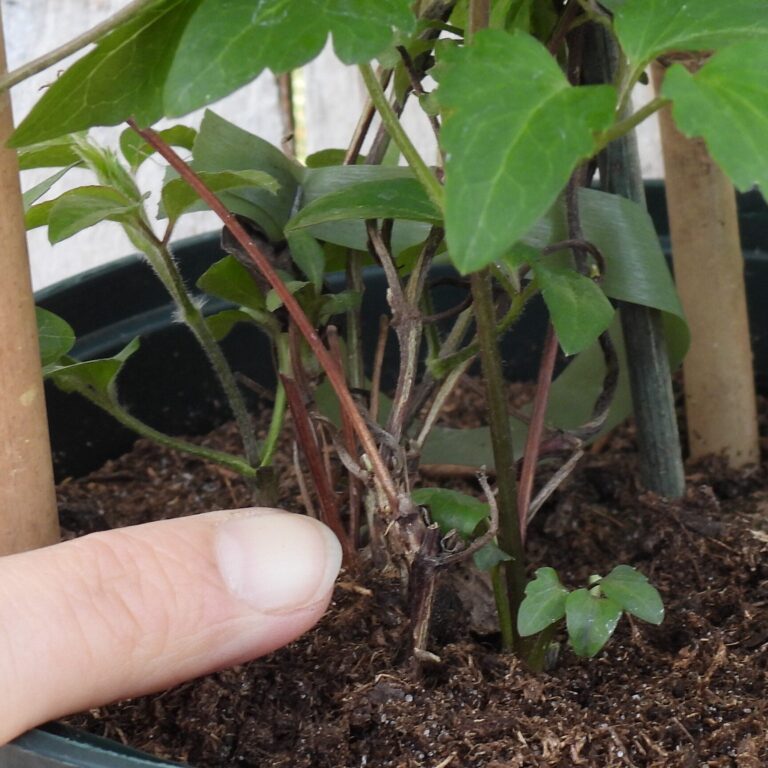 Garden Plants
Most people plant their Clematis vines a little deep, the British Clematis Society says: “Ensure that the surface of the root ball…
Read more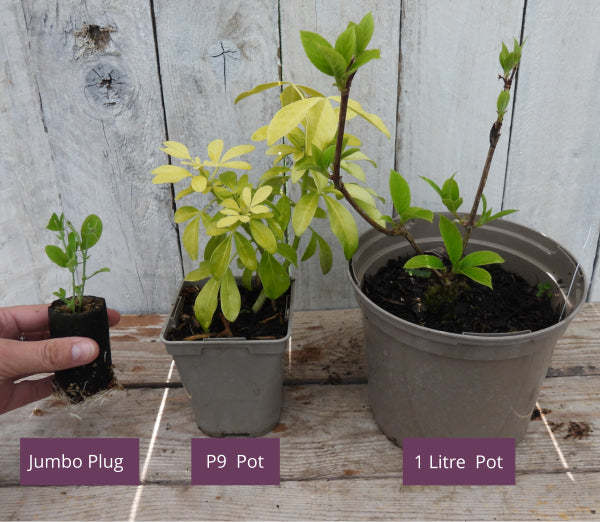 Gardening
A P9 pot is 9cm wide at the top, containing about half a litre of soilIt would be clearer if P9s were…
Read more Gardening
Polytunnels are amazing if they are yours, somewhat unattractive if they are your neighbour’s (a hedge in between might help), and most…
Read more Hedge Plants
It is true that Cherry Laurel, Prunus laurocerasus, is a trooper and will grow almost anywhere, but that is not the same…
Read more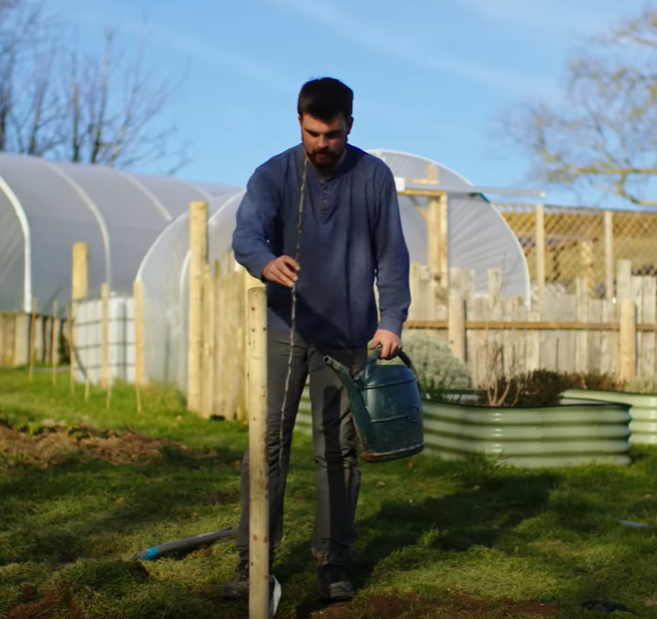 Trees
Picking on Huw Richards Inspires Us to Make Better Tree Planting VideosAt Ashridge, we feel a bit responsible for how well people…
Read more Fruit Trees & Bushes
One of our customers, M, got in touch with a fruit tree pollination question, asking about the difference between: Not self-fertile Partially…
Read more Hedge Plants
Establishing trees & hedges should be kept clear of grass & weeds
Read more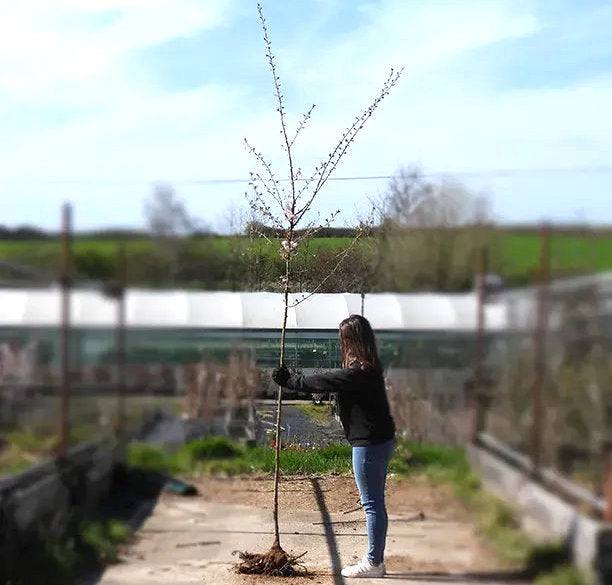 Trees
What is a Standard Tree? A standard tree is measured by its girth in CM at 1m above the ground, not by…
Read more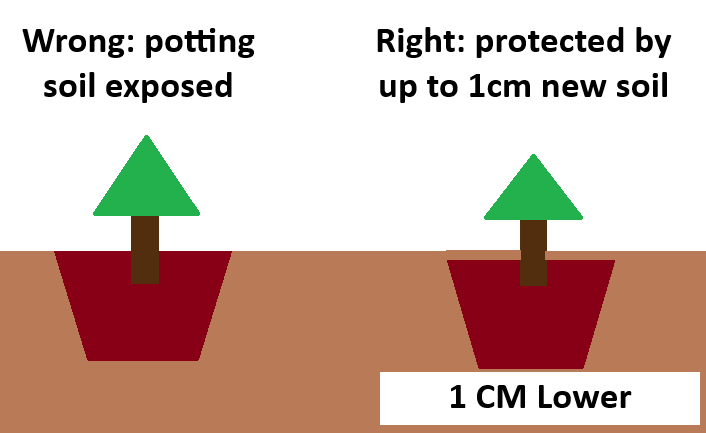 Gardening
After you plant a potted plant like Lavender out in your garden or a larger container, the top of the potting soil…
Read more Garden Plants
Worried about your lavender hedge around cats or dogs? You can stop worrying — the plant itself is one of the safest things growing in your garden. There's a real distinction between the lavender you grow outside and the concentrated essential oil sold in bottles, and the two get conflated far too often. This guide sets the record straight on what's actually safe, where the genuine caution around lavender oil comes from, and why, despite decades of keeping dogs of every temperament, not one has ever so much as nibbled at the lavender.
Read more Garden Plants
When is the Best Time to Plant Perennials UK? Mid-Spring and early Autumn are best. Summer is fine, especially in the shade.…
Read more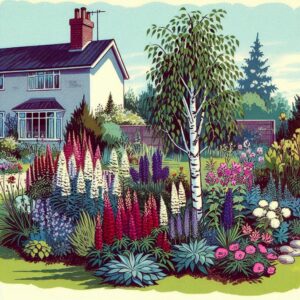 Garden Plants
What are Perennial Plants? A perennial plantlives for three plus years. Trees and shrubs are woody perennials.In everyday garden use, perennial refers…
Read more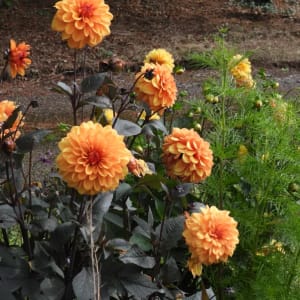 Garden Plants
The Ashridge Guide to Growing Dahlias Dahlias are the most generous flowers in the summer garden — plant a single tuber in…
Read more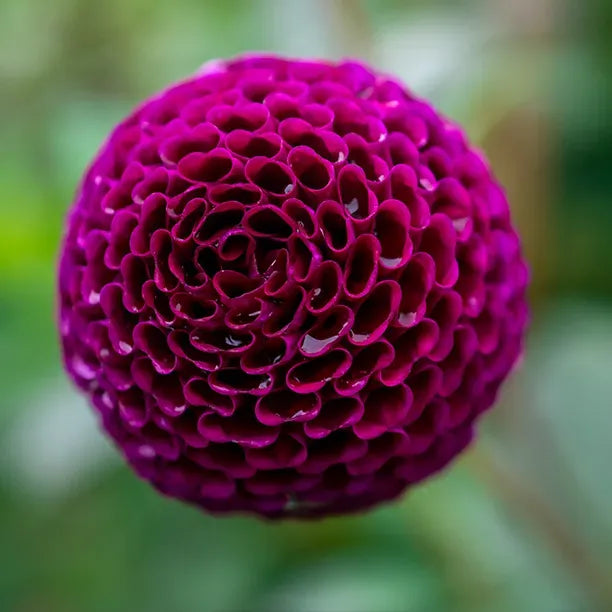 Garden Plants
Types of Dahlia Decorative, ball, cactus, pompon, waterlily, collarette, peony and more. Our guide explains every dahlia flower form with photos, Ashridge variety picks, and links to each collection. Useful whether you're choosing your first tuber or identifying one already in your garden.
Read more Garden Plants
Gutters, Pipes & Fittings are Always VulnerableMost climbing plants can damage, block, or push guttering, drainpipes and other external fittings off the…
Read more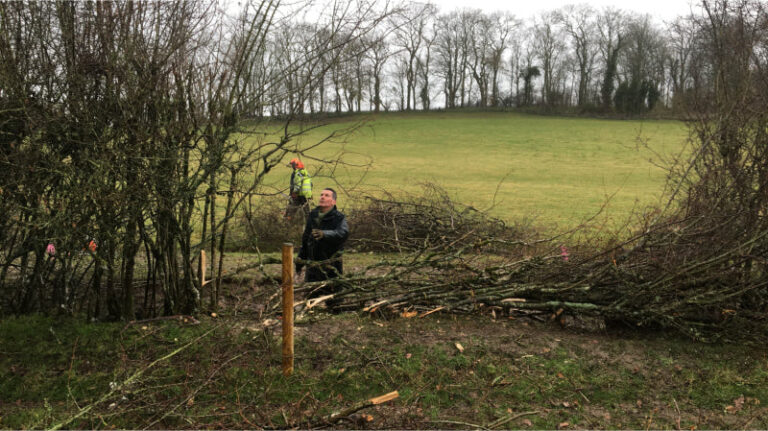 Hedge Plants
Here at Ashridge the ‘dormant season’ is anything but – in fact it’s our busiest time of the year. But we’re not…
Read more Hedge Plants
We say 3 things about Yew - quick growing when young, likes clay on the dry side & is very durable.
Read more Hedge Plants
My friend Rachel is a passionate if impatient gardener. Vegetables are really her thing, probably because they germinate and grow before she…
Read more Hedge Plants
Right now is an ideal time to try, when the soil is nice and damp and not-frozen.
Read more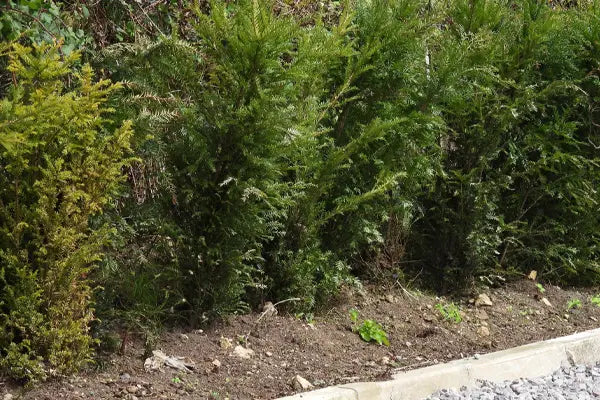 Hedge Plants
This is a blog post covering the reasons for yew hedge deaths and identifying possible cures and remediation
Read more Hedge Plants
The RHS has produced a dear little video that very sweetly promotes hedges over fences on the basis of their usefullness and…
Read more Hedge Plants
An angled cut along the top corner of a hedge lets more light in
Read more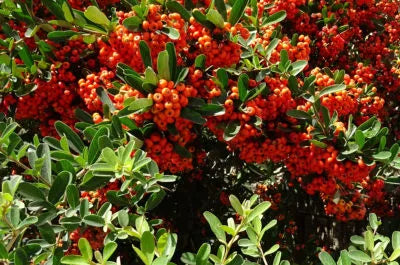 Hedge Plants
Pyracantha, like almost any broadleaf, hardwood hedge plant, can be hard pruned as needed to reduce its size and keep it tidy.…
Read more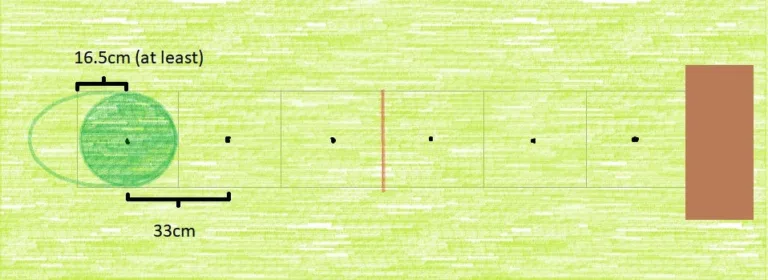 Hedge Plants
A single row with 3 plants per metre, 33cm apart along the row, is standard for a garden hedge. Most garden hedges…
Read more Hedge Plants
Open rabbit spirals quickly like a pro, smoothly separating rolls out into 5 individual guards Hedge spirals, rabbit guards, are manufactured in…
Read more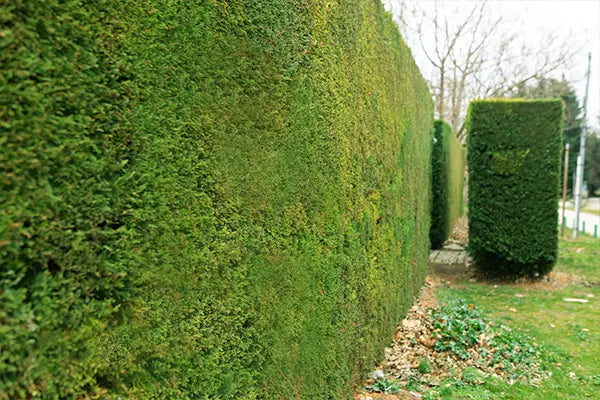 Hedge Plants
Best Time to Trim Yew Hedges To keep a mature yew hedge tidy with only one cut per year, the ideal time…
Read more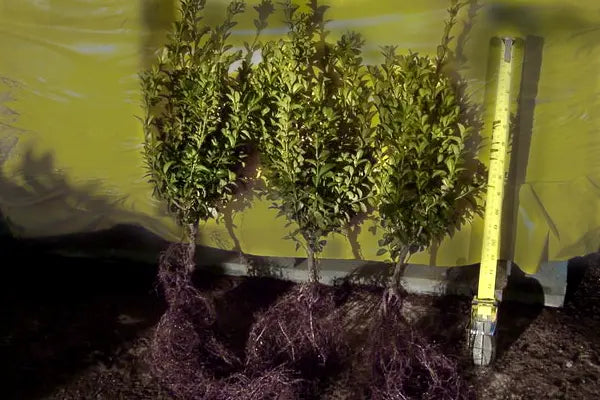 Hedge Plants
Boxwood (Buxus sempervirens) is a tough little evergreen, one of the relatively few hedge plants that is genuinely happy in shade. Once…
Read more Hedge Plants
How to Trench Plant a garden hedge like Privet, Beech, L:aurel, or Yew in well dug soil
Read more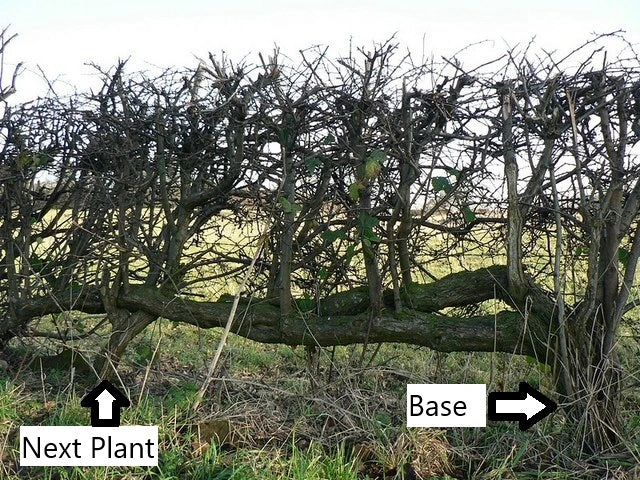 Hedge Plants
Hedgelaying Services & Grants To hire a hedgelayer to work on your hedge, use the National Hedgelaying Society’s map. To find a…
Read more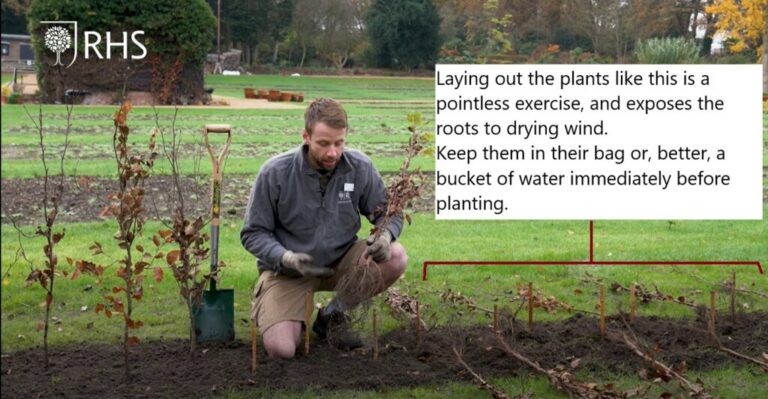 Hedge Plants
There is only one thing I love more than the RHS, and that is sitting with my old feet up, enjoying a…
Read more Hedge Plants
No, silver birch does not make a good clipped hedge plant. It will serve, but it’s a somewhat sad sightHowever, it is…
Read more Hedge Plants
Cut cut cut: that’s what it’s all about being a hedge owner. With a typical hedge plant such as Hawthorn, Beech, or…
Read more Hedge Plants
Elderflower, Sambucus nigra, inevitably finds its way into a country hedge sooner or later, and it's far from unheard of to add…
Read more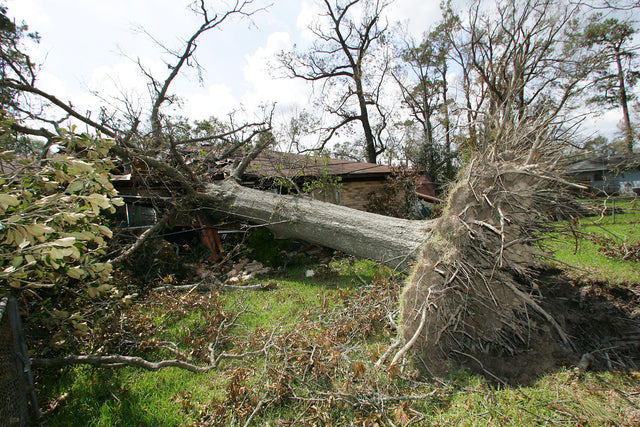 Hedge Plants
Pruning woody plants is a big part of a gardener's life, and winter is when a lot of it gets done -…
Read more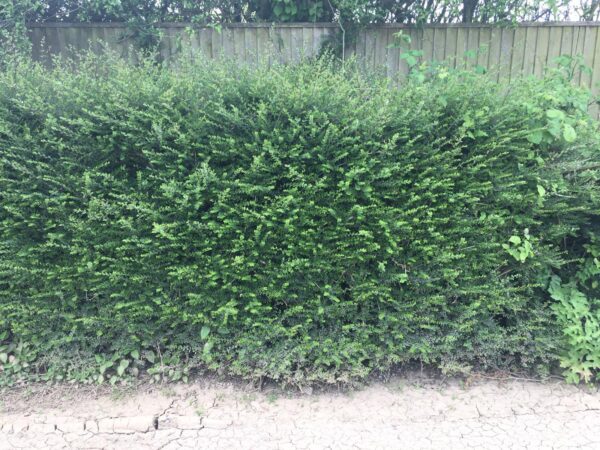 Hedge Plants
This Lonicera nitida hedge in a local Somerset car park is a prime example of how good this hedge plant looks despite…
Read more