
It’s the email (or rather, the panicked photo) we get every single year: a bundle of twigs, looking about as lively as a pile of kindling, with the subject line “IS THIS DEAD?!” Take a breath. Bareroot plants are the ugly ducklings of the plant world – all bare twig and no glamour – and that’s exactly why they cause more sleepless nights than any potted, leafy, reassuringly green plant ever does.
So if you’ve been out in the garden, prodded a stem, and thought “my plants look dead”, here is exactly what to do. No guesswork, no panic, just a clear plan – and the reassurance that a good number of “dead” bareroots turn out to be very much alive.
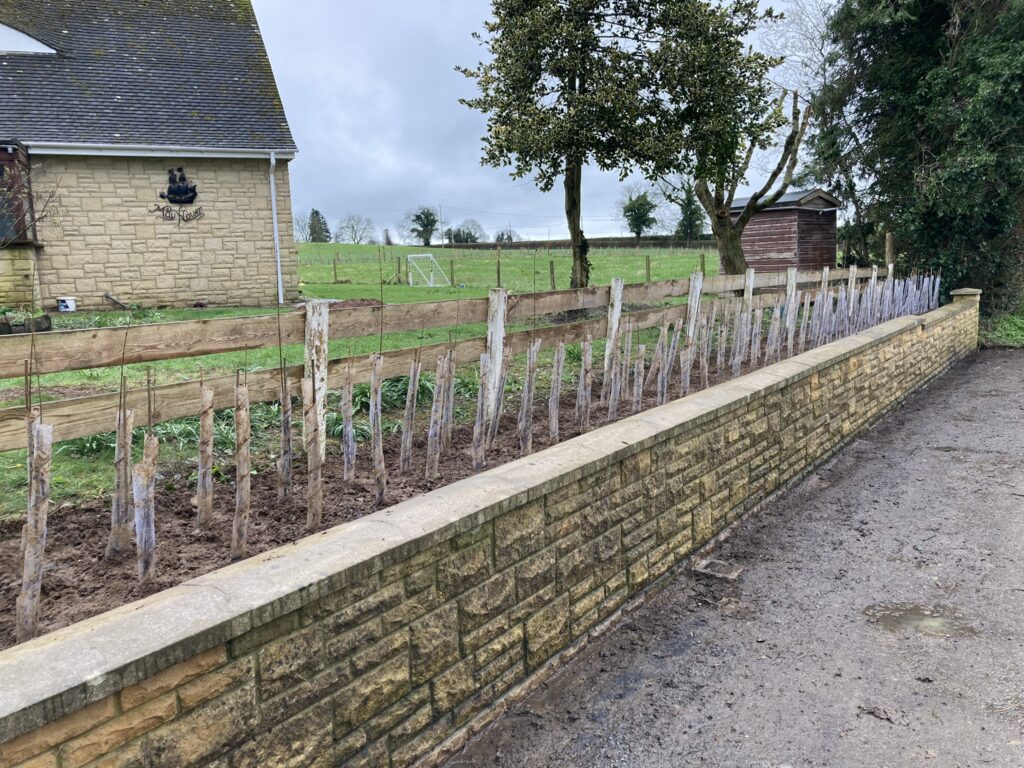
Step 1: Take a Photo and Keep a Record
The moment you spot a plant that’s making you nervous, stop and take a photo. Get a few angles – close up on the stems and buds, and a wider shot showing the plant in its spot in the garden. Note the date too.
This isn’t about catching your plant out. It’s simply the start of a paper trail that will make everyone’s life easier later on, particularly if you do end up needing to make a guarantee claim. Little and often is the way to go here: a quick snap every so often will build a much clearer picture than one photo taken in a fluster.
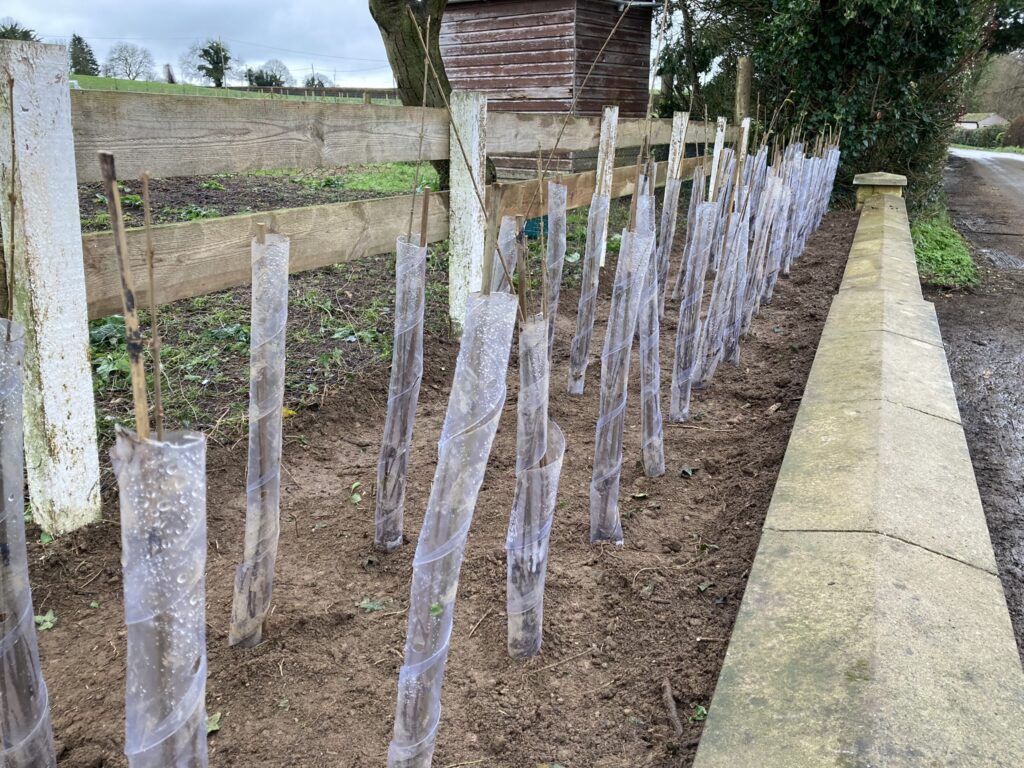
Step 2: Get On With the TLC
Now, rather than standing over it wringing your hands, put that energy into looking after the plant properly:
- Water it. Bareroot plants are settling in a brand new root system, and that’s thirsty work. Give it a good, deep watering at the base of the plant rather than a quick sprinkle.
- Feed it. A bit of Rootgrow or a balanced feed gives those new roots something to work with.
- Keep it weed-free. Weeds are bullies – they’ll happily steal the water and nutrients your new plant desperately needs, so keep the base clear.
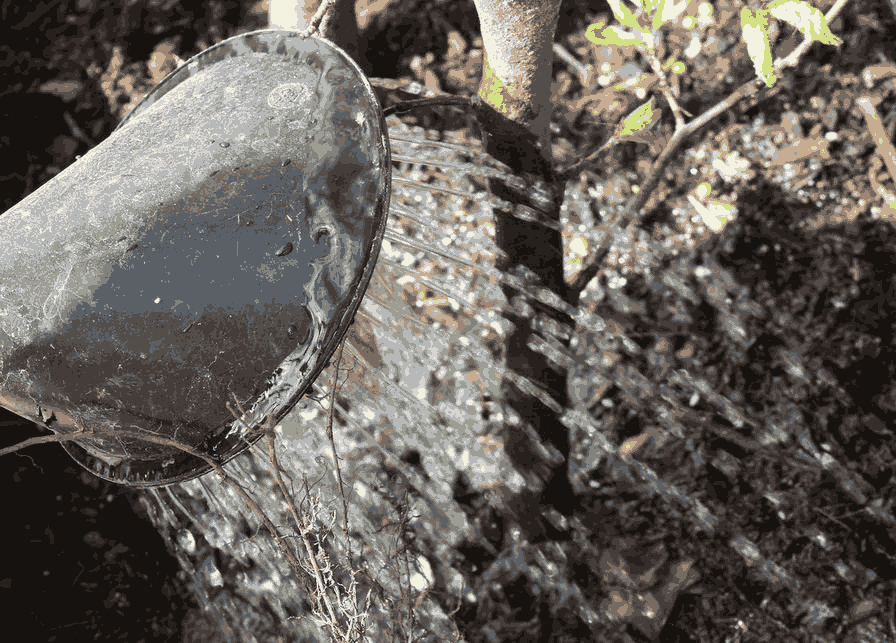
If we’re in the middle of a drought (and let’s be honest, this is Britain, so it’s either drought or downpour with nothing sensible in between), step up the watering. New plants in dry spells need considerably more attention than established ones, so don’t be shy with the watering can.
Step 3: Keep Going
This is the hard part – the waiting. Keep watering, keep feeding, keep weeding, and try to resist the urge to dig it up “just to check” (we’ve all been tempted, but disturbed roots rarely thank you for it). Bareroot plants can be remarkably slow to show signs of life, especially if they were planted late in the season or the weather has been unhelpful.
Step 4: After Three Weeks, Take Another Photo
Roughly three weeks after your first photo, take another one from the same angles. This gives you – and us, if it comes to it – a proper comparison to work from. Still looks like a bundle of twigs? Don’t panic yet. Some of our slower starters are the biggest late bloomers.
Step 5: Wait Until July, Then Send Us Everything
Here’s the bit that catches people out: even if a bareroot plant still looks resolutely stick-like in April or May, it’s simply too early to call it. Many varieties are late risers and need the warmth of early summer to properly wake up.
So, hold fire until the first week of July. At that point, if your plant genuinely still looks dead, gather up:
- All your photographs (the more angles and dates, the better)
- A description of the problem
- Your order number
…and send the lot over to us via our Contact Us form. Once we’ve had a look, we’ll let you know if the plant qualifies under our 12-month Bareroot Guarantee, and we’ll sort out a replacement if it does.
A Few Things Worth Knowing About the Guarantee
- The guarantee covers our bareroot plants delivered in autumn/winter – provided they’ve been planted properly, in a suitable spot, kept watered and weed-free, and treated with Rootgrow at planting time.
- It doesn’t stretch to short-lived bedding plants, bulbs, dahlia tubers, evergreens, instant hedging troughs, end-of-season sales, plug plants, or anything affected by a hosepipe ban.
- You’ll need to stay subscribed to our emails, since that’s how we send out the growing advice that helps you keep everything alive in the first place.
How Do I Feed Bareroot Plants, Exactly?
A quick word on feeding, since it’s one of the questions we’re asked most. Bareroot plants don’t need anything fancy in year one – a sprinkle of Rootgrow worked into the planting hole gets the roots off to a flying start, and a general-purpose feed through the growing season keeps things ticking along. Skip the rich, high-nitrogen feeds early on; you want strong roots before you want lush top growth.
The Bottom Line
Bareroot plants ask for a little faith. They arrive looking distinctly unpromising, take their own sweet time, and then – usually just when you’ve given up hope – burst into leaf as if nothing was ever wrong. Photograph, water, feed, weed, wait, and if July comes around and there’s still no sign of life, we’re here to help.




Leave a Reply