Low Maintenance Shrubs for Borders | Ashridge Trees
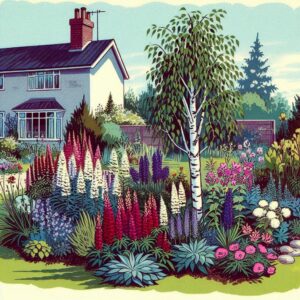
Discover the best low maintenance shrubs for UK borders — Ceanothus, Choisya, Euonymus, Hebe and Hydrangea — with variety tables, care tips and planting advice.
Read moreDiscover the best low maintenance shrubs for UK borders — Ceanothus, Choisya, Euonymus, Hebe and Hydrangea — with variety tables, care tips and planting advice.
Read moreDiscover the best low maintenance perennials for UK borders. Expert advice on agapanthus, heuchera, salvia, grasses and more from Ashridge Trees.
Read moreLearn how to grow shrubs in UK gardens: soil prep, planting steps, pruning timing, watering, feeding, and the best varieties for every site and season.
Read moreDiscover the best shrubs for shade in UK gardens. Expert advice on Euonymus, Choisya, Hydrangea, Elder & more — with variety comparisons and planting tips.
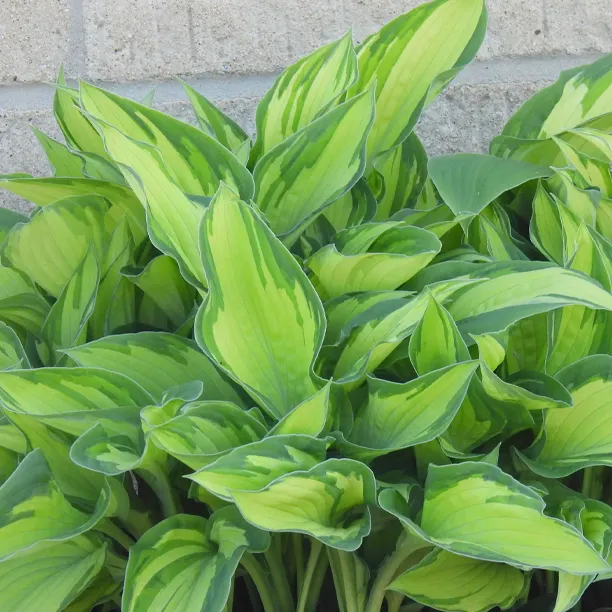
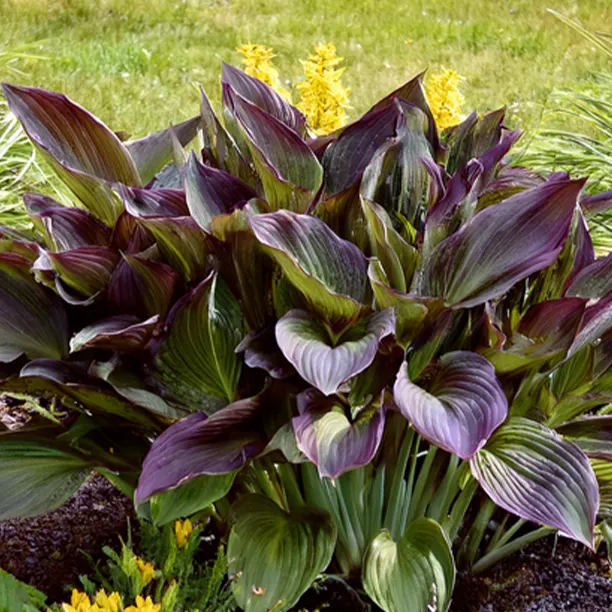
Read moreDiscover the best perennials for shade — from hostas and heucheras to dry-shade survivors. Expert UK planting advice and variety recommendations from Ashridge Trees.
Read moreLearn how to grow perennials in the UK: soil prep, planting, feeding, dividing, and the best varieties for sun, shade, and pots. Expert advice from Ashridge Trees.
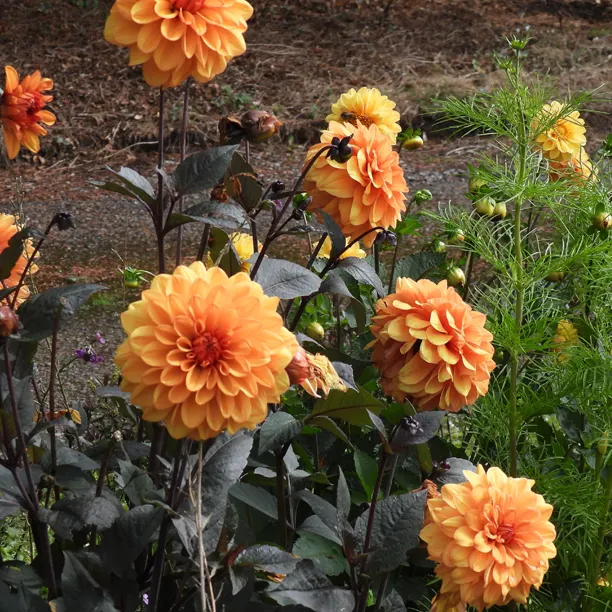
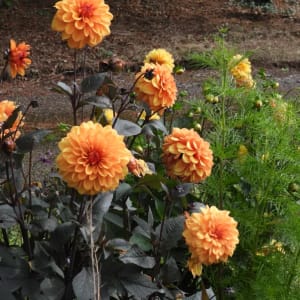
Read moreDiscover the best companion plants for dahlias — annuals, perennials, grasses and foliage plants — with colour-themed ideas and specific variety recommendations from Ashridge Trees.
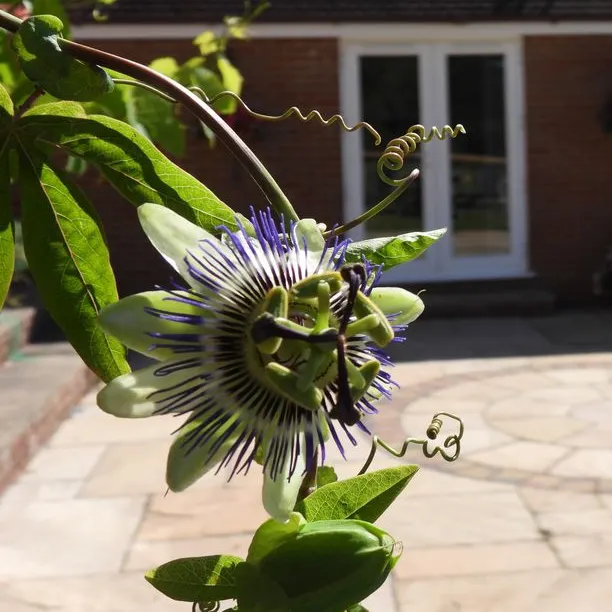
Read moreLearn how to grow passion flower in the UK — hardy varieties, winter care, fruiting, pruning and planting tips from Ashridge Trees. Expert advice for all regions.
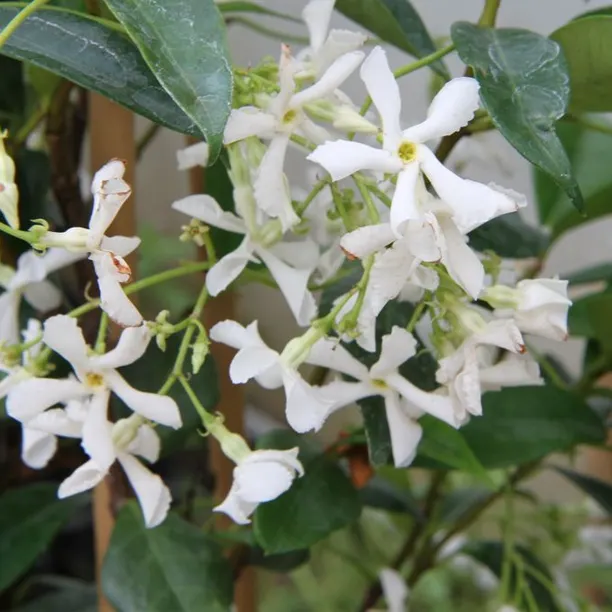
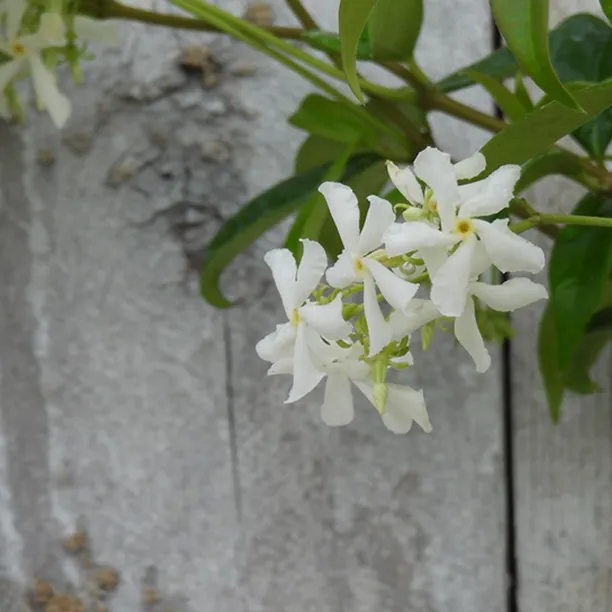
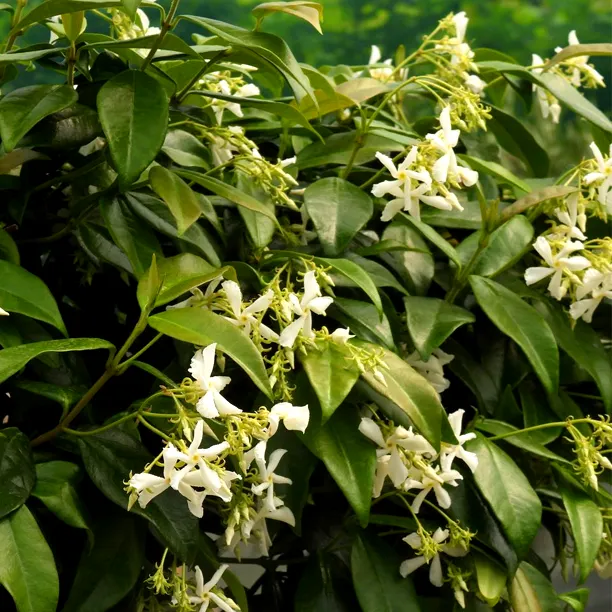
Read moreHow to grow jasmine in the UK: compare common jasmine, star jasmine (Trachelospermum jasminoides) and winter jasmine — planting, pruning, feeding and training explained.
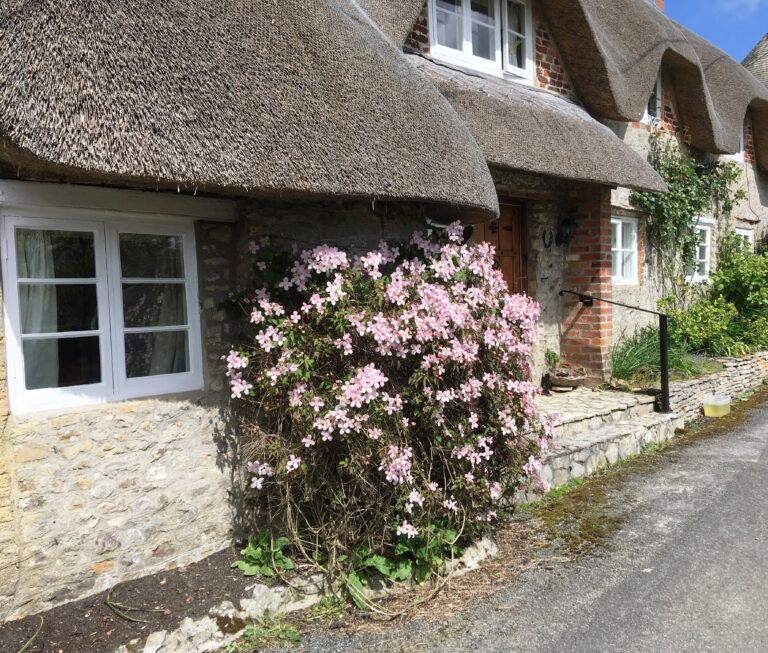
Read moreDiscover the fastest growing climbing plants for UK gardens — Clematis montana, Russian vine, golden hop, akebia and vigorous honeysuckle compared with honest advice.
Read moreFind the best lavender for hedging, pots, cooking, scent, bees or colour. Expert variety-by-variety guide from Ashridge Trees, with honest UK growing advice.
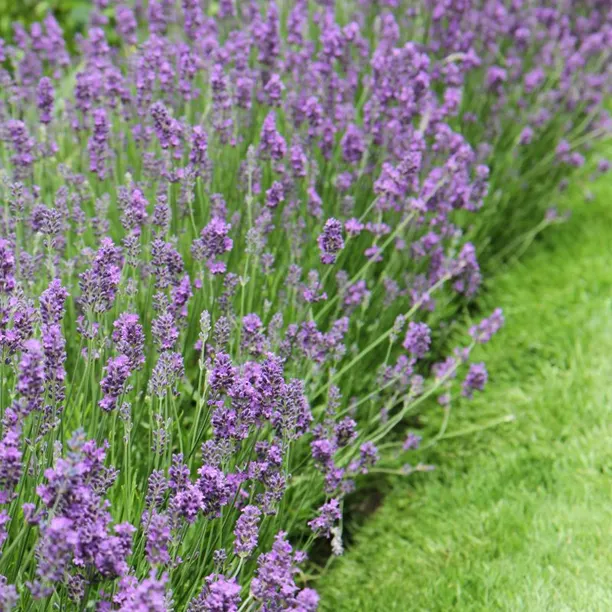
Read moreLearn how to plant a lavender hedge: correct spacing (40–45 cm), best varieties for formal and informal lines, and expert tips for a solid hedge in year one.
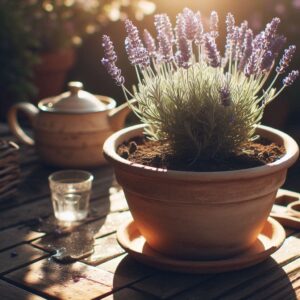
Read moreGrow lavender in pots successfully with the right varieties, the Downderry compost recipe, and expert watering and pruning advice from Ashridge Trees.
Read moreDiscover the best hardy perennials for UK gardens — agapanthus, heucheras, hostas, salvia and more. Expert advice on varieties, planting, and care from Ashridge Trees.

Read moreDiscover the best ground cover perennials for UK gardens — from hostas in shade to agapanthus in sun. Expert advice on planting, spacing, and variety selection.
Read moreDiscover the best evergreen shrubs for UK gardens — from hardy Euonymus to fragrant Choisya and vivid Ceanothus. Expert advice on varieties, planting & care.
Read moreDiscover the best dahlias to grow in UK gardens. Expert variety recommendations by type, colour and use, with comparison tables and named tubers from Ashridge Trees.
Read moreDiscover the best climbing plants for every situation — sunny walls, shady fences, scent, speed and year-round cover. Expert UK advice from Ashridge Trees.
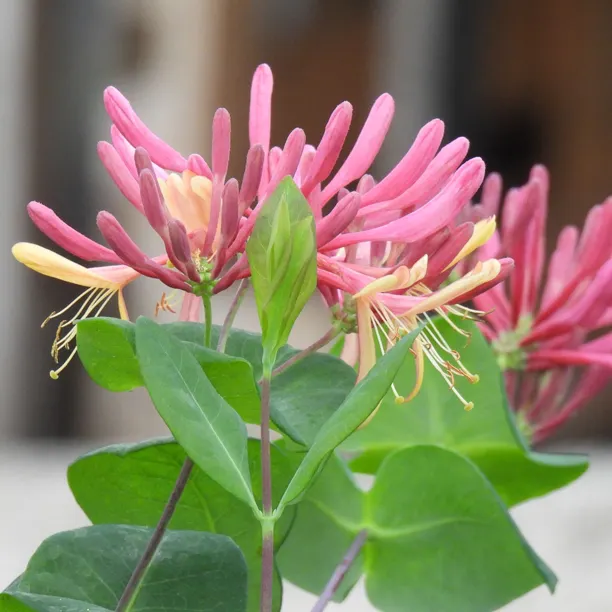
Read moreLearn how to grow honeysuckle successfully in UK gardens. Expert advice on planting, training, pruning and choosing the most fragrant varieties for your space.
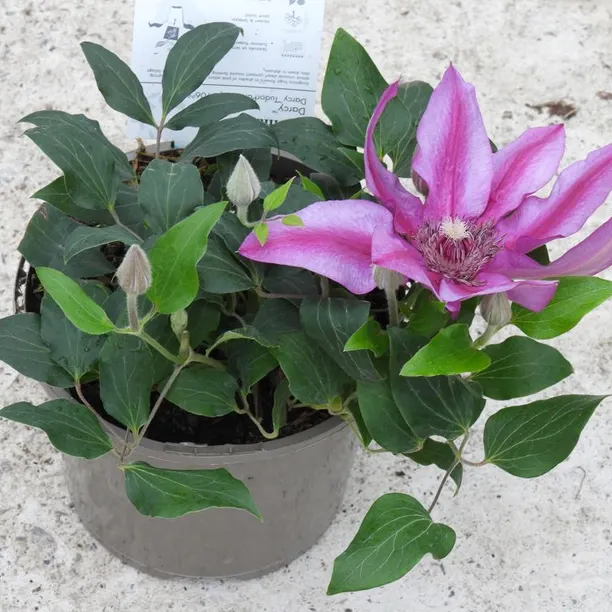
Read moreExpert guide on how to grow clematis successfully. Learn correct planting depth, soil preparation, watering, feeding and first-year care for healthy climbing plants.
Read moreExpert guide to evergreen climbers including Clematis armandii, star jasmine, ivy and honeysuckle. Year-round screening solutions for walls and fences.
Read moreChelsea Flower Show 2026 has opened its gates and the early reports are gloriously colourful – roses, clematis, salvias and delphiniums in abundance. We take a look at the biggest plant trends, the Plant of the Year winner, and how to bring a little Chelsea magic into your own garden.
Read moreNot sure which clematis to grow? We compare nearly 100 varieties. By situation, north-facing, pots, growing up roses, winter interest , colour, sise & scent. Written by someone who has grown clematis all his life.
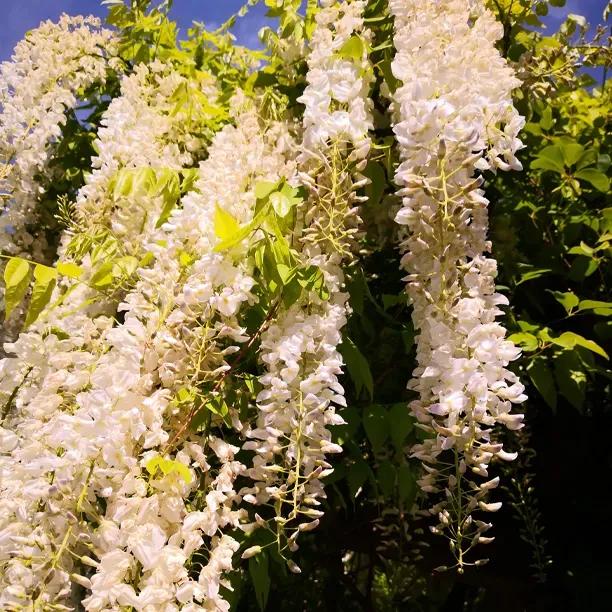
Read moreA complete guide to growing wisteria, covering the three main species in the Ashridge range, why grafted plants matter, wall training, pruning, feeding for flowers, and the most common reasons wisteria fails to bloom.
Read moreClematis Wilt: What It Is & What to Do Clematis wilt is dramatic — a healthy plant can collapse and blacken within days. But it's less common than most gardeners fear, and most plants recover if you act quickly and planted them deep enough. This guide explains how to tell true wilt from drought, slug damage, and other causes; which varieties are resistant; and the six things you can do to reduce the risk.
Read moreMost clematis are deciduous, bare through winter and in flower for a few weeks in spring or summer. But three groups stay…
Read moreWhen and How to Prune Clematis: All Three Pruning Groups Explained Every clematis belongs to one of three pruning groups; unsurprisingly numbered…
Read moreLavender has an undeserved reputation for being disease-free — but it isn't, and one problem in particular kills far more plants than gardeners realise. While its aromatic oils do offer some natural protection, lavender can still fall victim to Alfalfa Mosaic Virus, Shab dieback disease, sap-sucking froghoppers and capsids, and — the real culprit behind most losses — root rot from poor drainage. This guide explains how to spot each problem, which ones are usually harmless, and why getting the drainage right is the single most important thing standing between your lavender and an unexplained collapse after a wet winter.
Read morePhotinia Red Robin makes a really photogenic hedge plant, with blazing red young leaves that can be persuaded to reappear all summer…
Read moreLavender is best given a light trim in late February or early March, before it starts into growth. Done at the right…
Read moreJanuary-February is the ideal time to prune your Wisteria - have you?
Read moreOr: How to Record a Gardening Video Using a Potato I am sorry everyone, really. I genuinely didn't realise how bad the…
Read moreGrowing Dahlias in Pots: Everything You Need to Know Dahlias are brilliant in pots. A single tuber in a decent-sized container will…
Read moreThe other day we mentioned Cornwall’s Million Pound edible hedge project, and, we assume in response, the RHS updated their list of…
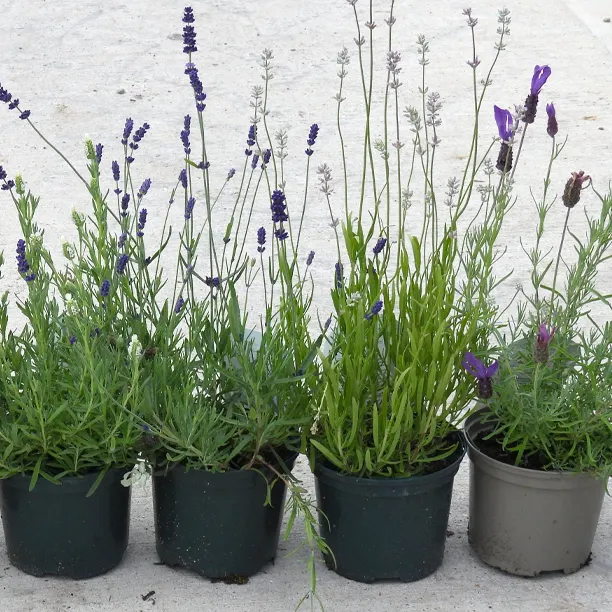
Read moreThere are three groups of lavender grown in UK gardens. English lavender (Lavandula angustifolia) is the hardiest, longest-lived, and best-scented — the right choice for most gardens, hedging, and cooking. Dutch lavender (Lavandula × intermedia) is larger, later-flowering, and has a more complex camphor scent prized for oils. French butterfly lavender (Lavandula stoechas) is the showiest but least hardy — best grown in a pot you can bring under cover in winter. Drainage and an annual hard prune in August are the two things that most determine how long any lavender lasts.
Read moreLavender is the most underpruned plant in the UK — and it's costing gardeners years of good growth. Most people give their lavender a nervous little trim with the kitchen scissors, terrified of cutting into brown wood. The result? A hedge that goes scrawny within a couple of years and needs replacing in four or five, when it should easily last fifteen to twenty. This guide breaks down the "three eights" rule, why English, Dutch, and French lavender all need pruning at completely different times of year, and how to tell the difference between wood that will regrow and wood that won't. Don't be afraid to cut hard — it's the single most important thing you can do for your lavender's longevity.
Read moreStart dahlias indoors in March–April for a 2–3 week head start, but it's often unnecessary — Ashridge's experts recommend direct planting in May for most UK gardeners, with blooms from July to November.
Read moreOverwintering Dahlias: How to Store Tubers and Protect Them Through Winter Dahlias are tender perennials. The tubers survive from year to year…
Read moreDahlia Tuber Eyes and Crowns: Understanding What You've Received You've just received your dahlia tuber from us. It looks like a wrinkly…
Read moreDigging up and dividing most summer-flowering herbaceous perennial plants is an excellent way to perk them up when they’re looking tired, giving…
Read moreThis video applies to all climbing honeysuckle varieties. Here, we are planting a 3 litre Lonicera, but it’s the same for any…
Read moreHow to Plant Clematis in Open Ground Clematis will grow well practically anywhere if you give them five things: soil preparation, correct…
Read moreShade Loving Climbers for North Facing WallsThe North Wall is tricky for growing plants up because it gets no direct sun. This…
Read moreMost people plant their Clematis vines a little deep, the British Clematis Society says: “Ensure that the surface of the root ball…
Read moreDespite the name, English lavender isn't actually English — so how did a Mediterranean plant become one of the most quintessentially British garden fixtures? Lavender arrived with the Romans over 1,500 years ago, spread through monastery gardens by the medieval period, and became a fixture of English kitchen gardens by the 17th century. This guide traces that journey — from Roman bathwater to the perfumed lavender fields of Norfolk and Surrey — and explains why "English lavender" refers not to where the plant is from, but to the variety bred and selected over centuries to thrive in Britain's cold, damp winters.
Read moreEnglish, Dutch, and French — three lavenders, three very different personalities, and choosing the wrong one for your garden is an easy mistake to make. English Lavender is the toughest and best-scented, happy as a hedge in almost any UK soil. Dutch Lavender (Lavandin) is bigger, bolder, and carries the camphor-edged scent found in soaps and candles. French Lavender is the showiest, with its distinctive "rabbit ears," but it hates wet feet and does best in a pot you can move under cover for winter. Drawing on twenty years of growing all three, this guide breaks down which lavender suits which spot in your garden — for hedging, pots, cooking, oil, or simply the best display — and clears up the real differences in hardiness, scent, and flowering season along the way.
Read moreHarvest lavender at the wrong moment and you'll lose either the scent or the shape — timing is everything, and it's different depending on what you're making. For oil, wait until first bloom starts to fade, when the flowers hold the most oil. For dried bunches, pick earlier, while half the buds are still closed, so the heads stay intact. And the "best" variety isn't one-size-fits-all: Grosso leads for oil, Hidcote is the standout for drying and moth-proof lavender bags, and Munstead is unbeatable in the kitchen. This guide covers exactly when and how to harvest for each purpose.
Read moreWater your lavender plants, just don't overdo it.
Read moreA shrub is a woody, freestanding plant that naturally has multiple main stems. Through pruning, many shrubs can be grown as a tree…
Read moreGutters, Pipes & Fittings are Always VulnerableMost climbing plants can damage, block, or push guttering, drainpipes and other external fittings off the…
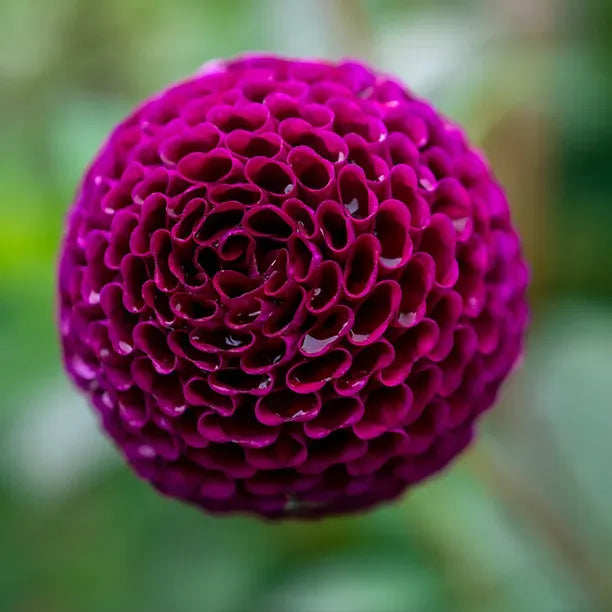
Read moreTypes of Dahlia Decorative, ball, cactus, pompon, waterlily, collarette, peony and more. Our guide explains every dahlia flower form with photos, Ashridge variety picks, and links to each collection. Useful whether you're choosing your first tuber or identifying one already in your garden.
Read moreThe Ashridge Guide to Growing Dahlias Dahlias are the most generous flowers in the summer garden — plant a single tuber in…
Read moreWhat are Perennial Plants? A perennial plantlives for three plus years. Trees and shrubs are woody perennials.In everyday garden use, perennial refers…
Read moreWhen is the Best Time to Plant Perennials UK? Mid-Spring and early Autumn are best. Summer is fine, especially in the shade.…
Read moreWorried about your lavender hedge around cats or dogs? You can stop worrying — the plant itself is one of the safest things growing in your garden. There's a real distinction between the lavender you grow outside and the concentrated essential oil sold in bottles, and the two get conflated far too often. This guide sets the record straight on what's actually safe, where the genuine caution around lavender oil comes from, and why, despite decades of keeping dogs of every temperament, not one has ever so much as nibbled at the lavender.
Read more