
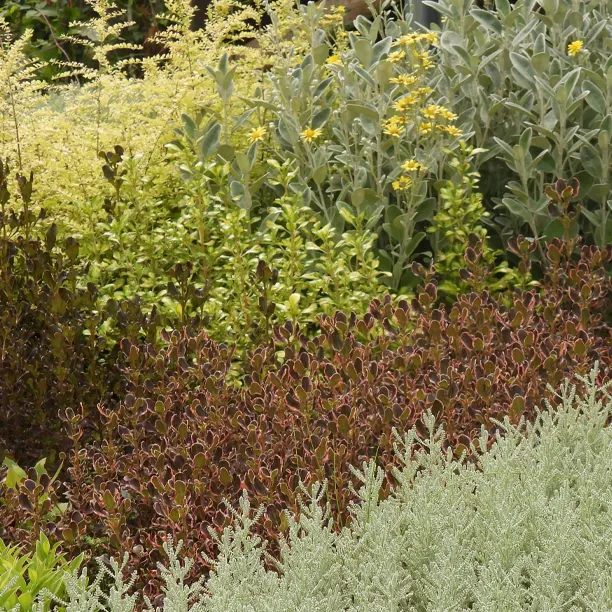
Which shrubs grow best in shade?
Many of the most reliable and beautiful garden shrubs thrive in partial or even full shade, making them ideal for north-facing borders, the dry ground beneath trees, or the shadow of a boundary wall. Choosing the right shrub for a shaded spot is less about compromise and more about playing to your garden’s strengths — the right plant will reward you with lush foliage, abundant flowers, and structure all year round.
Related guides
- Best Evergreen Shrubs for UK Gardens
- How to Grow Shrubs — Complete UK Guide
- Low Maintenance Shrubs for Borders
What types of shade do shrubs actually encounter?
Shade is not a single condition — it ranges from bright dappled light under a deciduous canopy to the deep, dry darkness at the base of an evergreen hedge. Understanding your shade type will save you from costly mistakes.
Before selecting any shrub, spend a day observing how light moves across your border. Even a border that appears dark at midday may receive two or three hours of morning sun, which dramatically widens your planting options.
| Shade Type | Description | Typical Location | Shrub Suitability |
|---|---|---|---|
| Dappled / light shade | Shifting patterns of sun and shadow throughout the day | Under deciduous trees, open woodland edge | Widest choice; most shrubs tolerate this well |
| Partial shade | 2–4 hours of direct sun, shade for the remainder | East- or west-facing borders, beside buildings | Excellent; many flowering shrubs thrive here |
| Full shade | Fewer than 2 hours of direct sun per day | North-facing walls, dense evergreen canopy | More limited but still possible; foliage plants excel |
| Dry shade | Full or partial shade combined with low soil moisture | Under large conifers, beside house walls | Most challenging; needs drought-tolerant shade lovers |
Is Euonymus a good shrub for shaded borders?
Yes — Euonymus fortunei and Euonymus japonicus varieties are among the most dependable shrubs for shade in the UK, tolerating everything from dappled light to fairly deep shade whilst retaining their colourful evergreen foliage year-round.
Euonymus is particularly valuable in shaded spots because its variegated leaves — often splashed with gold, cream, or silver — bounce light back into a dark corner where plain green foliage would simply disappear. The fortunei types are lower and more spreading, useful as ground cover or for training up a shaded wall, while the japonicus types form upright, dense bushes ideal for structure and screening.
| Variety | Foliage | Habit & Height | Best For |
|---|---|---|---|
| Emerald Gaiety | Dark green edged bright white | Spreading, 60–90 cm | Ground cover, wall training, edging |
| Emerald ‘n’ Gold | Green with bright gold margins, pink winter tint | Mounding, 60 cm | Low borders, containers, underplanting |
| Bravo | Glossy dark green with cream margins | Upright, to 1.5 m | Screening, formal hedging in shade |
| Ovatus Aureus | Bold yellow centre fading to green | Upright, to 1.2 m | Specimen planting, bright focal point |
| Paloma Blanca | White-margined, very bright | Compact upright, to 1 m | Small shaded borders, containers |
| Jean Hugues | Glossy mid-green, neat and dense | Compact upright, to 1.2 m | Low-maintenance evergreen structure |
Browse the full Euonymus collection to compare all available varieties.
Will Mexican Orange Blossom flower in shade?
Choisya (Mexican Orange Blossom) flowers most prolifically in sun but performs admirably in partial shade, producing scented white blooms in late spring and often again in early autumn, with its glossy evergreen foliage looking handsome throughout the year.
In a partially shaded spot — receiving two to four hours of sun daily — Choisya will still flower well, though perhaps slightly less abundantly than in full sun. Its aromatic leaves and compact habit make it one of the most versatile evergreen shrubs available to UK gardeners. It dislikes waterlogged soil in shade, so ensure good drainage before planting.
- Choisya ternata — the classic species; large, vigorous, white-flowered and strongly scented.
- Sundance — golden-yellow foliage that lights up a shaded corner brilliantly; slightly more sun-tolerant for best colour, but grows happily in partial shade.
- White Dazzler — finer-cut, more delicate foliage; a compact choice for smaller shaded borders.
Are Hydrangeas suitable for shaded gardens?
Hydrangeas are one of the very best shrubs for partial shade, thriving in the dappled light beneath deciduous trees or on east-facing walls where they receive morning sun but are sheltered from the drying afternoon heat that can scorch their large blooms.
In fact, a lightly shaded position often suits Hydrangeas better than full sun in many parts of the UK, particularly on free-draining soils. The flowers last longer out of intense afternoon sun, and the plants are less likely to suffer drought stress. Hydrangea macrophylla (mopheads and lacecaps) and Hydrangea quercifolia (oak-leaved hydrangea) both perform reliably in partial shade. Browse the full Hydrangea range to find the right form and flower colour for your border.
Practical tip: Hydrangeas in shade will still need moisture, especially in their first two seasons. Apply a generous mulch of composted bark around the root zone each spring to conserve soil moisture and suppress weeds.
Can Ceanothus cope with some shade?
Ceanothus is primarily a sun-lover and will flower most freely on a warm, sheltered site — but certain varieties tolerate light or dappled shade reasonably well, making them worth considering for partially shaded walls or borders that receive several hours of sunlight each day.
The creeping, ground-hugging forms tend to be more adaptable than the tall wall-shrub types. In light shade, flowering may be reduced but the plants will remain healthy. Avoid planting any Ceanothus in full, dense shade or in cold, wet ground, as these conditions lead to poor performance and potential root rot.
| Variety | Shade Tolerance | Flower Colour | Notes |
|---|---|---|---|
| Yankee Point | Light / dappled shade | Bright mid-blue | Low spreading; good under light tree canopy |
| Creeping Blue Blossom | Light shade | Soft blue | Ground-covering; useful on shaded banks |
| Autumnal Blue | Partial shade (wall) | Sky blue, repeat-flowering | One of the hardiest; suits a lightly shaded wall |
| Skylark | Light shade only | Deep blue | Compact upright; needs at least 3 hours of sun |
See the complete Ceanothus collection for all available varieties.
Does Elderflower grow well in shaded gardens?
Yes — Elder (Sambucus) is one of the most naturally shade-tolerant shrubs native to the British Isles, growing vigorously in woodland edges, hedgerows, and north-facing sites where little else thrives. The ornamental varieties grown for their striking purple or golden foliage perform well in partial shade, though their leaf colour is usually richest with some direct sunlight.
Ornamental elders are fast-growing and can be coppiced hard each spring to produce exceptionally large, richly coloured leaves — a technique that also keeps them manageable in smaller gardens. They are unfussy about soil type and tolerate heavy clay, making them excellent for the difficult shaded spots where drainage is less than ideal. Explore the Elderflower range for available varieties.
Are Hebes good shrubs for shaded spots?
Hebes are primarily sun-lovers that tolerate coastal exposure and free-draining soils, but the larger-leaved varieties — which are generally less cold-hardy — can manage in a partially shaded, sheltered position provided the soil does not become waterlogged.
Small-leaved whipcord types are the hardiest but the least shade-tolerant. If your partially shaded border is sheltered from hard frosts and has reasonable drainage, a robust broad-leaved Hebe can provide year-round evergreen structure alongside spikes of purple or white flowers in summer and early autumn. Hebes are not recommended for full shade, north-facing walls without reflected warmth, or very cold inland gardens.
What ground-cover shrubs work in shaded areas?
Several low, spreading shrubs make excellent ground cover beneath trees or along the front of shaded borders, suppressing weeds and requiring minimal maintenance once established.
- Euonymus fortunei varieties — Emerald Gaiety and Emerald ‘n’ Gold spread slowly but reliably beneath trees, rooting as they go and brightening the ground with variegated foliage.
- Creeping Ceanothus — Yankee Point and Creeping Blue Blossom work well on lightly shaded banks where they can cascade over slopes.
- Hydrangeas used as low ground cover — some compact mophead varieties can be allowed to spread naturally in a shaded bed, particularly in moist soils.
Browse the Ground Cover Plants collection for further options beyond shrubs, including perennial and herbaceous ground covers that complement shaded shrub planting.
How should you plant and care for shrubs in shade?
The key to success with shrubs in shade is addressing soil quality and moisture before planting, as shaded spots are often drier than they appear — particularly under the canopy of trees or beside house walls where rain rarely penetrates freely.
| Task | Why It Matters in Shade | Practical Advice |
|---|---|---|
| Soil preparation | Compacted, dry soil common in shade limits root growth | Dig in plenty of well-rotted organic matter before planting |
| Watering in | Shaded soil under trees can be surprisingly dry | Water thoroughly at planting and weekly for the first season |
| Mulching | Retains moisture and improves soil structure | Apply 7–10 cm of composted bark each spring, away from stems |
| Feeding | Competing tree roots extract nutrients quickly | Apply a balanced slow-release fertiliser each spring |
| Pruning | Good air circulation reduces disease risk in damp shade | Remove dead, diseased, or crossing stems annually |
| Variety selection | Wrong plant in wrong shade type leads to failure | Match shade tolerance to observed light levels before buying |
One often-overlooked consideration is reflected light. A north-facing border bounded by a pale-painted wall will receive significantly more ambient light than the same aspect beside a dark fence or dense evergreen hedge. Use this to your advantage when choosing between more or less shade-tolerant varieties.
Which shrubs suit which shade conditions — quick reference?
Use this summary table to match your shaded spot to the most suitable shrubs at a glance, then explore the product links for full details on each variety.
| Shrub | Dappled Shade | Partial Shade | Full Shade | Dry Shade | Evergreen? |
|---|---|---|---|---|---|
| Euonymus fortunei | ✔ | ✔ | ✔ | ✔ | Yes |
| Euonymus japonicus | ✔ | ✔ | Partial | ✔ | Yes |
| Choisya | ✔ | ✔ | ✘ | Partial | Yes |
| Hydrangea | ✔ | ✔ | Partial | ✘ | No (deciduous) |
| Sambucus (Elder) | ✔ | ✔ | ✔ | ✔ | No (deciduous) |
| Ceanothus | Partial | Light only | ✘ | ✘ | Most are yes |
| Hebe | Partial | Partial | ✘ | ✘ | Yes |
For further evergreen options across a wider range of growing conditions, browse the Ornamental Evergreen Bushes and Shop All Garden Shrubs collections.
Frequently Asked Questions
What is the best shrub for a north-facing border?
Euonymus fortunei varieties and ornamental Elder (Sambucus) are outstanding choices for north-facing borders, tolerating deep shade and remaining attractive throughout the year with minimal care.
Can I grow Hydrangeas in full shade?
Hydrangeas prefer partial shade and struggle in full shade — they need at least two to three hours of light to flower. In very deep shade, foliage will be sparse and flowering negligible. Browse the Hydrangea collection for suitable varieties.
Which shrubs cope with dry shade under trees?
Euonymus (especially Emerald Gaiety) and ornamental Sambucus are among the most reliable shrubs for dry shade beneath deciduous trees, tolerating root competition and low moisture once established.
Does Choisya flower in a shaded spot?
Choisya ternata will flower in partial shade, though usually less freely than in full sun. It remains handsome as an evergreen foliage plant even in years when flowering is reduced.
Is Ceanothus suitable for a shaded garden?
Most Ceanothus varieties need plenty of sun to flower well. The creeping forms tolerate light dappled shade, but Ceanothus should never be planted in full or deep shade.
Which evergreen shrubs provide colour in a shaded border?
Variegated Euonymus varieties — particularly Emerald ‘n’ Gold and Ovatus Aureus — provide brilliant gold and white foliage colour throughout the year in shaded conditions.
How large a shrub should I plant in shade?
Shrubs in shade often grow more slowly than those in sun. Starting with a pot-grown plant of 30–60 cm gives the best establishment results — smaller plants adapt more readily than large specimens transplanted into dim, competitive conditions.
Do shade shrubs need special feeding?
Yes. Shaded borders — especially those under tree canopies — are nutrient-competitive. Apply a balanced slow-release granular fertiliser each spring and replenish mulch annually to maintain soil health and steady growth.
Can I use Hebe as ground cover in shade?
Hebe is not ideal for shaded ground cover — it prefers open, sunny positions with excellent drainage. For shaded ground cover, Euonymus fortunei varieties are a far more reliable choice. See our Ground Cover Plants collection for more options.
When is the best time to plant shrubs in a shaded border?
Autumn is the ideal time to plant shrubs in shaded positions — soils are still warm for root establishment, rainfall is more reliable, and the plants are not under the stress of summer heat or drought. Spring planting is also successful if watered carefully.
Will golden-leaved shrubs keep their colour in shade?
Golden foliage often fades to lime-green in shade. Sundance Choisya and Emerald ‘n’ Gold Euonymus both retain reasonably bright foliage in partial shade, though colours are richest with some direct sun.
What is the easiest shrub to grow in shade for a beginner?
Euonymus fortunei ‘Emerald Gaiety’ is almost certainly the easiest — it is tough, attractive year-round, low-maintenance, tolerates a wide range of soils and shade levels, and establishes reliably with minimal aftercare.
Related Products
- Euonymus — Spindle Plants
- Mexican Orange Blossom (Choisya)
- Hydrangea Plants
- Elderflower Plants (Sambucus)
- Hebe Plants
- Ceanothus — California Lilac
- Ornamental Evergreen Bushes
- Ground Cover Plants
- Shop All Garden Shrubs
Leave a Reply