✓ 1 Year Bareroot Plant Guarantee ✉ Mail Order Plants to Your Door Year Round ★★★★★ 5 Star Service Rating
Garden Plants
October 16, 2025 · Julian de Bosdari

Lavender Diseases and Pests — Common Problems and How to Treat Them

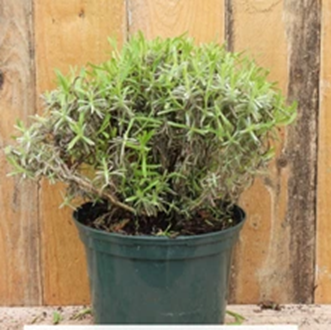
Lavender has an undeserved reputation for being disease-free — but it isn't, and one problem in particular kills far more plants than gardeners realise. While its aromatic oils do offer some natural protection, lavender can still fall victim to Alfalfa Mosaic Virus, Shab dieback disease, sap-sucking froghoppers and capsids, and — the real culprit behind most losses — root rot from poor drainage. This guide explains how to spot each problem, which ones are usually harmless, and why getting the drainage right is the single most important thing standing between your lavender and an unexplained collapse after a wet winter.

Read more
Gardening
October 16, 2025 · Julian de Bosdari

Soft Edges in Urban Garden Design

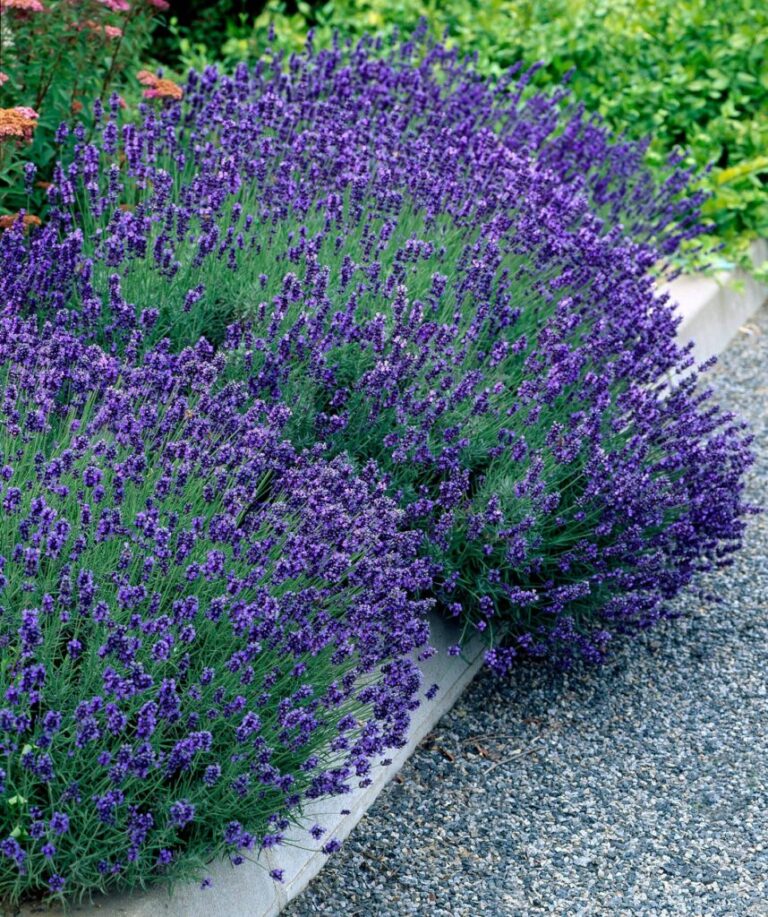
Modern buildings and roads tend to create stark boundaries: all structure with no life Well-thought-out planting will soften these hard lines and…

Read more
Garden Plants
October 16, 2025 · Julian de Bosdari

How to Grow Lavender

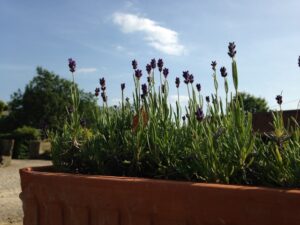
There are three groups of lavender grown in UK gardens. English lavender (Lavandula angustifolia) is the hardiest, longest-lived, and best-scented — the right choice for most gardens, hedging, and cooking. Dutch lavender (Lavandula × intermedia) is larger, later-flowering, and has a more complex camphor scent prized for oils. French butterfly lavender (Lavandula stoechas) is the showiest but least hardy — best grown in a pot you can bring under cover in winter. Drainage and an annual hard prune in August are the two things that most determine how long any lavender lasts.

Read more
Garden Plants
October 16, 2025 · Julian de Bosdari

How to Prune Lavender

Lavender is the most underpruned plant in the UK — and it's costing gardeners years of good growth. Most people give their lavender a nervous little trim with the kitchen scissors, terrified of cutting into brown wood. The result? A hedge that goes scrawny within a couple of years and needs replacing in four or five, when it should easily last fifteen to twenty. This guide breaks down the "three eights" rule, why English, Dutch, and French lavender all need pruning at completely different times of year, and how to tell the difference between wood that will regrow and wood that won't. Don't be afraid to cut hard — it's the single most important thing you can do for your lavender's longevity.

Read more