

Sold as:

from £6.99

Sold as:
from £19.99
 5 Star Service Rating




 Secure, One-Tap Checkout
 5 Star Feefo Rating
 Hand Picked, Delivered to Your Door!
 1 Year Bareroot Guarantee
 Platinum Trusted Service Award 2026
 Mail Order Plant Experts - Est. 1949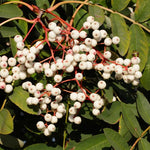
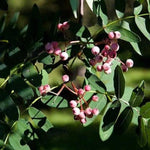

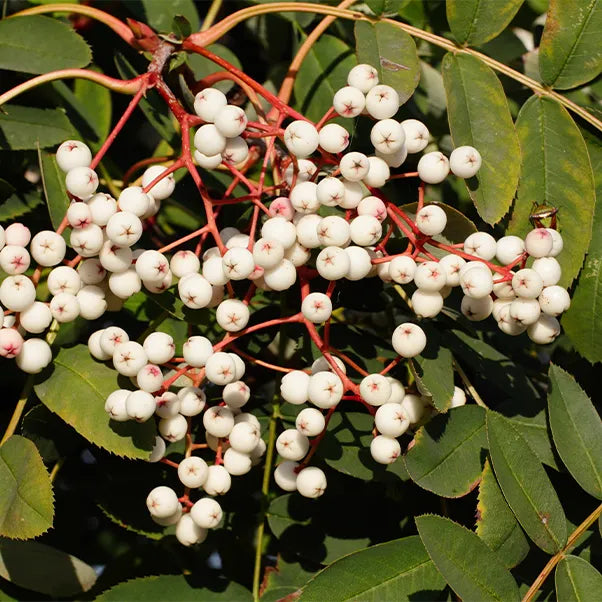
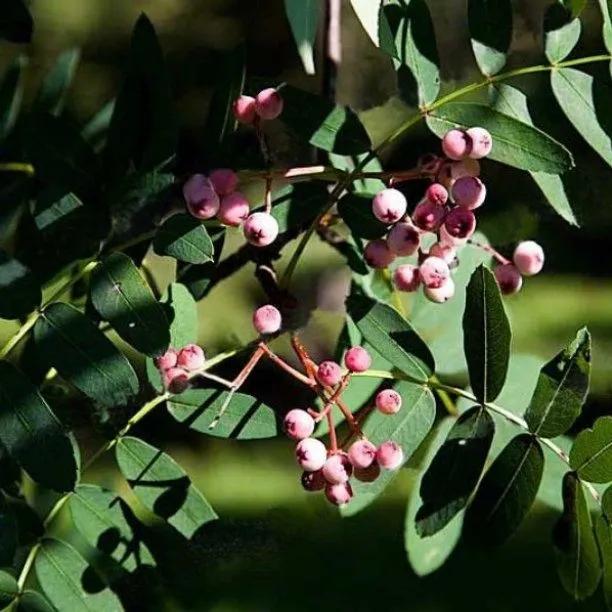




Sorbus hupehensis is a Chinese variety of Rowan or Mountain Ash with excellent autumn colour and distinctive white berries when ripe, touched with faint pink.
It can also easily be distinguished from native Rowans by the leaves, which have the typical pinnate form, but each opposing leaflet is oval, rather than pointed, has small serrations on the end and is deep green with a slightly blue tone.
Abundant corymbs of simple, small white flowers appear in June, standing out brilliantly from the background of dark leaves.
Its big moment of glory comes in autumn, when the leaves drop their sombre disguise and burst into lucid red flames. By that time, the pink young berries have matured to mostly white, washed with a dash of pale pink, held on red stalks. The fruit only becomes tasty to birds after they have been chilled a few times by frost, which means that they'll stick around long after all the leaves have fallen: the bare tree, hung with delicate bunches of slightly rosy pearls is a beautiful and exotic sight.
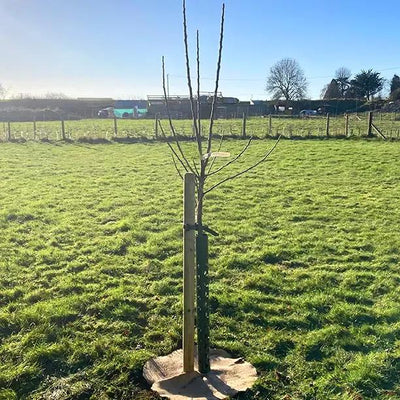
Although Chinese Rowan is very vigorous, it has an upright, nearly column-shaped canopy.
It can reach a height of about 6-10 metres. One specimen in the wild was recorded at 15 metres, but this was probably both very old and forced to grow tall and straight in the forest.
Browse our other Rowan trees, Whitebeam & Wild Service trees.
Delivery season: Rowan trees are delivered bareroot during late autumn and winter, approximately November-March inclusive.
Choosing a size: Small trees are cheaper, easier to handle and more forgiving of less than ideal aftercare, so they're best for a big planting project. If instant impact is your priority, or if you are only buying a few plants for use in a place where it's convenient to water them well in their first year, then you may as well use bigger ones. All our bareroot trees are measured by their height in centimetres above the ground (the roots aren't measured).
A very hardy and wind resistant tree that can grow almost anywhere with a decent amount of sun and drainage. It produces better Autumn colour on acidic soils, and won't really thrive on shallow chalk.






 Sign In
 Saved items