
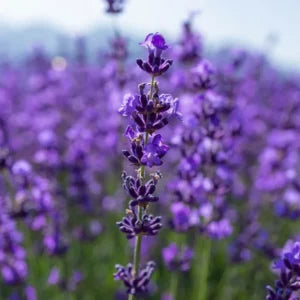
No, Lavender is not native to the UK. It is a Mediterranean plant, originating from the coastal regions of southern Europe, north Africa, and south-west Asia. The Romans introduced it to Britain over 1,500 years ago, using the flowers to scent bathwater and pack into bandages for their antibacterial properties. The Latin word lavare — to wash — is the root of the English name.
By the medieval period, lavender was established in monastery gardens across Britain for medicinal and culinary use. By the 17th century, it was widely grown in English kitchen gardens. The lavender fields of Norfolk and the Surrey Hills became famous in the 18th and 19th centuries, when demand from the London perfume trade drove commercial cultivation. That is the origin of the term “English lavender” — it refers to the Lavandula angustifolia varieties that thrived in English conditions, not to any plant that is botanically native here.
Related guides
- Harvesting Lavender Flowers
- How to Cut Back Lavender Plants in Late Summer
- How to grow lavender — planting, feeding, soil and year-round care
- How to Water Lavender — When, How Often, and How Much
- Is Lavender Safe for Cats and Dogs?
How Did English Lavender Get Its Name?
The variety we call “English lavender” (Lavandula angustifolia) is so well adapted to the British climate — particularly to the cold, damp winters — that it now outperforms its Mediterranean relatives in most UK gardens. That is why it is the recommended choice for UK planting: not because it is native, but because it has been bred and selected over centuries to thrive here.
The main lavender-growing regions in southern England (Norfolk, Surrey, the Cotswolds) developed in the 18th and 19th centuries to supply the London perfume and essential oil trade. Mitcham in Surrey was particularly famous — “Mitcham lavender” was a recognised variety and a regional industry. That industry declined in the late 19th century as cheaper imports arrived, but the association between lavender and the English countryside endured.
Today, lavender is one of the most widely grown garden plants in the UK. The three groups grown here — English (Lavandula angustifolia), Dutch Lavandin (Lavandula × intermedia), and French butterfly (Lavandula stoechas) — all originate from the Mediterranean basin, but each has different hardiness and different requirements. English lavender is the most cold-tolerant and the longest-lived in British conditions.
Related Lavender Guides
- How to Grow Lavender — planting, soil, watering, and general care from the ground up.
- How and When to Prune Lavender — the annual hard prune, the spring tidy-up, and what to do with an overgrown woody plant.
- Types of Lavender: English, French and Dutch Explained — the real differences between the three groups, from hardiness and scent to the best use for each.
- The Lavender 8:8:8 Watering Rule — how often to water lavender in the ground and in pots.


Leave a Reply