Delivery & Shipping Information
We take great care in delivering healthy trees to your doorstep. Each order is hand-picked, carefully packaged, and shipped using trusted couriers to ensure safe arrival.
Packaging
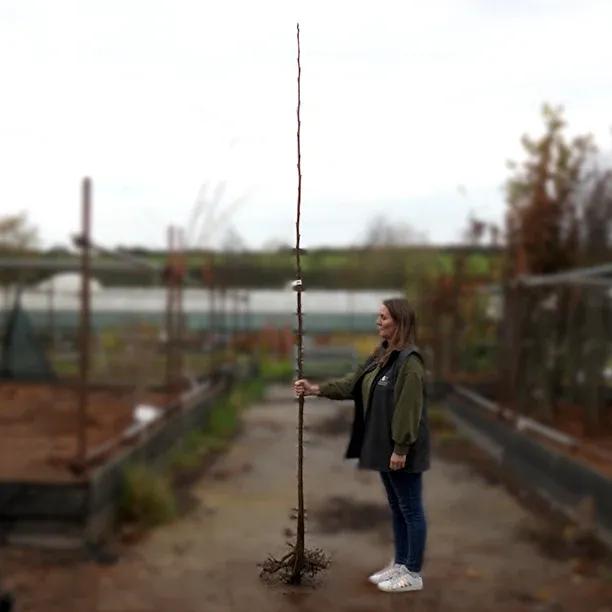
All trees are shipped in eco-friendly recyclable packaging. Roots are securely wrapped to retain moisture during transit, keeping your tree healthy and ready for planting.
Delivery Areas
We currently deliver across the UK mainland. Unfortunately, we cannot deliver to Northern Ireland, the Isle of Man, or the Channel Islands due to plant health regulations.
Order Tracking
Once your order has been dispatched, you will receive a tracking link by email so you can follow your tree’s journey from our nursery to your garden.
Special Notes
If you require delivery on a specific date (e.g., birthday gift, landscaping project), please add a note at checkout and we’ll do our best to accommodate.






 5 Star Service Rating




 Secure, One-Tap Checkout
 5 Star Feefo Rating
 Hand Picked, Delivered to Your Door!
 1 Year Bareroot Guarantee
 Platinum Trusted Service Award 2026
 Mail Order Plant Experts - Est. 1949















 Sign In
 Saved items